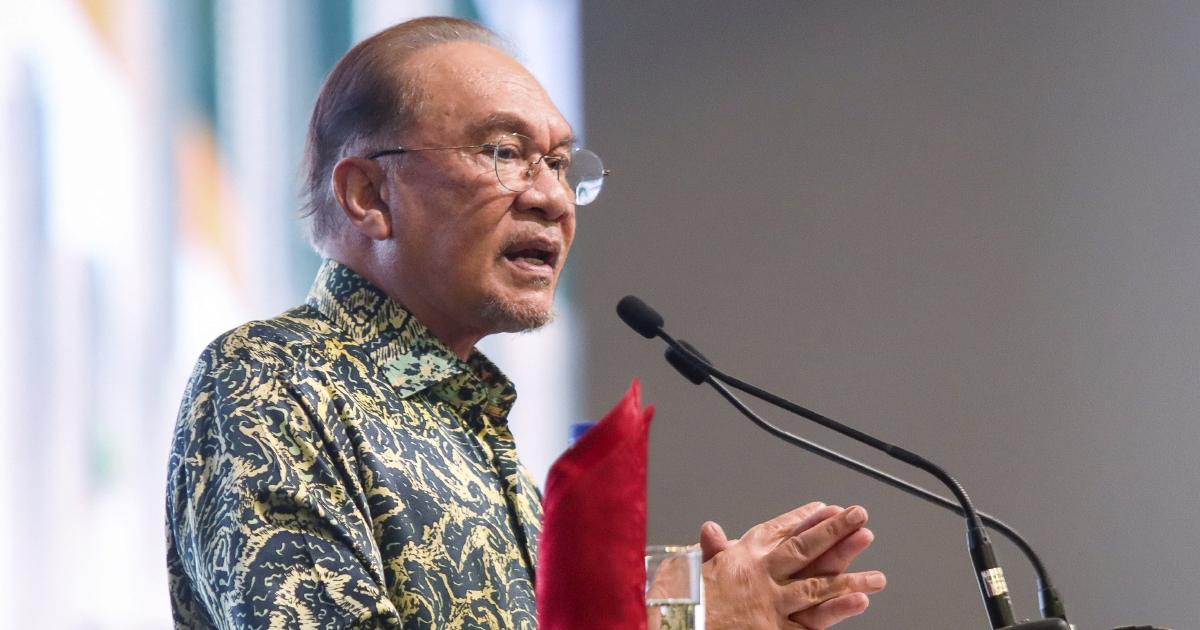
Prime Minister Datuk Seri Anwar Ibrahim announced that Myanmar has agreed to receive an initial batch of 5,000 Rohingya refugees from Malaysia, marking a potential breakthrough in resolving the protracted humanitarian crisis involving one of Asia's most persecuted minority groups. The commitment emerged from direct negotiations between Malaysian and Myanmar government officials, addressing a challenge that has weighed heavily on Malaysia's resources and social infrastructure for nearly a decade.
The Rohingya displacement crisis originated in Myanmar's Rakhine State, where decades of systemic discrimination culminated in mass violence in 2016 and a devastating military crackdown in 2017 that sent over 700,000 people fleeing across the border into neighbouring Bangladesh. Tens of thousands more eventually made their way to Malaysia, which despite lacking formal UNHCR resettlement status became an unplanned destination for displaced Rohingya seeking refuge. This influx has created significant socioeconomic pressures on the Malaysian government, from managing informal settlements to addressing public health concerns and labour market complications.
Malaysia's position on the Rohingya issue has evolved considerably over the past six years. While the country has demonstrated humanitarian commitment by providing shelter and basic services to one of the world's largest stateless populations, officials have increasingly emphasised that temporary refuge cannot become permanent settlement. The arrival of Rohingya has complicated Malaysia's already strained relationships with neighbouring Myanmar, despite Asean's commitment to non-interference in member states' internal affairs. This repatriation agreement suggests a recalibration of bilateral relations and recognition by both governments that some form of organised return mechanism is preferable to the current ad-hoc situation.
The negotiations underscoring this arrangement reflected broader geopolitical considerations within Southeast Asia. Myanmar's military government, which seized control in February 2021, faces considerable international scrutiny over accusations of genocide and crimes against humanity relating to the 2017 campaign against the Rohingya. Despite this international pressure and condemnation from various human rights organisations, Myanmar has remained largely impervious to external criticism. A repatriation agreement with Malaysia potentially offers Myanmar an opportunity to demonstrate willingness to address displacement while simultaneously reducing pressure from international bodies calling for accountability and population return.
For Malaysia, the agreement presents both opportunities and challenges. Successfully facilitating the return of 5,000 Rohingya would significantly alleviate domestic pressures arising from their presence, particularly in densely populated urban areas and informal settlements. However, Malaysian officials must navigate complex logistical requirements, including ensuring that returning refugees receive appropriate documentation, that returnees face no persecution upon arrival in Myanmar, and that international humanitarian standards are maintained throughout the process. The initiative also requires careful public management within Malaysia, where some communities harbour concerns about the Rohingya presence and its economic implications.
The initial 5,000-person figure represents merely the opening phase of what might become a larger repatriation programme. Myanmar's agreement to this initial cohort does not necessarily signal acceptance of all Rohingya currently residing in Malaysia, and detailed discussions regarding subsequent phases remain uncertain. The phased approach suggests both governments recognise the complexity of large-scale population movements and the need for verification mechanisms to ensure orderly returns. This measured methodology could establish precedent for addressing similar regional displacement issues, though success depends entirely on implementation transparency and respect for humanitarian protocols.
Regional observers note that this development carries implications extending beyond Myanmar and Malaysia. Bangladesh, which hosts nearly a million Rohingya in sprawling camps, continues advocating for international support in addressing what it considers a crisis beyond its capacity to manage unilaterally. Any successful repatriation pathway from Malaysia might influence Bangladesh's own negotiations with Myanmar regarding population return, potentially creating momentum for broader refugee resolution. Conversely, if the Malaysian repatriation process encounters obstacles or fails to meet humanitarian standards, it could discourage other countries from pursuing similar bilateral arrangements.
International humanitarian organisations and human rights groups have consistently emphasised that any Rohingya repatriation must be genuinely voluntary, informed, and conducted in conditions ensuring returnees' safety and dignity. The success of Malaysia's programme will largely depend on transparent monitoring mechanisms, involvement of credible international bodies, and Myanmar's demonstrated commitment to creating conditions where Rohingya can rebuild their lives without fear of persecution. Reports indicating that returnees have faced harassment or marginalisation in the past have raised legitimate concerns that require proactive addressing through confidence-building measures.
The timing of this announcement suggests Malaysia's government priorities are shifting toward resolving lingering humanitarian questions before addressing other regional challenges. The agreement represents pragmatic diplomacy acknowledging that sustainable solutions require bilateral cooperation rather than unilateral humanitarian intervention. As negotiations progress toward implementation, both governments will face scrutiny from international observers, regional partners, and domestic constituencies regarding their commitment to upholding standards of protection and human rights throughout the repatriation process.

