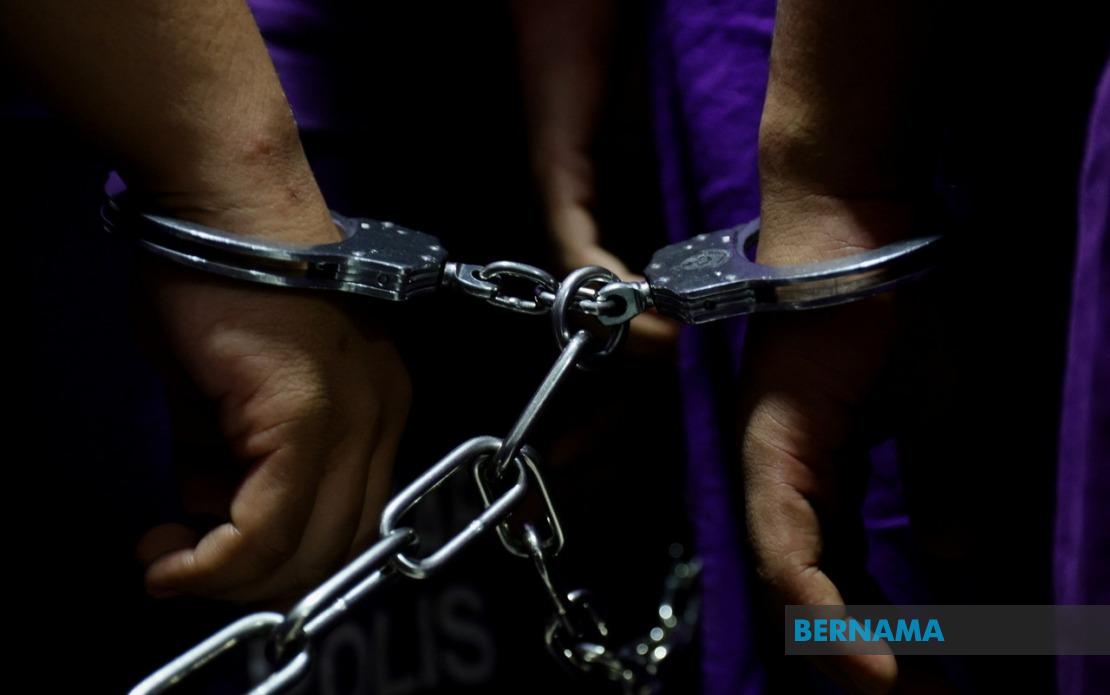
Law enforcement authorities in Myanmar have made significant progress in combating organised crime, announcing the arrest of 13 suspects—comprising 10 men and three women—linked to a series of gold shop robberies that targeted businesses in the Mandalay region. The coordinated enforcement operation demonstrates regional police capacity to investigate complex criminal networks and recover stolen assets spanning multiple incidents across central Myanmar.
The investigation centred on a robbery at the Millionaire Gold Shop in Chanmyathazi Township on July 20, where six men were initially arrested on suspicion of committing the theft. As investigators delved deeper into the circumstances surrounding this heist, they identified and apprehended five additional suspects believed to have collaborated in the operation. The expanded net revealed the extent of the organised criminal activity and the number of individuals involved in planning and executing the crime.
During searches conducted as part of the investigation, authorities recovered substantial quantities of stolen merchandise and contraband. Recovered items included over 42 ticals—equivalent to approximately 0.7 kilogrammes—of gold jewellery, an undisclosed amount of cash, a pistol complete with two magazines and 27 rounds of ammunition, four motorcycles, a slingshot, and 31 bolts. The cache of recovered materials underscores both the scale of the operation and the sophistication with which the criminal gang conducted its activities.
A crucial breakthrough emerged when investigators cross-referenced details from the July 20 robbery with records of previous incidents. Three of the six men initially arrested in connection with the Millionaire Gold Shop heist were found to have connections to an earlier crime: the robbery of the Paw Oo Gold Shop located in Mahaaungmyay Township on October 30, 2023. This discovery linked what appeared to be separate criminal incidents and pointed toward a coordinated criminal enterprise spanning months.
Following this crucial lead, law enforcement pursued additional suspects who allegedly worked alongside the three men in the earlier Paw Oo Gold Shop theft. The arrest of two further accomplices brought the total suspect count to 13 and provided investigators with a more complete picture of the gang's structure and operations. The fact that certain individuals were involved in robberies occurring nearly nine months apart suggests either a persistent criminal organisation or individuals with established patterns of targeting jewellery retail outlets.
For Malaysia and other Southeast Asian nations monitoring regional security trends, Myanmar's gold shop robberies illustrate broader challenges facing developing economies in the region. Precious metal retailers remain attractive targets for organised crime groups due to the high value of inventory, relative portability of gold items, and the existence of black markets for stolen jewellery across borders. The incident underscores the vulnerability of retail businesses in countries experiencing post-conflict transitions or institutional reconstruction.
The seizure of firearms and ammunition during the operation raises concerns about the relationship between organised retail theft and broader weapons trafficking networks in Myanmar. The presence of a pistol and live rounds suggests that criminal gangs operating in this space possess access to weapons and are willing to employ force to complete their objectives. This dimension of the investigation points to interconnected criminal ecosystems rather than isolated property crimes.
Authorities have proceeded with formal legal action against all 13 arrested suspects, though the report does not specify the exact charges being pursued or anticipated penalties. Myanmar's legal framework for prosecuting organised robbery and related offences varies in application and enforcement, and the trajectory of these cases will partly depend on judicial resources and the evidentiary strength of investigations. For regional observers, the speed with which arrests proceeded following the July incident suggests functional investigative capacity within Myanmar's law enforcement apparatus.
Police statements indicate that apprehensions remain ongoing, with authorities continuing efforts to locate and arrest additional suspects believed connected to the robberies. This suggests either that the criminal gang may have involved more people than the 13 arrested, or that investigation findings have expanded the scope of the inquiry to encompass related crimes or associated individuals. Sustained enforcement operations of this type require significant resource allocation and inter-agency coordination.
The Mandalay robberies reflect persistent security challenges within Myanmar's commercial sector, particularly affecting small and medium-sized jewellery retailers. Unlike large banking institutions with advanced security infrastructure, independent gold shops often operate with more modest protective systems, making them disproportionately vulnerable to organised theft. Business owners throughout the region closely monitor such incidents, as trends in targeted crime directly influence insurance costs, security investments, and operational decisions.
From a regional perspective, the case demonstrates both the risks and opportunities present in Myanmar's transition period. While organised crime exploits institutional gaps and transitional vulnerabilities, the capacity of authorities to investigate cross-referenced incidents and coordinate arrests indicates developing investigative sophistication. These competing dynamics will likely characterise Myanmar's security environment for the foreseeable future.
The investigation's success in connecting multiple incidents separated by geography and time underscores the value of systematic record-keeping and inter-agency information-sharing in combating organised crime. For Southeast Asian law enforcement agencies engaged in capacity-building initiatives throughout the region, Myanmar's investigation methodology offers practical lessons in deploying available resources to maximum effect. The recovery of weapons and stolen merchandise also provides measurable outcomes that justify continued investment in criminal investigation infrastructure.

