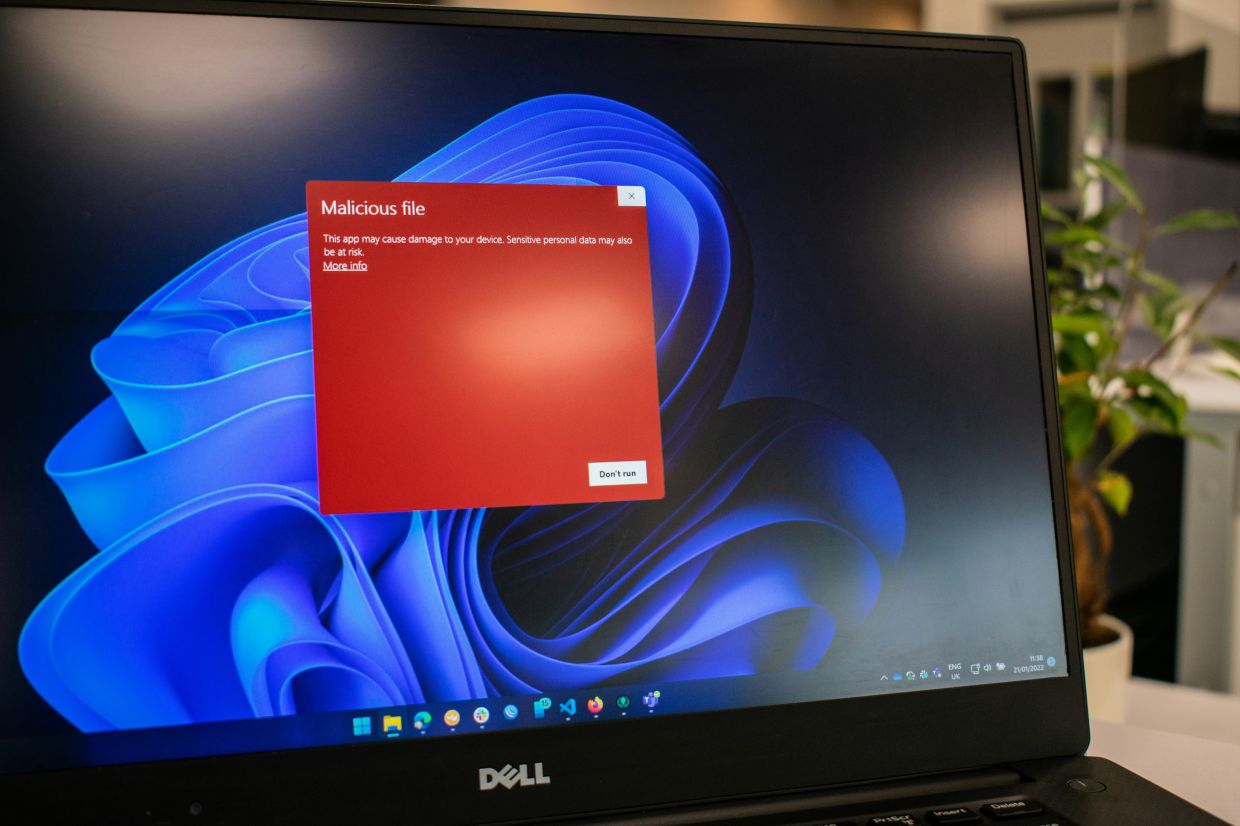
Malaysia's Cyber Security Centre (MyCert) has raised the alarm over an active malware campaign exploiting WhatsApp's messaging platforms to distribute dangerous trojans to Windows computer users throughout the country. The threat, which operates through social engineering deception, represents a growing risk to both individual users and corporate employees relying on the popular messaging service for daily communications.
The attack methodology hinges on psychological manipulation rather than technical sophistication. Perpetrators dispatch seemingly innocuous messages containing file attachments that masquerade as routine business documents. The naming conventions deliberately invoke trust by referencing universally recognised financial communications—loan acknowledgments, billing statements, account reconciliations—designed to prompt immediate opening without scrutiny. Examples of filenames deployed in the campaign include "Acknowledgment of Debt.vbs", "Sila semak bil anda.vbs", "December statement of account.vbs", and "Reconciliation.vbs", which draw on both English and Malay language variations to maximise their deceptive appeal across Malaysia's diverse population.
The technical mechanism underlying the attack exploits a common user misconception about file types. Despite their official names suggesting they are PDF documents, these are actually Visual Basic Script (.vbs) files—a format capable of executing complex computer instructions upon opening. When a recipient launches one of these attachments, the script immediately deploys without requiring additional user confirmation, initiating the malware installation chain. This automated execution removes the computational equivalent of a safety checkpoint that might otherwise alert cautious users to suspicious activity.
The payload installed through this process is particularly insidious. A Remote Access Trojan, commonly abbreviated as RAT, effectively grants attackers an invisible backdoor into compromised computers. Once installed, the trojan provides adversaries complete remote command authority—they can navigate files, execute additional programs, and maintain persistent access even after the victim restarts their device. The trojan's architecture is designed for stealth, actively suppressing Windows security notifications that might otherwise warn users of illicit activity occurring on their systems.
MyCert's analysis indicates the trojan's capabilities extend beyond mere device hijacking. The malicious code systematically captures and exfiltrates sensitive data entered or displayed on infected machines. Banking credentials, personal identification numbers used for financial transactions, and one-time passwords generated for two-factor authentication all fall within the trojan's collection scope. By operating silently beneath conventional antivirus detection thresholds, the malware enables prolonged unauthorised surveillance of user activities, representing a critical threat to financial security and personal privacy.
The implications for Malaysia's digital ecosystem warrant serious consideration. WhatsApp's ubiquity in business communications means corporate environments represent particularly attractive targets for such campaigns. Employees inadvertently opening these attachments on company devices could expose entire organisational networks to compromise. Financial institutions, government agencies, and enterprises handling sensitive information face escalated risk when staff remain unaware of these specific attack vectors and lack clear protocols for responding to suspected malware infections.
MyCert's immediate guidance emphasises prevention through vigilance. Users should refrain from opening any unexpected file attachments, regardless of apparent legitimacy, and absolutely should not forward suspicious files to contacts—an action that merely expands the attack's reach. Replying to senders likewise proves counterproductive, as responses confirm the recipient's phone number remains active, potentially increasing future targeting by threat actors who maintain lists of responsive contact details.
For individuals who have already encountered these messages, MyCert recommends immediately reporting them through WhatsApp's built-in reporting mechanisms while simultaneously notifying the authorities. Detailed submissions to MyCert's dedicated Cyber999 email address ([email protected]) should include screenshot evidence, precise timestamps, and the attacker's phone number, information that assists in tracking campaign scope and coordinating broader defensive responses.
Users who suspect they have opened or executed one of these files face a critical remediation window. The fundamental assumption must be that the device is compromised and all information ever entered or displayed upon it is now accessible to attackers. Immediate disconnection from internet connectivity serves to sever the trojan's communication channels with its command infrastructure, halting real-time remote control capabilities. Corporate users must simultaneously alert their organisation's information technology departments to enable coordinated incident response and network-wide security assessments.
Password remediation demands particular attention. All credentials previously used on the compromised system should be considered fully exposed and requiring immediate replacement. Crucially, these changes must occur exclusively on separate, trusted devices—attempting to reset passwords from the infected computer merely exposes the new credentials to the same trojan. Banking institutions, email providers, government portals, and any other service accessed from the infected device should all have their associated passwords changed in sequence.
Standard consumer antivirus software represents an insufficient remedy for this specific threat. The trojan's architecture and stealth capabilities often evade signature-based detection employed by conventional security products. MyCert explicitly recommends engaging professional cybersecurity specialists experienced in advanced malware removal, particularly for business-critical systems or devices containing sensitive personal information. Professional remediation services maintain specialised tools and expertise necessary to comprehensively identify and eliminate remote access trojans from infected systems.
Documentation of the original attack provides valuable intelligence for cybersecurity authorities investigating the broader campaign. Victims should compile all available information about the compromise—including the initial message content, any links or files involved, and estimated infection timing—and submit this to MyCert to assist in threat intelligence collection and public awareness efforts. This collective reporting strengthens Malaysia's cyber defence posture by enabling authorities to detect patterns, attribute attacks to specific threat actors, and coordinate coordinated defensive measures.

