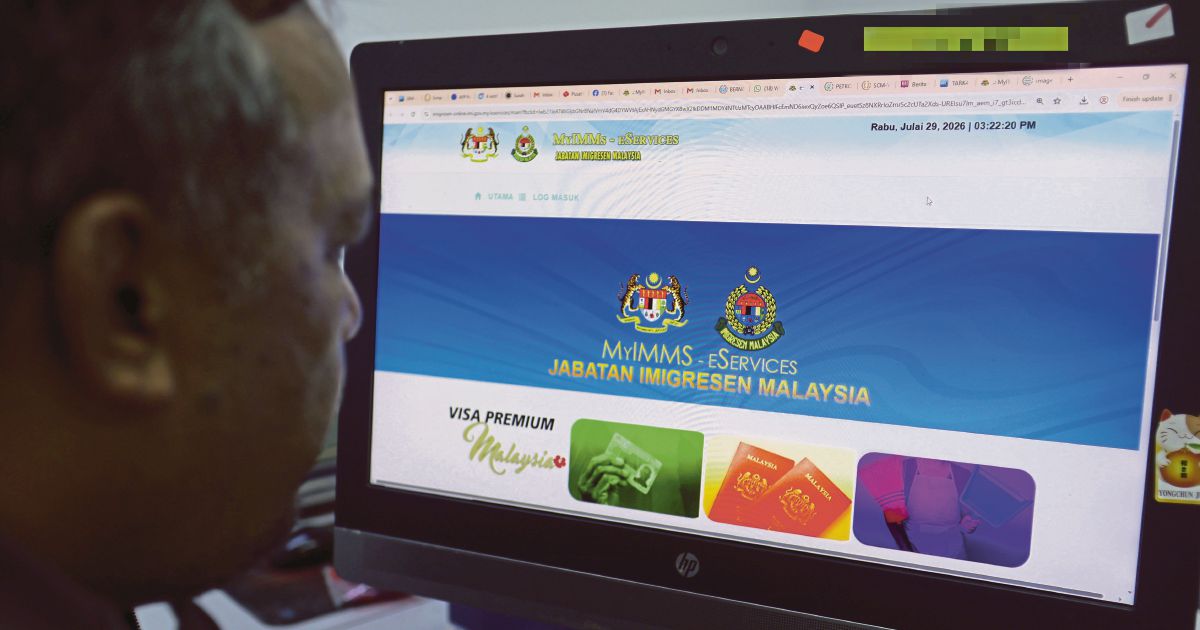
The alleged compromise of the Malaysian Immigration System has triggered a significant debate about how the nation's government should categorise and respond to the incident. Rather than viewing the breach primarily through the lens of cybercrime or corruption, security experts are advocating for a fundamental shift in approach—one that recognises the episode as a threat to Malaysia's broader national security apparatus.
Criminologists and security analysts argue that the hacking and manipulation of MyIMMs transcends conventional categories of digital crime. The system's fundamental role in controlling who enters and exits Malaysia's borders means that any successful attack on its integrity strikes at the heart of state sovereignty. Immigration databases represent one of the most sensitive repositories of information a nation possesses, containing biometric data, movement histories, and personal identifiers of millions of citizens and foreign nationals. When such systems are compromised, the implications extend far beyond individual fraud or data theft.
The distinction between treating MyIMMs as a cybercrime case versus a national security matter carries profound operational implications. A cybercrime investigation typically focuses on identifying perpetrators, recovering stolen data, and prosecuting individuals responsible for unauthorized access. A national security framework, by contrast, demands comprehensive assessment of how vulnerabilities were exploited, what foreign or hostile actors may have gained access to critical migration data, and what systemic weaknesses in Malaysia's defensive posture the breach has exposed. The latter approach requires immediate remediation at a structural level rather than reactive prosecution alone.
Malaysia's position as a Southeast Asian hub for international travel and commerce makes this concern particularly acute. Millions of individuals pass through Malaysian immigration checkpoints annually, and the integrity of these systems directly impacts not only domestic security but also the nation's credibility as a reliable partner in regional security arrangements. Neighbouring countries and international partners depend on Malaysia's ability to accurately track movement across its borders and to maintain robust systems that prevent security threats from entering or exiting the nation. A compromised immigration system undermines this trust and creates potential blind spots in regional security cooperation.
The connection between immigration system integrity and national defence extends to counterterrorism operations. Intelligence agencies rely on accurate immigration records to identify suspicious travel patterns, track individuals of concern, and prevent known threats from entering the country. If these databases have been corrupted or if an attacker has gained the ability to manipulate records, law enforcement agencies could be operating on fundamentally unreliable information. The potential for manipulation—where genuine threats could be deleted from watchlists or fictitious records inserted—represents a critical vulnerability in Malaysia's security architecture.
Experts emphasise that the breach also raises questions about the broader security of other critical government systems. If MyIMMs, a high-profile government database, could be penetrated and manipulated, what does this suggest about the protective measures surrounding other sensitive systems such as those managing financial transactions, customs operations, or defence infrastructure? The incident serves as an indicator of systemic weaknesses that may extend across multiple government agencies, necessitating a comprehensive security audit rather than isolated fixes.
The involvement of potential foreign actors compounds the national security dimension. If evidence suggests that state-sponsored actors or organised criminal networks with international reach orchestrated the breach, the incident assumes geopolitical significance. Malaysia would need to consider not only how to restore system integrity but also how to deter future attacks and coordinate with allied nations to identify and neutralise threats. This calculus is fundamentally different from treating the matter as a domestic law enforcement issue.
Government authorities face a delicate balancing act in managing public disclosure about the breach. Revealing too much detail about system vulnerabilities or the extent of manipulation risks providing a roadmap for future attackers, while insufficient transparency undermines public confidence in government institutions. A national security framework allows for coordinated, compartmentalised investigation and remediation while maintaining necessary operational secrecy—an approach that may be more appropriate than the standard procedures for handling ordinary cybercrime cases.
The timing and nature of the breach also warrant consideration. Immigration systems are particularly sensitive during periods of heightened security alerts or geopolitical tensions, and the ability to manipulate entry records could theoretically facilitate security threats. Whether the breach was discovered immediately or months after initial compromise, and whether any records were actually altered, remains crucial to assessing the concrete damage inflicted and the urgency of response measures.
Moving forward, treating MyIMMs as a national security matter rather than purely a cybercrime case would likely trigger involvement of Malaysia's security and intelligence agencies alongside law enforcement. This expanded institutional response could enable more sophisticated forensic analysis, threat intelligence gathering, and international coordination to identify responsible parties and prevent recurrence. The approach also signals to the public and to international partners that the government takes the integrity of critical infrastructure seriously and is prepared to deploy the full range of national security mechanisms to address such threats.
The broader lesson for Malaysia and other Southeast Asian nations is that critical infrastructure protection demands a national security posture rather than a cybercrime response alone. As digital systems increasingly underpin essential government functions, the line between cybercrime and national security threats will continue to blur, requiring integrated approaches that combine law enforcement expertise with intelligence capabilities and strategic threat assessment.

