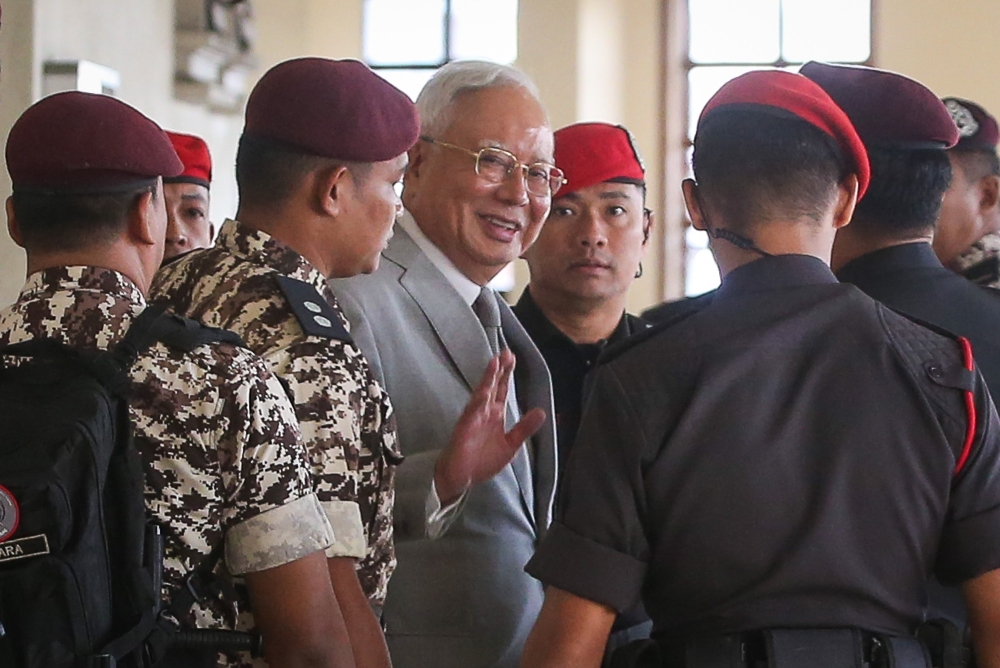
Datuk Seri Najib Razak, who led Malaysia as prime minister from 2009 to 2018, is set to undergo a cardiac procedure, his lawyer confirmed on July 17, marking a significant health development for the country's most high-profile political figure in recent years. The confirmation came as the former premier navigates multiple legal challenges that have dominated Malaysian political discourse since his departure from office. His legal representatives indicated that the procedure, while significant, would proceed as medically planned, without elaborating on its specific nature or timeline beyond the immediate announcement.
The health situation of Najib has taken on considerable public importance given his ongoing involvement in the Malaysian legal system, where he faces charges and convictions related to alleged financial impropriety. The procedure represents a intersection of personal health matters and the nation's prolonged reckoning with governance issues that surfaced during his administration. Malaysian media and political observers have noted that major developments concerning Najib's health or legal status continue to generate intense public interest, reflecting the enduring controversy surrounding his tenure in office.
Najib's political trajectory has been extraordinary, moving from one of Malaysia's most powerful positions to become the focal point of investigations and legal proceedings that fundamentally altered the country's political landscape. His fall from grace began following the 2018 general election, when a coalition led by former premier Mahathir Mohamad defeated his ruling party, resulting in the first change of federal government in Malaysia's independent history. The electoral loss opened the floodgates to criminal investigations into allegations of massive corruption and misappropriation of state funds, centered around the 1Malaysia Development Berhad scandal that had shadowed his administration.
The legal proceedings against Najib have been extensive and consequential, involving multiple trials and courtroom appearances that have kept him in the public eye continuously since 2018. His conviction on several charges related to criminal breach of trust and money laundering marked a watershed moment in Malaysian jurisprudence, as it represented the rare instance of a former head of government facing judicial accountability for allegedly unlawful conduct during his tenure. The cases have wound through Malaysia's courts with considerable complexity, involving substantial sums of money, offshore transactions, and questions about governance standards that had been previously unchallenged.
During this extended legal process, Najib has remained a polarizing figure within Malaysian society. Supporters argue that he has become a victim of political persecution and selective prosecution, suggesting that other political figures guilty of comparable misconduct have escaped scrutiny. Critics contend that his prosecution represents a necessary reckoning with the systemic corruption that allegedly permeated his administration. This division has persisted despite the change of federal government that occurred in 2022 and the subsequent return to power of his political coalition, the Barisan Nasional, as part of a government formed with Ismail Sabri Yaakob as prime minister.
The timing of the health announcement carries particular significance within Malaysia's volatile political context. Questions about Najib's health status could potentially affect his legal proceedings, depending on medical developments and how courts handle any requests for adjournment or postponement related to his condition. Past instances of political figures undergoing significant medical procedures have sometimes resulted in temporary suspensions of legal proceedings or public absences from political activity. The Malaysian legal system, while generally independent, has faced scrutiny regarding how it handles matters involving prominent political personalities, making the intersection of Najib's health and his legal challenges a matter of genuine public concern beyond mere tabloid interest.
International observers have continued monitoring Najib's situation as part of broader assessments of Malaysia's rule of law and institutional development. The extensive prosecution and convictions have been cited internationally as examples of Malaysia's willingness to hold even the highest-ranking officials accountable, though skeptics note that implementation has been uneven. The outcome of Najib's various legal cases carries implications for how Malaysia is perceived globally regarding judicial independence and anti-corruption enforcement, factors that influence investor confidence and international standing.
The confirmation of the impending heart procedure adds a human dimension to a narrative that has often focused on legal technicalities and political maneuvering. Regardless of one's political perspective on Najib's actions or convictions, developments concerning the health of a former national leader inevitably generate broader reflection within Malaysian society. The procedure, while medically routine for many individuals, takes on heightened significance when involving someone of Najib's prominence and ongoing legal entanglement.
Looking forward, the resolution of both the medical procedure and the outstanding legal matters will likely remain central to Malaysian political discourse. Whether health considerations might lead to different approaches within Malaysia's legal system, or whether the case proceedings will continue unabated, remains uncertain. What appears clear is that Najib's situation continues to define discussions about accountability, governance, and the relationship between personal circumstances and public responsibility in contemporary Malaysia.

