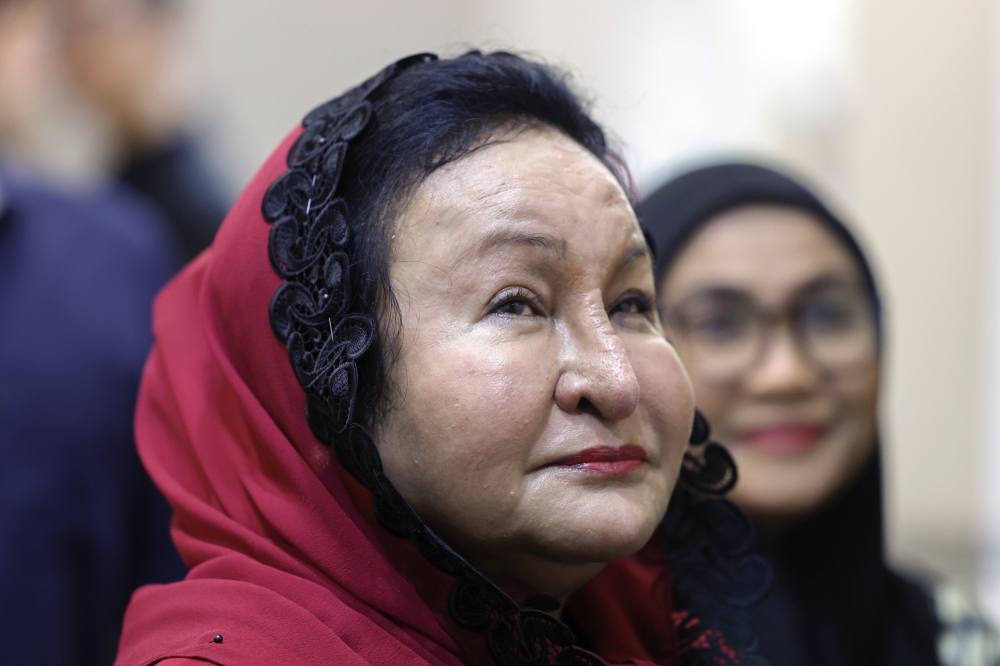
Former Prime Minister Datuk Seri Najib Razak has scheduled a medical procedure to address plaque buildup in his blood vessels, according to an announcement made by his wife, Datin Seri Rosmah Mansor. The disclosure, made on Friday in Kuala Lumpur, indicates that the procedure is part of preventive cardiovascular care rather than an emergency intervention.
Rosmah's confirmation of her husband's upcoming treatment comes as the former leader continues to navigate legal challenges while managing his personal health matters. The intervention targets the removal of arterial plaque, a common cardiovascular concern among individuals in their advancing years. Such accumulations can narrow blood vessels and potentially restrict blood flow if left unaddressed, making preventive procedures increasingly important.
While the specific timing and location of the procedure were not extensively detailed in Rosmah's statement, the scheduled nature of the intervention suggests that Najib's medical team has determined it to be necessary but not immediately critical. Plaque removal procedures, whether through angioplasty, stenting, or similar interventions, represent routine preventive cardiovascular management in contemporary medical practice.
The announcement carries particular significance given Najib's ongoing legal entanglements stemming from the 1Malaysia Development Berhad (1MDB) scandal. The former prime minister has faced multiple convictions and is currently navigating the appellate process, even as he pursues political activities and public engagements. His health situation adds another dimension to his broader circumstances as he manages both institutional proceedings and personal wellness.
For Malaysian political observers, such health updates regarding prominent public figures often intersect with broader questions about governance and succession. Najib's continued prominence within the United Malays National Organisation (UMNO) party structure means that developments affecting his availability for political involvement carry implications for the party's internal dynamics and leadership positioning.
The disclosure by Rosmah rather than a direct statement from Najib himself is noteworthy from a communications perspective. It suggests a deliberate approach to managing the narrative around his health, allowing family to speak publicly while potentially maintaining a degree of privacy around medical specifics. This strategy reflects broader patterns in how political figures handle health information in the contemporary media environment.
Cardiovascular procedures have become increasingly standardized components of preventive healthcare, particularly among individuals over 65 years old. The procedure Najib is scheduled to undergo represents contemporary medical best practice for managing arterial plaque accumulation and represents a standard intervention performed thousands of times annually across Malaysian and regional healthcare systems.
The timing of this announcement during the Malaysian political calendar is worth noting. The country continues to navigate shifting coalition dynamics, with UMNO playing a central role in the current political configuration. Najib's health status and availability indirectly affect factional discussions within the party and broader coalition negotiations.
From a Southeast Asian perspective, the health of prominent political figures who have shaped regional developments, particularly those involved in major financial scandals, remains of interest to observers tracking governance evolution across the region. Najib's case has become emblematic of questions surrounding accountability, legal processes, and political rehabilitation in contemporary Southeast Asia.
Rosmah's willingness to publicly discuss her husband's medical situation reflects evolving attitudes toward transparency regarding health matters among Malaysia's political elite. Previous generations of leaders often maintained complete privacy around medical information, whereas contemporary expectations increasingly favor at least basic acknowledgment of significant health developments.
The intervention Najib will undergo represents a straightforward medical procedure now performed as outpatient care in many instances, with recovery timelines generally measured in days to weeks rather than extended periods. This suggests his capacity to maintain public and legal activities should remain largely unaffected by the intervention itself.
Looking ahead, the success of such procedures typically depends on post-intervention lifestyle modifications, including dietary adjustments, regular exercise, and medication compliance. The preventive nature of this intervention underscores the importance of ongoing cardiovascular monitoring that would likely characterise Najib's medical management going forward.
Ultimately, the confirmation of Najib's scheduled procedure represents a routine health matter that intersects with the broader narrative of his post-premiership trajectory. As he continues managing legal challenges and political positioning, his health management becomes yet another dimension of his complex contemporary situation within Malaysian public life and the regional political landscape.

