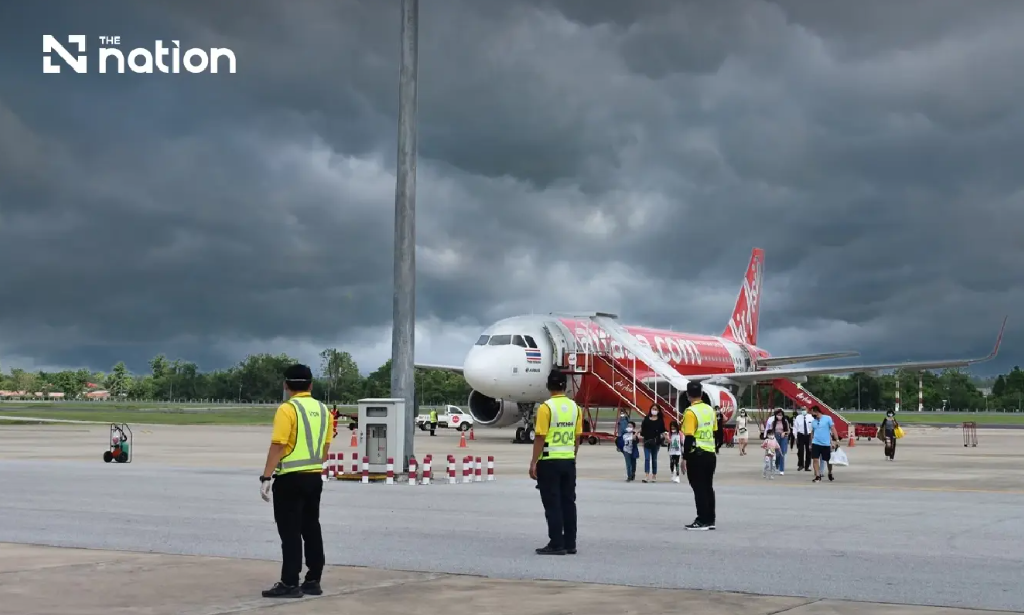
Nan Nakhon Airport in northern Thailand is maintaining regular flight schedules despite extensive flooding that has disrupted ground transport across the province, according to confirmation from the Civil Aviation Authority of Thailand on Wednesday. While the terminal remains functional and aircraft are being cleared for departure and arrival, the deteriorating conditions surrounding the facility have forced authorities to issue urgent travel advisories and implement heightened safety monitoring throughout the region.
The flooding, which struck several districts in Nan province following heavy rainfall and thunderstorms, has created a significant disconnect between airport operations and accessibility. Passengers attempting to reach the facility now face treacherous road conditions that require careful planning. The authorities have recommended travellers allocate an unusually extended timeframe of three to four hours for journeys to the airport, substantially longer than normal transit durations, to account for potential detours and congestion caused by waterlogged routes.
The practical challenges became evident on Wednesday morning when Thai AirAsia flight FD3354 departing from Bangkok's Don Mueang Airport was initially unable to land at Nan due to severely reduced visibility caused by persistent rain. The aircraft was diverted to Chiang Mai Airport before weather conditions improved sufficiently to allow it to complete its journey to Nan Nakhon Airport, landing safely at 11:15am. This incident underscores the volatile nature of conditions affecting the facility and highlights how rapidly circumstances can shift during periods of intense rainfall and flooding.
Deputy Transport Minister Phattharaphong Phattharaprasit has ordered intensive preparations and continuous monitoring at the airport and surrounding facilities. The Department of Airports has been directed to maintain round-the-clock surveillance following flash flooding in Pua district, which has affected 12 subdistricts and impacted 107 villages across the region. This upstream flooding poses ongoing risks to airport operations even when direct rainfall subsides, as water continues flowing toward populated and infrastructure areas.
Comprehensive emergency protocols have been activated across multiple agencies to ensure passenger safety and operational continuity. Airport personnel are actively monitoring internal and external water levels, systematically inspecting drainage channels for obstructions that could impede water flow, and assessing surrounding terrain for conditions that might compromise aircraft movements. These preventive measures are essential in mitigating risks during periods when meteorological conditions remain unpredictable and water management systems are operating at maximum capacity.
Infrastructure resilience has also been prioritised, with backup generators positioned strategically in anticipation of potential disruptions to power distribution. The Provincial Electricity Authority's systems remain vulnerable to damage during flooding events, and maintaining uninterrupted electrical supply to airport facilities is critical for navigation systems, lighting, and operational control. Should primary power systems fail, these generators would enable the airport to sustain essential functions and continue managing aircraft movements safely.
Coordination between multiple government agencies has been formalised to ensure rapid response capabilities. Air traffic control units, meteorological authorities, disaster prevention and mitigation offices, and the Provincial Electricity Authority are now operating under integrated communication protocols. This inter-agency framework enables real-time information sharing about weather developments, water level changes, and infrastructure status, allowing decision-makers to issue timely directives regarding flight operations, passenger assistance, and emergency procedures.
The flooding's impact extends beyond commercial passenger services. The Department of Airports has been instructed to facilitate flights operated by government agencies and private organisations transporting humanitarian assistance to affected communities. This operational priority underscores how aviation infrastructure serves critical roles beyond regular transportation during disaster situations. As flood waters gradually recede, the government has committed to preparing additional support measures for residents in affected areas, with airport facilities potentially serving as distribution hubs.
Travellers using Nan Nakhon Airport are protected under Civil Aviation Board Regulation No. 101, which establishes passenger rights and airline responsibilities during disruptions. The regulation specifies that airlines must provide information and assistance to passengers whose flights are delayed, cancelled, or who are denied boarding. However, compensation entitlements depend on the specific cause of disruption, and weather-related cancellations or diversions are typically treated differently from operational failures. Passengers should familiarise themselves with airline policies and regulation provisions before travelling during monsoon season.
The current situation reflects broader vulnerabilities facing transportation infrastructure across Southeast Asia during intensifying monsoon periods. Thailand's northern provinces frequently experience severe flooding that tests airport resilience and ground transport networks simultaneously. For Malaysian and regional travellers, this incident reinforces the importance of monitoring weather forecasts and checking with airlines before departure, particularly when travelling to affected areas during high-risk seasons. Real-time communication with carriers about flight status and ground conditions remains essential for managing journey planning during weather emergencies.
Government authorities have emphasised that conditions remain fluid and subject to rapid change. Passengers are urged to maintain continuous monitoring of ground route conditions and flight status updates from their airlines before departing for the airport. The integration of real-time weather monitoring, infrastructure inspections, and inter-agency communication represents a comprehensive response aimed at balancing operational continuity with passenger safety. Until flood waters recede completely and drainage systems return to normal capacity, travellers should expect potential delays and maintain flexible schedules when routing through Nan Nakhon Airport.
Beyond the immediate crisis response, this flooding event highlights the necessity for long-term infrastructure improvements at regional airports in flood-prone areas. Investment in elevated drainage systems, advanced water management technology, and resilient terminal design would enhance future capacity to maintain operations during extreme weather events. For the aviation sector across Southeast Asia, building climate-resilient infrastructure is becoming an urgent priority as weather patterns intensify and affect passenger movements, cargo operations, and emergency response capabilities during disasters.

