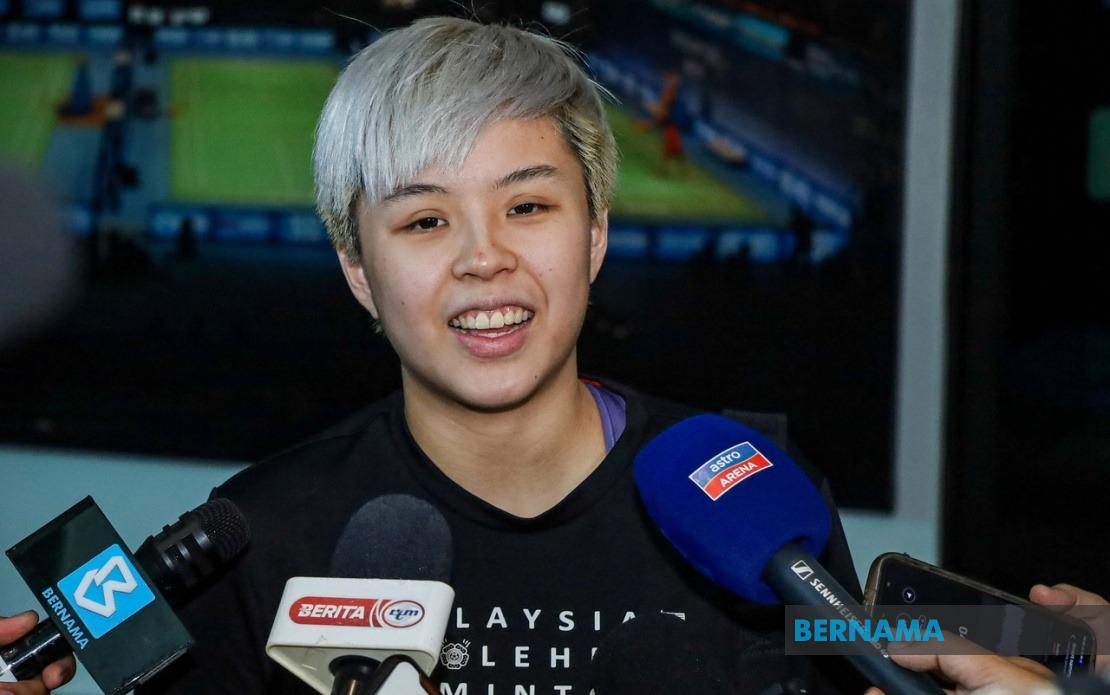
Toh Ee Wei, Malaysia's national mixed doubles badminton player, has successfully undergone surgery to repair a torn anterior cruciate ligament in her left knee at a Melbourne facility. The Badminton Association of Malaysia (BAM) announced the completion of the procedure on July 1, marking a critical milestone in the player's recovery from an injury sustained during competitive play last month. The surgery represents the formal transition from diagnosis and preparation into the intensive rehabilitation phase that will determine her timeline for returning to international competition.
The injury that necessitated the surgical intervention occurred during the quarter-final round of the Singapore Open 2026 in May, during what would have been a crucial match for the player's ranking progression. ACL injuries are among the most serious orthopedic injuries affecting badminton athletes, as the ligament plays a fundamental role in knee stability and directional control—attributes essential for the explosive lateral movements and rapid direction changes that characterise competitive doubles play. The fact that Ee Wei proceeded directly to surgery rather than pursuing conservative treatment indicates the severity of the tear and the professional assessment that surgical reconstruction offered the best pathway to full functional recovery.
BAM's statement extended its commitment to supporting Ee Wei through what will likely be a six-to-nine-month rehabilitation process, depending on the specifics of her injury classification and surgical approach. The association pledged to provide ongoing medical supervision, physiotherapy, and sports science support as the player works toward regaining full strength, proprioception, and movement confidence in the injured knee. This institutional backing reflects BAM's recognition that athlete welfare and career longevity constitute investments in Malaysia's competitive badminton future, particularly in mixed doubles, where the nation has traditionally fielded competitive pairs.
Ee Wei herself expressed gratitude for the outpouring of support from teammates, coaches, family, and the broader badminton community during the period between her initial injury and surgical intervention. Her statement conveyed a sense of relief that the procedure had progressed without complications, a concern that weighs heavily on athletes facing major orthopedic surgery. She acknowledged the psychological dimension of injury recovery, recognising that returning to elite competition requires not merely physical rehabilitation but also mental resilience and the restoration of confidence in the repaired joint.
The player articulated a focused approach to the rehabilitation process ahead, committing to give full effort to each phase of recovery under the guidance of medical professionals. Her emphasis on returning "stronger" reflects a common psychological strategy among elite athletes recovering from significant injury—the reframing of the forced layoff as an opportunity for improvement in other areas of fitness, technical refinement, or mental preparation. For a mixed doubles player, this period might also allow for tactical analysis and adjustment that could enhance her effectiveness upon return.
From a competitive perspective, Toh Ee Wei's absence from the international badminton circuit will create both short-term challenges and medium-term recalibrations for Malaysian badminton. Her mixed doubles partnership and ranking points represent contributions to Malaysia's overall performance metrics in World Badminton Federation standings. Tournament scheduling decisions will need to account for her unavailability, and her partner or replacement pairing will require time to develop synchronisation and chemistry.
The timing of the injury and surgery also intersects with the Asian badminton calendar, which features several prestigious tournaments between July and the end of the year. Ee Wei's recovery trajectory will likely preclude participation in major events through the remainder of 2026, necessitating realistic goal-setting around competitive return dates. Medical teams typically advise a phased return to sport, beginning with controlled practice environments before gradually reintroducing match play and competition stress.
The Melbourne location of the surgical procedure suggests that BAM arranged for treatment at a facility with specialised expertise in sports medicine and orthopedic surgery, potentially indicating a partnership with an established sports injury clinic or hospital system. The choice of facility reflects the importance placed on securing outcomes from a reputable surgical team rather than pursuing the most geographically convenient option.
For Malaysian badminton observers, Ee Wei's situation underscores the inherent risks associated with professional sports at the elite level, where the physical demands placed on athletes' bodies create genuine injury risks despite modern injury prevention protocols. Her recovery will be followed closely by teammates and the sporting public as a barometer of both her individual resilience and the quality of Malaysia's sports medicine infrastructure.
As Ee Wei transitions into the demanding work of rehabilitation, the next significant updates will likely concern her progress through physiotherapy milestones—initial range-of-motion recovery, strength benchmarks, and eventual clearance to resume sport-specific training. These incremental achievements, rather than a single return-to-competition date, will define her recovery journey and provide stakeholders with realistic expectations about her competitive timeline.

