%22%2F%3E%3C%2Fpattern%3E%3C%2Fdefs%3E%3Crect%20width%3D%22100%25%22%20height%3D%22100%25%22%20fill%3D%22url(%23ph2y8m0g)%22%2F%3E%3Crect%20width%3D%22100%25%22%20height%3D%22100%25%22%20fill%3D%22url(%23ph2y8m0p)%22%2F%3E%3Ctext%20x%3D%2250%25%22%20y%3D%2250%25%22%20text-anchor%3D%22middle%22%20dominant-baseline%3D%22central%22%20fill%3D%22rgba(255%2C255%2C255%2C0.95)%22%20font-family%3D%22Georgia%2C%20'Times%20New%20Roman'%2C%20serif%22%20font-weight%3D%22700%22%20font-size%3D%22170%22%20letter-spacing%3D%22-0.02em%22%3ENational%3C%2Ftext%3E%3C%2Fsvg%3E)
Malaysia's National Unity Week celebration in Kota Kinabalu has surpassed all previous attendance benchmarks, welcoming 284,448 visitors across four days from June 11 to 14. The gathering represents the strongest public turnout since the nationwide programme was established in 2023, signalling deepening community engagement with initiatives designed to strengthen national cohesion across Malaysia's diverse populations.
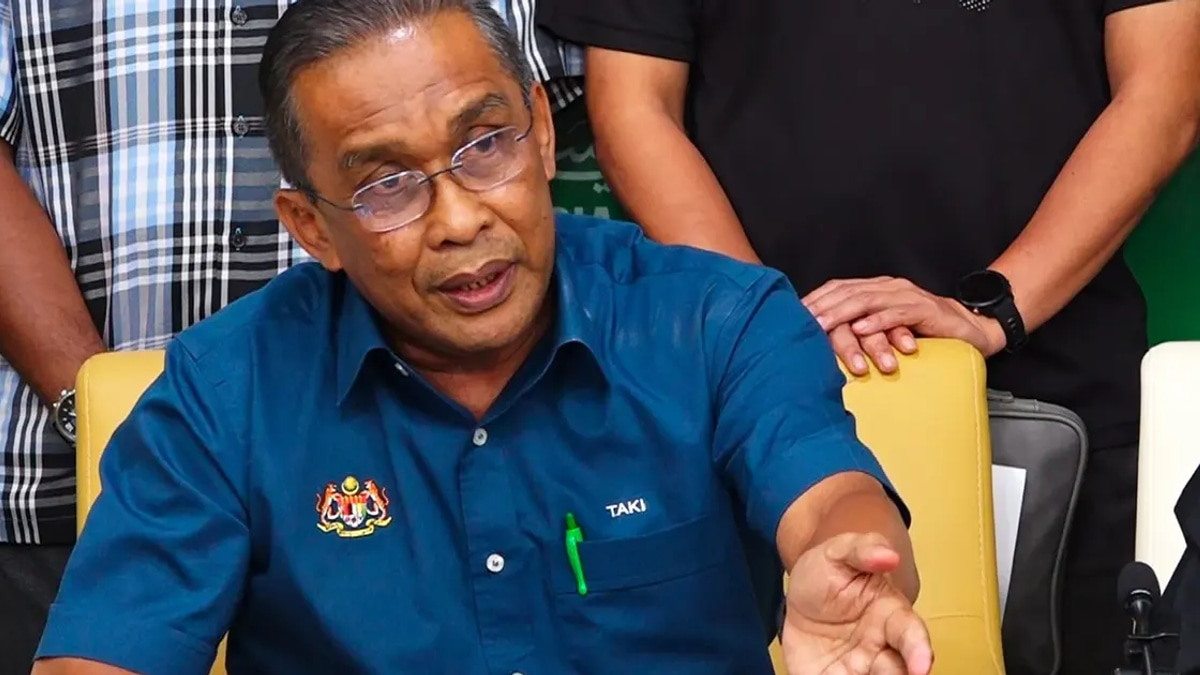
National Unity Minister Datuk Aaron Ago Dagang attributed the exceptional attendance figures to Malaysians' heightened awareness of the nation's multifaceted cultural tapestry and distinct heritage traditions. He characterised the outcome as validation of the country's foundational principle—that Malaysia's strength derives fundamentally from embracing and celebrating the distinct identities and customs of its various communities. The minister framed the event as evidence that Malaysians increasingly recognise cultural diversity not merely as demographic fact, but as a strategic national asset that underpins social resilience and long-term stability.
Three exhibition zones emerged as particularly magnetic attractions for the diverse visitor base. The Ethnic Village proved most popular, offering immersive glimpses into the everyday practices, customs and lifestyles of Malaysia's principal ethnic communities. Alongside this, the Ethnic Houses section drew sustained interest by highlighting architectural styles, craftsmanship and material culture specific to communities including the Bajau, Melanau, Banjar, Kedayan and Portuguese populations—groups whose heritage often remains understated in mainstream national narratives. The third standout feature, the Negara Bangsa and Raja Kita Exhibition, successfully captured younger visitors' attention by contextualising Malaysian history and constitutional monarchy within accessible, engaging frameworks.
The Ministry of National Unity confirmed its intention to establish the week-long celebration as an annual fixture within Malaysia's official calendar. Officials view the programme as a structured platform enabling Malaysians from disparate ethnic, religious and regional backgrounds to encounter one another authentically, exchange perspectives and construct relationships grounded in mutual recognition rather than abstract principles. The recurring format allows organisers to refine content, expand participation and deepen thematic exploration year on year.
Yet Aaron cautioned against misconceptions that episodic celebrations alone can sustain national cohesion. He emphasised that genuine unity demands continuous, institutionalised commitment extending across generations, requiring integration into educational systems, civic practices and governance structures. This perspective reflects growing recognition among Malaysian policymakers that surface-level cultural exchange, whilst valuable, remains insufficient without complementary efforts addressing structural inequalities and ensuring equitable representation in economic participation, educational access and political voice.
The ministry signalled plans to multiply touchpoints for interethnic dialogue and collaborative activity beyond the annual week-long event. Officials envision developing sustained platforms—potentially including grassroots community exchanges, institutional partnerships and digital engagement channels—that transform occasional gatherings into expressions of embedded, everyday unity practices. This longer-term vision acknowledges that durable social cohesion emerges through accumulated interactions and shared problem-solving rather than ceremonial occasions alone.
The initiative aligns with the MADANI Government's overarching development philosophy, which positions national unity as inseparable from economic advancement and social prosperity. Within this framework, a genuinely integrated society—one in which individuals perceive shared interests transcending ethnic, religious and geographic boundaries—constitutes not merely a moral imperative but an economic prerequisite. Officials argue that communities fractured along identity lines experience higher transaction costs, reduced collective action capacity and compromised ability to mobilise resources for collective benefit.
Aaron stressed that realising these ambitions demands active partnership across institutional and civic domains. Government agencies must create enabling policies and secure resources; the private sector must embed diversity commitments within corporate practices and employment structures; civil society organisations must amplify grassroots participation; and individual Malaysians must consciously cultivate openness and intellectual curiosity toward unfamiliar traditions. This distributed responsibility model reflects consensus that state initiatives, however well-intentioned, cannot substitute for voluntary personal engagement in generating authentic social transformation.
The record attendance in Kota Kinabalu carries particular significance for East Malaysia, where distinct indigenous heritage traditions, Christian-majority populations and unique historical trajectories create contexts somewhat distinct from peninsular experiences. The decision to host the 2026 event in Sabah underscores government recognition that national unity frameworks must accommodate and celebrate regional particularities rather than impose homogenising narratives. For Kota Kinabalu specifically, the successful hosting positions the city as a venue for future national-scale gatherings and potentially catalyses broader tourism and cultural economy development.
Looking ahead, the challenge for Malaysian policymakers involves translating the goodwill and curiosity evidenced by record visitor numbers into sustained behavioural change and institutional reform. Initial enthusiasm around cultural exhibition does not automatically translate into employers hiring across ethnic lines, political parties broadening ethnic representation, or educational curricula genuinely reflecting minority community contributions to national development. Whether the National Unity Week becomes a genuine catalyst for structural integration or remains a celebratory interlude depends substantially on whether government and civil society mobilise the momentum toward tangible policy modifications addressing material disparities and opportunity gaps that persist across Malaysian communities.