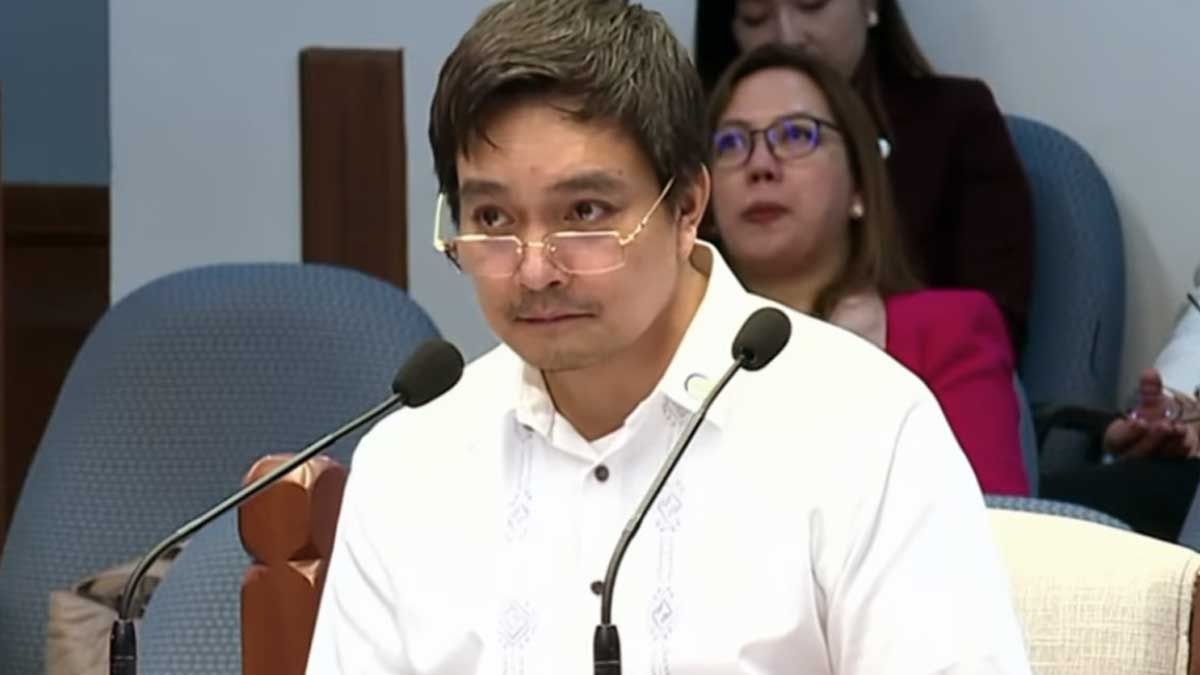
The National Bureau of Investigation has presented evidence suggesting Vice President Sara Duterte contracted someone to carry out assassinations of President Ferdinand Marcos Jr., First Lady Liza Araneta-Marcos, and former House Speaker Martin Romualdez, though the agency's own investigator acknowledged possessing no direct personal knowledge of such an arrangement. During cross-examination at Duterte's impeachment trial on July 14, NBI Regional Director Jeremy Lotoc faced pointed questioning from defence counsel Mark Vinluan about the evidentiary basis for the serious allegation, a central plank of the charges brought against the sitting vice president of the Philippines.
Lotoc, who oversaw the NBI's Crime Division investigation into Duterte's assassination remarks made during a November 23, 2024 online media briefing, sought to distinguish between eyewitness knowledge and investigative conclusions drawn from collected materials. When pressed whether he possessed personal knowledge that Duterte had hired someone to eliminate the president and his associates, Lotoc carefully responded that while the NBI believed a contract existed based on their investigation, he lacked the personal knowledge the defence lawyer was specifically probing. This distinction proved critical to the trial's proceedings, as it highlighted potential weaknesses in establishing direct culpability for such an extraordinarily serious charge in a high-stakes political proceeding.
The alleged assassination remarks formed the basis of a fourth article of impeachment filed against Duterte, making the strength of evidence presented during trial consequential for the proceedings' outcome. The investigation itself stemmed from public statements made by the vice president during a digital media engagement, making the case unusual in that the primary source material—the video containing Duterte's words—remained available for direct examination by all parties involved in the trial. This circumstance arguably complicated the prosecution's burden to prove criminal intent or specific contractual arrangements without additional corroborating evidence of direct communication or agreement between Duterte and any alleged contractor.
During testimony, Lotoc confirmed the existence of Duterte's statements in the video recording but clarified he possessed no personal knowledge regarding whether the allegations she levelled against various individuals mentioned simultaneously in that same video were factually accurate or had actually occurred. This clarification became particularly important when defence counsel sought to establish that Duterte had made multiple claims in the same address, not all of which the NBI could independently verify. The tension between confirming someone made certain utterances versus confirming those utterances accurately described real events proved central to the cross-examination's strategy and highlighted how damaging admissions could result from imprecise questioning.
Senate presiding officer Francis "Chiz" Escudero intervened repeatedly during the testimony to maintain courtroom decorum, at one point explicitly cautioning both prosecution and defence teams that the proceedings were not a "college debate," underscoring rising tensions between counsel. When private prosecutor Amando Ligutan objected to what he characterised as defence counsel twisting the witness's answers, and after Vinluan objected to Lotoc attempting to refer back to Duterte's own video remarks, Escudero demanded simplified yes-or-no responses to avoid interpretive disputes. This procedural intervention suggested the trial was navigating genuinely contested legal and evidential terrain, with technical questions about knowledge, belief, and inference carrying substantial weight in assessing such grave accusations.
When Lotoc ultimately stated he believed Duterte's video utterance about contracting an assassin based on the evidence gathered, he was essentially testifying that collected investigative materials—though not specified in detail during this particular cross-examination segment—supported the inference of such a contract. Senate President Sherwin Gatchalian subsequently challenged the evidentiary foundation by questioning what specific evidence demonstrated Duterte possessed the actual capability to execute her alleged threats. Lotoc initially pointed to Duterte's status as vice president, but Gatchalian logically countered that merely holding high office did not automatically establish capability to commit assassination.
In response to further questioning about what evidence demonstrated Duterte's capacity to carry out such threats, Lotoc invoked the international legal proceedings against Duterte's father, former President Rodrigo Duterte, at the International Criminal Court concerning alleged extrajudicial killings conducted during his administration's war on drugs campaign. The investigator reasoned that given this family background and the documented pattern of extrajudicial operations allegedly directed by her father, the current vice president possessed demonstrated capability—an argument that moved from direct evidence concerning her specific actions to circumstantial inference based on familial association and historical context. This evidentiary approach arguably represented precisely the kind of inference-heavy reasoning that defence counsel sought to contest throughout the trial.
The witness's testimony exposed fundamental tensions between investigative conclusions and courtroom proof standards in the Philippines' impeachment process. While investigators may draw inferences from collected materials and circumstantial evidence, impeachment trials—particularly those involving the constitutionally defined roles of high state officials—operate under heightened scrutiny regarding the sufficiency of evidence supporting such extraordinary accusations. The distinction Lotoc made between believing something occurred based on gathered evidence and possessing personal knowledge thereof proved legally and politically significant, suggesting the NBI's case may rest substantially on circumstantial inference rather than direct evidence of an explicit contract or agreement.
For Malaysian and Southeast Asian observers, the trial underscored how the Philippines' constitutional impeachment machinery handles allegations of presidential-level misconduct involving sitting officials. The case demonstrated that even serious charges require evidentiary foundations capable of withstanding rigorous cross-examination and that investigative agencies' conclusions, however carefully formed, do not necessarily translate into courtroom proof meeting legal standards. The impeachment process itself has become a major feature of contemporary Philippine political competition, with multiple articles targeting the sitting vice president in a deeply divided political environment involving the former president's family and their rivals in Marcos's political coalition.
The proceedings also highlighted technical legal distinctions that shaped how testimony regarding assassination plots could be presented and challenged in such proceedings. Lotoc's careful parsing of what he personally knew versus what he believed based on investigation, combined with defence counsel's insistence on narrowly confined questions and responses, suggested the trial would ultimately hinge on whether circumstantial evidence and inferential reasoning satisfied the bar for impeachment conviction. Given that impeachment represents a political rather than strictly criminal proceeding, evidentiary standards may differ from ordinary criminal prosecution, yet the gravity of allegations involving assassination plots nonetheless demanded substantial foundational support from trial evidence.

