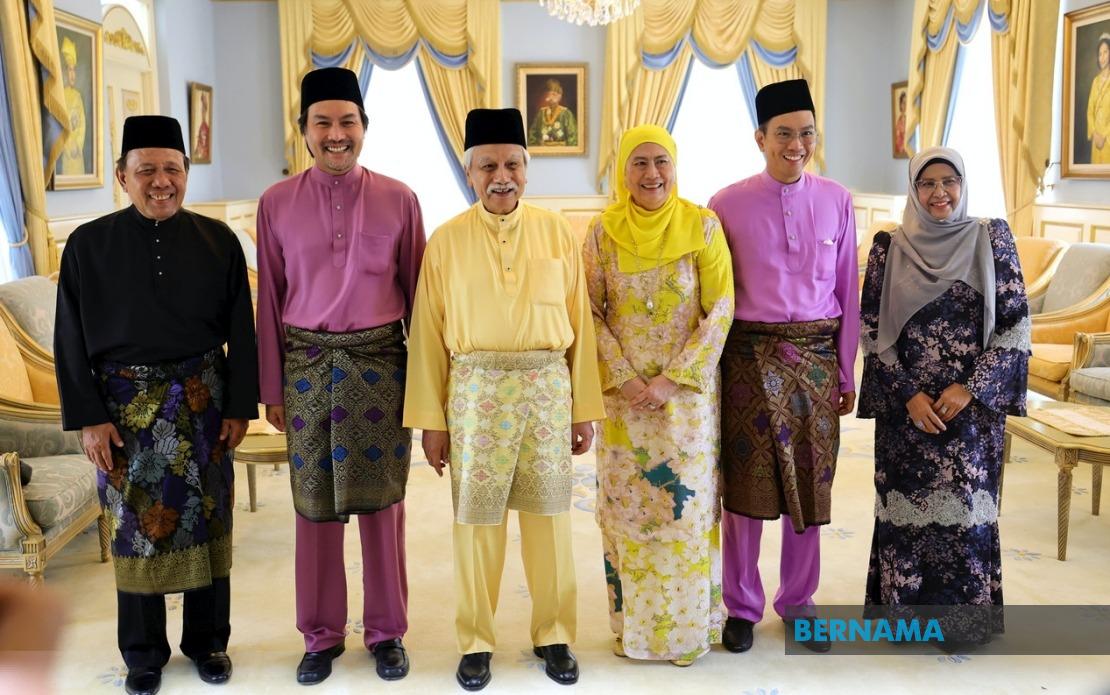
Datuk Ismail Lasim, who was sworn in as Negeri Sembilan Menteri Besar on Friday, has signalled that the composition of the state executive council will be confirmed within days. Speaking at his inaugural press conference in Kuala Pilah, Ismail indicated that the cabinet announcement is likely by the end of the week, pending formal approvals and necessary consultations with senior party figures.
The finalisation process will involve multiple layers of discussion before any formal announcement. Ismail explained that he must first consult with the Barisan Nasional leadership hierarchy to establish broad consensus on the proposed cabinet structure. Only after these conversations will the suggested lineup be submitted to Tuanku Muhriz Tuanku Munawir, the Yang Dipertuan Besar of Negeri Sembilan, for royal approval and endorsement. This follows constitutional protocol in the state, which grants the Sultan final authority over ministerial appointments.
Additionally, Ismail plans to meet with UMNO president Datuk Seri Dr Ahmad Zahid Hamidi in the coming days to discuss specific aspects of the cabinet composition. These discussions will address not only the distribution of UMNO-held portfolios but also the potentially contentious question of whether representatives from Perikatan Nasional should be included in the executive council. This consultation reflects the reality that while UMNO dominates the coalition, Zahid's approval carries political weight within party structures.
The Negeri Sembilan state election held recently produced a governing coalition with substantial parliamentary backing. Barisan Nasional secured 18 of the 36 contested seats in the State Legislative Assembly, while Perikatan Nasional won seven seats. The combined 25-seat total gives the two coalitions a commanding two-thirds majority, providing considerable stability for government formation and legislative operations. This comfortable margin allows flexibility in cabinet construction without immediate parliamentary vulnerability.
Regarding the size of the cabinet itself, Ismail suggested that a 10-member executive council would represent an appropriate scale for Negeri Sembilan's governance needs. He noted, however, that this decision remains preliminary and subject to finalisation following leadership consultations. The choice of cabinet size carries implications for portfolio distribution and the number of political figures who will receive ministerial positions, making it a consequential determination for party members anticipating appointment.
The composition of the cabinet will need to reflect the coalition's internal balance. Beyond UMMO, BN includes the Malaysian Chinese Association and the Malaysian Indian Congress as component parties, both of which hold seats in the State Legislative Assembly. Ismail acknowledged that representation from these parties would factor into cabinet construction, ensuring that the coalition's wider membership feels invested in the government's formation. This multi-party approach is standard practice for BN-led administrations across Malaysian states.
The question of Perikatan Nasional participation remains diplomatically unresolved. Ismail's intention to seek Zahid's views on this matter suggests the decision involves high-level party considerations beyond his individual authority as Menteri Besar. Perikatan Nasional's seven seats could prove strategically valuable either as coalition partners within the cabinet or as parliamentary supporters providing external backing. The outcome will likely depend on whether BN leadership perceives greater advantage in sharing executive responsibilities or maintaining exclusive control.
Ismail has already signalled his policy priorities ahead of cabinet appointments. He stressed that the welfare and well-being of the state's population will form the cornerstone of his administration's agenda. Framing this commitment as the government's fundamental obligation to an electorate that has granted it a mandate, Ismail positioned public welfare as both an immediate concern and a long-term strategic focus. This messaging sets expectations that cabinet appointments and subsequent policy initiatives should align with improving residents' living standards and access to state services.
The swift timeline Ismail has outlined reflects pressure from multiple directions. The Yang Dipertuan Besar reportedly prefers rapid resolution of the cabinet matter, allowing the government to move quickly into operational mode. Additionally, the political benefits of demonstrating decisiveness and competence in the formation process motivate the new Menteri Besar to avoid extended periods of uncertainty. Protracted negotiations over cabinet positions can generate dissatisfaction among party members excluded from appointments, potentially creating internal friction that extends into governance.
For Malaysian observers, the Negeri Sembilan cabinet formation illustrates broader dynamics within BN following recent electoral outcomes. The coalition's strategy of accommodating Perikatan Nasional through potential executive participation rather than relegating it to opposition status suggests a pragmatic approach to coalition-building in a period of competitive Malaysian politics. This flexibility contrasts with earlier rigidity and demonstrates BN's recognition that political sustainability now requires accommodation of diverse interests within the broader anti-PAS coalition framework.
The coming days will test whether Ismail's Friday deadline proves realistic. Cabinet formation negotiations frequently encounter unforeseen complications, from individual aspirants' conflicting claims to portfolio assignments or last-minute disagreements over representation ratios. Nevertheless, with both BN leadership and the Sultan's office appearing to prefer swift resolution, the momentum exists for delivering a cabinet announcement within the announced timeframe. The success or failure of this initial test will significantly shape perceptions of Ismail's governing capacity.

