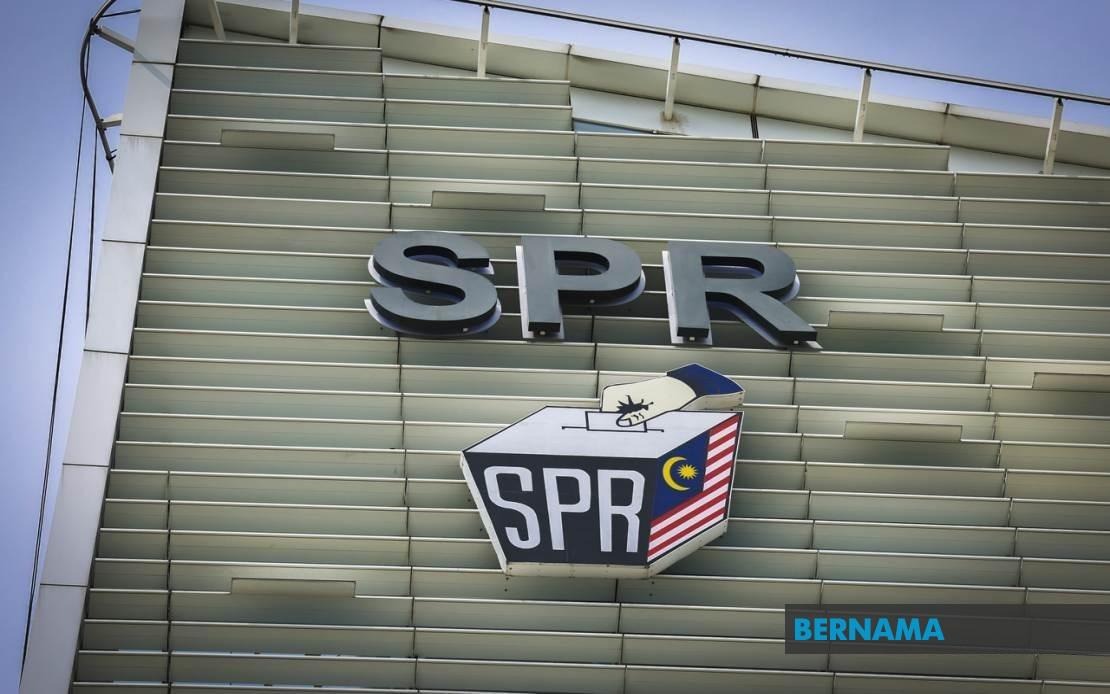
The Election Commission has begun distributing postal ballot papers for the upcoming 16th Negeri Sembilan state election, with 13,263 votes cast through the postal system ahead of polling day on August 1. The issuance, completed in Seremban on July 20, represents a significant administrative undertaking to ensure that voters unable to physically attend polling stations can still exercise their democratic rights.
According to Datuk Khairul Shahril Idrus, the EC secretary, the distribution process adhered strictly to Regulation 3 of the Elections (Postal Voting) Regulations 2003, reflecting the legal framework governing advance voting mechanisms in Malaysia. This procedural adherence is particularly important in state elections, where the regulatory environment must remain transparent and subject to scrutiny from all participating parties and candidates.
The breakdown of postal ballots reveals the diverse categories of eligible voters accessing this voting mechanism. Election officials, EC members and officers, police personnel, military personnel, and media practitioners collectively received 12,669 ballots through Form 1A—the largest category by far. This group encompasses individuals whose professional duties either directly support the electoral process or whose occupational schedules make conventional voting attendance impractical. The substantial number underscores how modern elections rely on the participation of security and administrative personnel who cannot abandon their posts during polling hours.
A further 343 ballots were issued under Form 1B to Malaysians residing abroad, representing diaspora voters who wish to maintain their political engagement despite geographical distance from their constituencies. For Southeast Asian countries with significant overseas populations, this provision acknowledges the reality that citizens working or studying abroad retain legitimate interests in domestic political outcomes. The relatively modest figure suggests that either awareness of this option remains limited among overseas communities, or many Negeri Sembilan residents abroad have chosen not to participate in state-level elections.
Securityand health sector personnel from eleven agencies received 251 ballots through Form 1C, a category that reflects recognition of frontline workers whose schedules and security considerations may prevent standard polling station attendance. Given Malaysia's experiences with emergency situations and the ongoing demands on healthcare and security personnel, this provision ensures that essential workers are not inadvertently disenfranchised by their service commitments.
The electoral framework surrounding postal voting carries implications beyond mere administrative convenience. Representatives from all 103 candidates contesting the 36 state seats—encompassing multiple political parties and independent candidates—witnessed the ballot distribution process. This transparency mechanism serves as a safeguard against allegations of irregularity and demonstrates the commission's commitment to maintaining public confidence in the voting system. In a competitive electoral environment where results often depend on narrow margins, such procedural visibility becomes crucial for legitimacy.
Voters receiving postal ballots carry specific responsibilities under Malaysian electoral law. The Identity Declaration Form, designated as Form 2, must be completed with meticulous accuracy alongside the ballot marking itself. Khairul Shahril's reminder that these completed ballots must reach returning officers by 5 pm on August 1 establishes a clear deadline that postal voters must respect. This timing constraint differs from ordinary voting, where polls remain open throughout the day, reflecting the logistical challenges inherent in collecting dispersed postal votes.
The EC has also emphasized the importance of ballot secrecy, instructing postal voters against photographing their ballots or sharing images on social media platforms. This guidance reflects contemporary electoral challenges across democracies worldwide, where the digital age creates new vulnerabilities to vote buying, coercion, and the erosion of ballot secrecy principles. The instruction carries particular weight in Malaysia, where social media penetration remains high and the temptation to document one's voting choice spans demographic groups.
The 16th Negeri Sembilan state election occurs within a specific electoral calendar that includes early voting on July 28, providing another avenue for voters unable to participate on the main polling date. This multi-layered approach to vote access demonstrates sophisticated electoral administration, though it also creates administrative complexity requiring careful coordination among EC personnel and state returning officers.
Negeri Sembilan's registered voter base of 889,490 people, as updated on June 4, 2026, establishes the broader context for postal voting significance. The 12,669 ballots issued to officials and security personnel represent approximately 1.4 percent of the total electorate, a proportion that could prove decisive in closely contested seats. The 867,151 ordinary voters, 16,884 military personnel and spouses, and 5,455 police personnel eligible to vote demonstrate the demographic composition of the state's political landscape.
For Malaysian observers and regional analysts, the postal voting process reflects how established democracies manage the practical challenge of universal suffrage amid diverse occupational and geographical constraints. The detailed procedural safeguards—from witness presence to form accuracy requirements to deadline enforcement—illustrate institutional maturity in electoral administration. As Negeri Sembilan voters prepare for early voting and August 1 polling, the postal voting infrastructure operates silently in the background, ensuring that professional obligations and geographical distance do not prevent democratic participation.
The election commission's management of postal voting also demonstrates how Southeast Asian democracies adapt their institutions to serve contemporary society. While the regulatory framework dates to 2003, its implementation in 2026 reflects ongoing adjustments to accommodate evolving voter circumstances and security requirements. For Malaysia and the broader region, maintaining accessible yet secure voting systems remains a defining feature of democratic governance.

