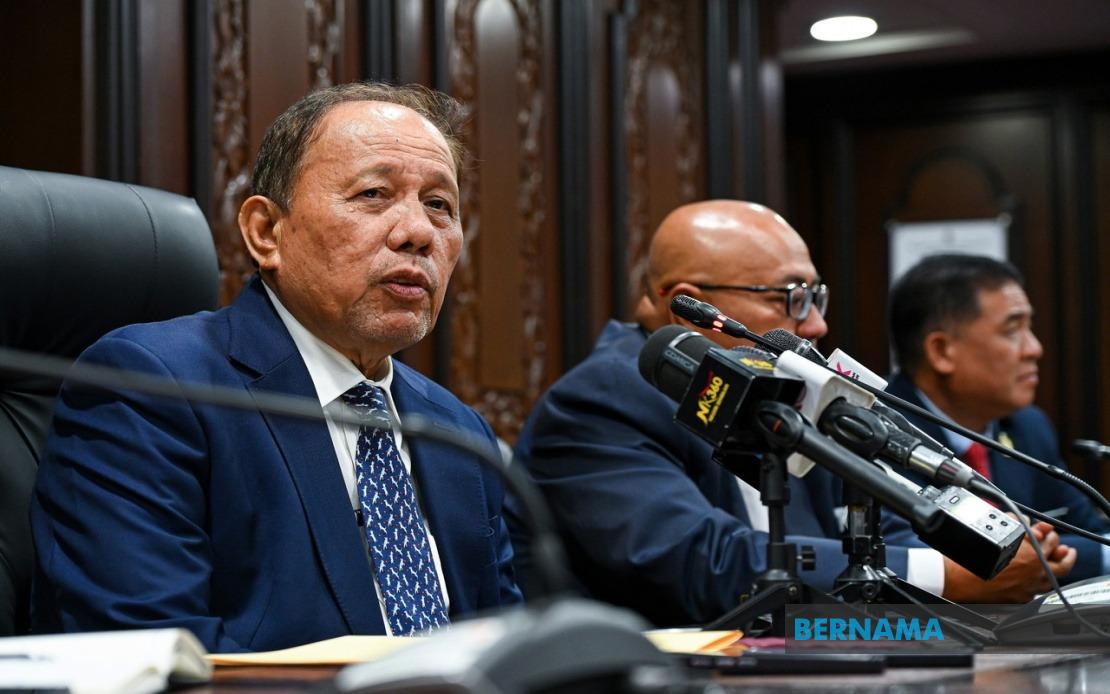
Negeri Sembilan residents will see no increase in their residential assessment tax payments for the next five years, the state's Menteri Besar Datuk Ismail Lasim declared on Saturday following a State Executive Council meeting in Seremban. The decision represents a significant concession to households in the state and reflects the administration's stated priority of reducing financial pressures on ordinary Malaysians amid a period of economic uncertainty.
Ismail justified the freeze as part of the state government's broader commitment to alleviating the burden on residents, particularly householders who have faced mounting living costs across the country. Local authorities had previously been conducting preliminary studies into raising assessment tax rates, with implementation expected either in January or July of this year. The timing of the announcement comes just weeks after the recent 16th Negeri Sembilan State Election, suggesting the decision aligns with campaign promises made to voters during that electoral contest.
The Menteri Besar explained that while the assessment tax itself will remain in place—meaning properties will still be assessed and the existing tax obligation continues—no upward adjustments to rates will occur throughout the five-year period. This distinction is important for Malaysian property owners, as it distinguishes between the elimination of the tax entirely and the maintenance of the status quo on pricing. The announcement appears designed to provide predictability for household budgeting, allowing families and homeowners to plan their finances without unexpected increases in municipal charges.
The freeze is positioned explicitly as fulfilling a commitment from the Barisan Nasional coalition's election manifesto for the Negeri Sembilan state poll. This framing underscores how assessment tax policy has become a tangible political issue in Malaysian state politics, with ruling coalitions using tax restraint as a visible demonstration of responsiveness to voter concerns. For Negeri Sembilan, which encompasses areas including Seremban, Port Dickson, and Kuala Pilah, the policy affects tens of thousands of residential property owners across urban and suburban zones.
Beyond the assessment tax announcement, Ismail outlined the immediate priorities for his new administration. The First Special Session of the 16th Negeri Sembilan State Legislative Assembly is scheduled for August 18, marking the formal commencement of parliamentary procedures under the newly elected representatives. During this session, all state assemblymen will be sworn in, establishing the full composition of the legislature and formally recognizing the electoral results delivered on election day.
Two key positions will be filled during the legislative opening. The Speaker role will be appointed from candidates outside the State Legislative Assembly membership—a constitutional arrangement that allows the state government to select someone with parliamentary experience or administrative expertise who need not hold a seat. The Deputy Speaker position, by contrast, must be filled by an existing state assemblyman, ensuring that at least one of these senior parliamentary officers maintains direct accountability to legislative colleagues. Ismail indicated that the administration has already identified candidates for both roles, though final confirmation of the Speaker appointment remains pending internal deliberation.
The Menteri Besar revealed that a Deputy Speaker candidate has been selected and will be announced within the coming week, suggesting some flexibility in the timeline for completing these institutional arrangements. This phased announcement approach may reflect ongoing negotiations between coalition partners or final consultations within the cabinet. The additional budget to be tabled during the August 18 session will address immediate state financing needs, indicating the government's intent to expedite funding for priority initiatives early in its term.
Ismail's remarks to his executive council emphasize the administrative philosophy he intends to instill across the state government apparatus. He stressed that all Exco members must execute their duties with dedication, integrity, professionalism, and commitment—language that suggests an emphasis on accountability and clean governance. This framing reflects broader Malaysian political discourse around administrative standards, particularly given recent national discussions about government transparency and performance.
The Menteri Besar also articulated an expectation of coordinated teamwork across his cabinet, with each executive council member taking clear ownership of their portfolio while ensuring that subordinate departments and agencies remain strategically aligned with government objectives. This emphasis on vertical alignment and horizontal coordination suggests an administrative structure designed to minimize interdepartmental friction and ensure consistent policy implementation. For a state government managing multiple municipalities and countless regulatory functions, such structural clarity could improve efficiency in service delivery.
The decision to freeze assessment tax rates carries implications extending beyond Negeri Sembilan itself. As Malaysian states and local authorities grapple with aging infrastructure and rising service costs, the tension between maintaining revenue streams and limiting household tax burdens remains acute across the country. Negeri Sembilan's approach—maintaining existing tax bases while restraining rate increases—may become a template that voters in other states reference when evaluating their own state governments' tax policies.
For property owners in Negeri Sembilan, the immediate benefit is straightforward: confirmed fiscal predictability over five years. Households can budget with confidence that municipal assessment charges will remain constant, a minor but meaningful advantage in an environment where utility costs, transportation expenses, and food prices have all experienced upward pressure. Over the longer term, however, questions about infrastructure adequacy and local government financing will inevitably resurface when the five-year freeze expires.
The assessment tax freeze represents a carefully calibrated political choice: visible relief for residents achievable within the state government's discretionary authority over local government policy, without requiring significant budgetary reallocation or subsidy programs. It exemplifies how Malaysian state governments attempt to demonstrate responsiveness to constituents through targeted interventions in taxation and fees, leveraging the specific levers of control available to state-level administrations in Malaysia's federal system.

