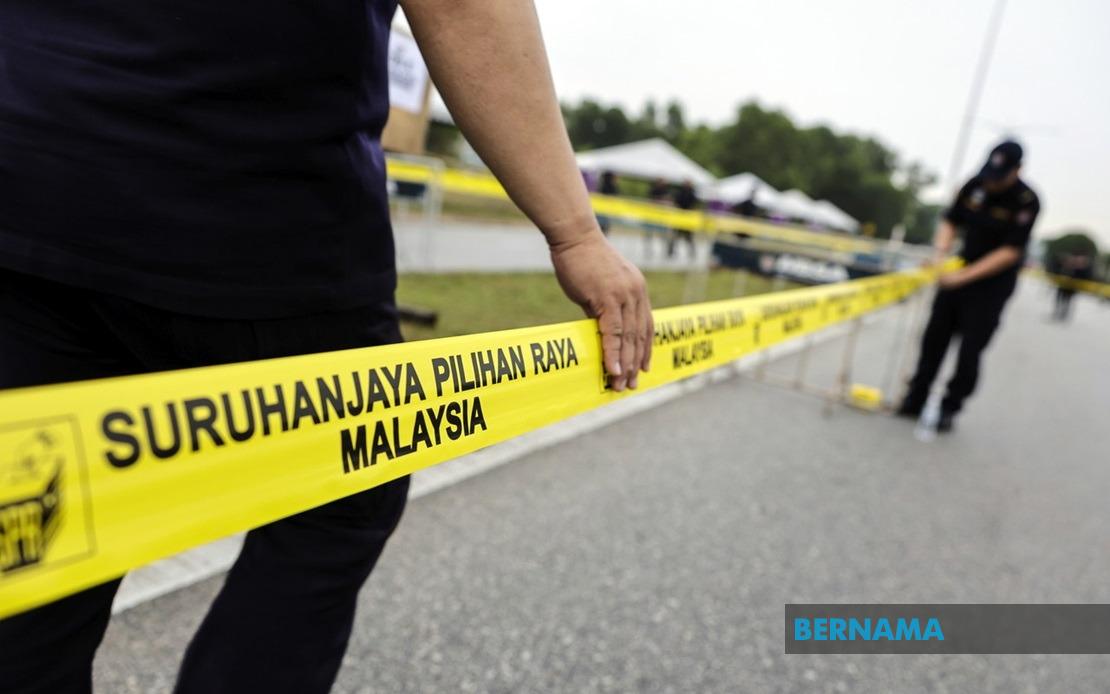
The upcoming nomination day for Negeri Sembilan's 16th state election is expected to deliver mixed meteorological conditions, with morning sunshine gracing most of the state before afternoon showers roll in. The Malaysian Meteorological Department has issued a detailed weather advisory ahead of July 18, when eight nomination centres across the state will open to register candidates. While the forecast suggests generally favourable conditions for the nomination process, voters, candidates, election officials and campaign supporters should prepare for potential afternoon disruptions.
According to MetMalaysia director-general Dr Mohd Hisham Mohd Anip, five districts will experience fine weather throughout the morning hours. Jelebu, Jempol, Kuala Pilah, Rembau and Tampin are all expected to remain dry and clear during the critical early hours when nominations are officially submitted. This is particularly significant given that the nomination window runs only from 9 am to 10 am, meaning these areas should see minimal weather interference during the actual submission period. However, Port Dickson and Seremban, both significant population centres, are forecast to experience rain, potentially affecting foot traffic and logistics in these urban nomination centres.
The afternoon outlook indicates a more widespread shift in atmospheric conditions. Thunderstorms are anticipated to develop across most districts as afternoon progresses, a common pattern during Malaysia's monsoon season. Yet Dr Mohd Hisham provided reassuring context about the intensity and duration of these expected showers. The anticipated rainfall will likely manifest as brief, passing showers rather than the sustained heavy downpours that sometimes accompany tropical storms. This distinction matters considerably for election operations, suggesting that afternoon thunderstorms will not significantly disrupt the announcement of confirmed candidates by returning officers or necessitate changes to the election timeline.
Temperature conditions will remain consistent with typical mid-July weather patterns across the peninsula's interior regions. Minimum temperatures are forecast between 23 and 24 degrees Celsius, while maximum temperatures should climb to between 32 and 33 degrees Celsius. These temperature ranges indicate that despite afternoon storms, the overall heat and humidity will remain relatively standard for the monsoon period, though participants should remain hydrated during the nomination process. The meteorological department has advised all stakeholders—candidates, supporters, election workers, and the general public—to monitor the official MetMalaysia website and social media channels for real-time weather updates throughout nomination day.
The weather forecast arrives as Negeri Sembilan prepares for its first state election since 2018, with the state assembly's dissolution on June 5 officially setting the electoral machinery in motion. The Election Commission has scheduled July 28 for early voting by military personnel, their spouses, and eligible police officers, with the general election scheduled for August 1. The Negeri Sembilan State Legislative Assembly comprises 36 seats, making this a moderately sized state contest that nonetheless carries significant implications for the broader political landscape of Peninsular Malaysia.
Three major political coalitions have already announced their participation and seat allocations. Pakatan Harapan has committed to contesting all 36 seats, with PKR fielding 16 candidates, DAP presenting 11, and Amanah putting forward nine. This coordinated, full-slate approach demonstrates confidence among the coalition's components. Barisan Nasional has adopted a more selective strategy, contesting 25 seats through its traditional component parties: UMNO fielding 16 candidates, MCA offering seven, and MIC contributing two. This partial contest suggests BN is either consolidating resources or making deliberate electoral calculations about winnable terrain.
Perikatan Nasional has announced an 11-seat challenge, distributing candidates across five parties. PAS, the coalition's dominant component, will field five candidates, while Parti Wawasan Negara contributes four. Gerakan and the Malaysian Indian People's Party will each present single candidates. Beyond these major coalitions, several smaller parties have indicated intentions to participate. Parti Orang Asli Malaysia, Parti Sosialis Malaysia, and Parti Barisan Jemaah Islamiah Se-Malaysia have each announced one-candidate contests, providing voters with additional options beyond the established coalition frameworks.
Bersatu, once a significant player in Malaysian politics, was expected to announce its candidate list later on July 17, suggesting the party's participation remains uncertain or undecided until the final announcement. This delayed declaration contrasts sharply with the clarity from larger coalitions and may reflect internal deliberations about strategy or resource allocation. The complete candidate roster will only become apparent following the official announcements by returning officers after the 10 am closure of nomination submissions.
The electoral register for this contest encompasses 889,490 eligible voters, a substantial bloc for a state-level election. Of these, 867,151 are ordinary voters eligible to vote on August 1. An additional 16,884 voters comprising military personnel and their spouses, along with 5,455 police personnel, qualify for early voting on July 28. This distribution means that approximately 4.8 percent of eligible voters will cast ballots through the early voting mechanism, a significant portion that election administrators must manage efficiently on July 28.
For Malaysian observers monitoring state-level politics, the Negeri Sembilan election assumes importance beyond its local significance. The state serves as a barometer for coalition fortunes and shifting voter preferences, particularly given its demographic diversity and historical role as a swing region. Results will provide insights into whether PH's unity strategy of full-slate contests gains voter endorsement, whether BN's selective approach yields returns, and whether PN can establish meaningful foothold in a peninsular heartland state. The weather on nomination day may seem inconsequential compared to substantive campaign messages, yet logistics matter in elections—smooth nomination procedures facilitate efficient campaign preparations for all contenders.
As nomination day approaches, the forecast of predominantly fine morning conditions with afternoon thunderstorms presents a manageable scenario for electoral operations. The brief, passing nature of anticipated showers should not materially impede either the morning nomination window or afternoon confirmation procedures. Candidates, supporters, and election officials are advised to remain weather-aware while proceeding with full confidence that meteorological conditions will not necessitate postponements or rescheduling. The true tests will come during the three-week campaign period and ultimately on August 1, when Negeri Sembilan's voters will render their verdict on the competing visions presented by Pakatan Harapan, Barisan Nasional, Perikatan Nasional, and smaller challengers.

