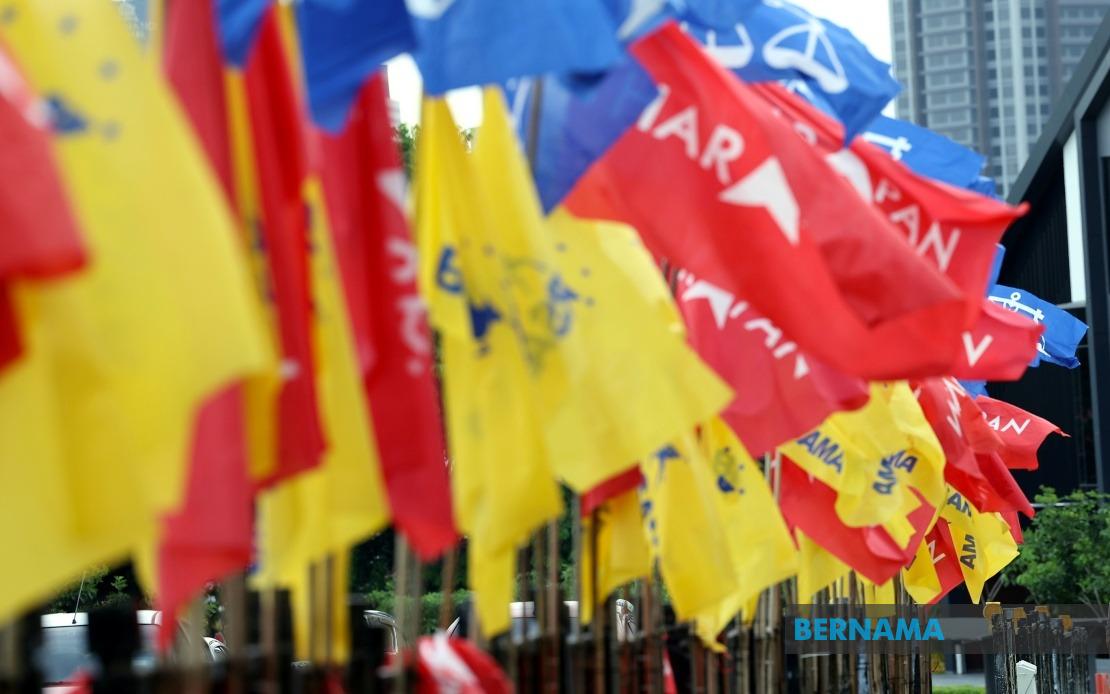
Police in Negeri Sembilan have given the green light to 19 applications for ceramah and campaign-related gatherings as the state prepares for its 16th legislative assembly election on August 1. The permits, which were submitted beginning July 18, have all cleared the approval process after meeting mandatory requirements set by law enforcement. Datuk Alzafny Ahmad, the state police chief, confirmed the authorizations in a statement released from the state capital Seremban, signalling that organizers of these political events have satisfied the necessary conditions to proceed.
The approval of these permits represents a routine but important phase in the electoral process, as political parties and candidates prepare to mobilize supporters across the state. Each approved event will now proceed with police oversight embedded throughout its duration. Alzafny underscored that while the force supports democratic activities, every political gathering will remain subject to continuous scrutiny to guarantee compliance with legislation and to safeguard the broader interests of public security and social stability. This balanced approach reflects the delicate equilibrium that electoral authorities must maintain between facilitating political participation and maintaining civic order during contested campaigns.
The overall security landscape in Negeri Sembilan appears stable as the election approaches. The police chief reported that the state has experienced a calm environment throughout the lead-up to polling day, with law enforcement characterizing the situation as well-managed and under their command. In terms of enforcement action, authorities have processed only a single police report related to electoral matters, and notably, no formal investigation dockets have been initiated in connection with election offences. This relatively low level of incident is encouraging for a state in the midst of a heated political contest.
Negeri Sembilan's 36-member State Legislative Assembly was dissolved on June 5, following standard protocols that triggered the scheduling of the election machinery. The Election Commission established July 28 as the date for early voting, allowing those unable to vote on the main polling day to cast their ballots in advance. The primary election day was set for August 1, giving voters across the state a defined window within which to exercise their franchise. The interval between dissolution and polling day provides sufficient time for candidates and parties to conduct their campaigns while allowing the election apparatus to prepare comprehensively for the management of the voting process.
Alzafny's remarks on enforcement carry particular weight given the responsibility that law enforcement carries during electoral periods. He pledged that police will maintain elevated levels of readiness, vigilance and regulatory action throughout the remainder of the campaign season and on polling day itself. This commitment reflects the recognition that elections, while fundamental democratic exercises, require professional management to prevent disorder or malpractice. The police chief made clear that any infringement of electoral law or related statutes would face decisive action, applied with consistency and without favour to any political faction.
The police chief's call for public cooperation points to a wider recognition that electoral integrity depends on behaviour by citizens themselves, not merely on enforcement by authorities. Alzafny urged residents to respect applicable laws, embrace the democratic process with genuine commitment, and work constructively with police officers deployed in polling stations and campaign venues. This messaging frames the election not as an adversarial confrontation but as a shared civic responsibility in which all participants, including government, political parties, candidates, and voters, have roles to play in maintaining the legitimacy and peacefulness of the outcome.
For Malaysian observers and regional analysts, Negeri Sembilan's relatively orderly election trajectory offers a useful gauge of the health of electoral management in the peninsula. The state has long been considered a competitive political battleground where multiple parties contest seriously, making its ability to organize elections smoothly a meaningful indicator of institutional capacity. The low number of recorded election-related incidents and the straightforward approval of campaign permits suggest that the machinery of democratic governance is functioning without apparent friction at this preliminary stage.
The context of Negeri Sembilan's election also reflects broader patterns in Malaysian state-level politics. With the 36-seat assembly composition, the election will likely determine the direction of state administration, making the stakes tangible for residents and politicians alike. Campaigns typically intensify in the weeks immediately preceding polling day, and the approval of 19 permits indicates that organisers are already ramping up their efforts to reach voters through structured public meetings. These ceramah events remain a conventional vehicle through which political messaging reaches communities, particularly in areas where digital penetration may be uneven.
The police's emphasis on monitoring and compliance deserves closer examination when considered against regional developments. Southeast Asia has witnessed occasional instances of electoral tension or security lapses during state and national contests. By contrast, the Malaysian system's reliance on permit requirements, police oversight, and transparent enforcement guidelines appears designed to channel political activism into regulated pathways. Whether this approach ultimately strengthens or constrains democratic expression remains a matter of scholarly and political debate, but the mechanism itself is now well-established in Negeri Sembilan and across the peninsula.
Looking ahead, the days between now and August 1 will test whether the current stability persists as campaigns crescendo and partisan temperatures potentially rise. The police force's preparedness statements and the absence of significant incidents to date suggest they are approaching their electoral responsibilities with professional seriousness. For Negeri Sembilan voters, the framework now in place—combining regulatory approval for political activities, responsive law enforcement, and appeals for civic responsibility—establishes the conditions within which the democratic choice will unfold on polling day.

