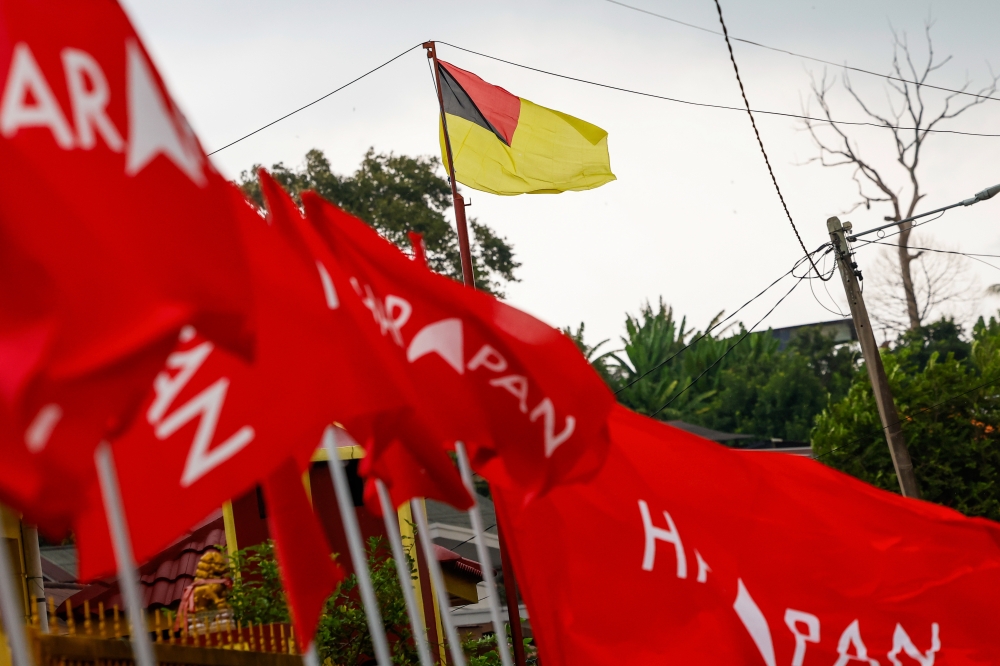
The Royal Malaysia Police's Negeri Sembilan division has launched parallel investigations into two separate incidents of property damage suspected to be linked to election-related mischief, underscoring growing concerns about campaign conduct and the vandalism of public and private assets during electoral periods in the state.
The decision to open dual investigation papers reflects police commitment to addressing electoral misconduct comprehensively, particularly when it extends beyond conventional campaign violations into the realm of criminal property destruction. Such incidents, occurring during heightened political activity, often generate public concern about the safety of community assets and the boundaries of acceptable political behaviour. The timing and nature of these investigations suggest authorities are taking a firmer stance on individuals or groups who resort to destructive tactics under the guise of political engagement.
Negeri Sembilan, a state historically characterised by competitive electoral contests, has experienced periodic incidents of campaign-related disruptions. Property damage linked to election activities—whether through banner placement disputes, graffiti, or deliberate destruction—represents a category of electoral misconduct that bridges administrative violations and criminal law. Police involvement at this level indicates the incidents in question have crossed thresholds that warrant formal investigation rather than informal resolution.
The dual investigations suggest authorities may be examining incidents at different locations or involving different parties, potentially indicating a pattern of similar behaviour during the same electoral window. Pattern recognition in electoral misconduct allows law enforcement to identify whether isolated incidents reflect broader campaigns of intimidation or disruption, or whether they represent sporadic acts by uncoordinated individuals. This analytical approach helps determine appropriate enforcement responses and whether preventive measures should be enhanced for future electoral periods.
Property damage during elections carries particular significance in Malaysia's political context, where community cohesion and respect for public assets remain integral to social stability. When voters witness campaign-related destruction in their neighbourhoods, confidence in electoral processes and institutions can diminish, even when the damage itself is relatively minor. Police investigations signal to the public that such behaviour carries consequences, reinforcing norms of civilised political competition and discouraging emulation by other groups.
The investigation framework in such cases typically examines several dimensions: identifying responsible parties, establishing intent versus recklessness, determining whether political motivation exists, assessing damage extent, and evaluating whether organised coordination was involved. Each of these factors influences both the severity of charges that might eventually be filed and the public message about standards expected during electoral campaigns. Negeri Sembilan police's decision to open separate papers suggests they may pursue distinct legal pathways depending on evidence emerging from each inquiry.
From a Southeast Asian perspective, Malaysia's approach to electoral misconduct investigations reflects regional trends toward stronger enforcement against campaign violations. While neighbouring countries employ varying mechanisms—from electoral commissions to police—the consistent thread across established democracies involves taking destructive conduct seriously rather than dismissing it as traditional campaign roughhousing. This convergence reflects evolving norms about what constitutes acceptable political participation in maturing democracies.
For Negeri Sembilan's political community, these investigations carry reputational implications. Parties and candidates whose supporters face allegations of property-damaging behaviour may experience voter backlash or internal discipline. Conversely, political actors who demonstrate commitment to ethical campaigns can distinguish themselves through explicit messaging about respecting community property and engaging exclusively in lawful activities. The investigations thus create incentives for self-regulation within political structures.
The investigation papers also indicate Negeri Sembilan police have received formal complaints and possess sufficient preliminary evidence to justify opening cases, suggesting these were not minor or unsubstantiated allegations. Typically, police require some corroborating information—witness statements, photographic evidence, or security footage—before committing investigative resources. The decision to proceed formally demonstrates complainants' willingness to involve authorities and police assessment that matters warrant official attention.
Looking forward, these investigations may influence how subsequent electoral campaigns unfold in Negeri Sembilan, potentially encouraging stricter internal party oversight of supporter activities and more visible security presence around campaign assets. Political parties might institute training for workers and supporters about lawful conduct boundaries, recognising that individuals acting under party banners reflect on organisational reputation. Such preventive approaches often prove more effective than post-incident investigation and prosecution.
The broader implications extend to electoral administration more generally in Malaysia. Authorities managing elections nationwide monitor investigations in individual states for patterns suggesting systemic problems requiring national-level intervention. Persistent issues in particular jurisdictions might prompt electoral commission policy adjustments or enhanced training for enforcement personnel. Conversely, successful investigations demonstrating capability and impartiality strengthen public confidence in electoral integrity.
As investigations progress, transparency about findings and eventual outcomes will significantly influence public perception. Detailed disclosure of investigative methods, evidence examined, and charges ultimately filed—consistent with privacy protections and operational security—helps assure voters that electoral misconduct faces genuine consequences irrespective of political affiliation. This consistency in enforcement standards remains essential for maintaining faith in Malaysia's democratic institutions and establishing credible deterrents against future electoral mischief.

