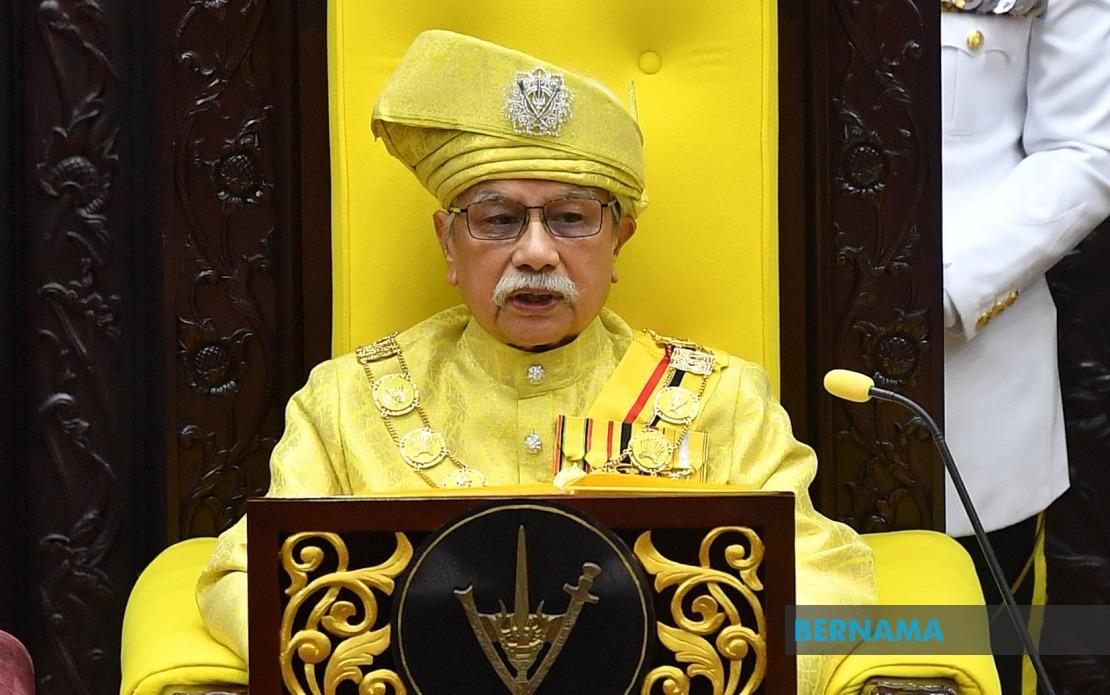
The Yang Dipertuan Besar of Negeri Sembilan, Tuanku Muhriz Tuanku Munawir, will preside over a formal royal audience ceremony this Saturday at Istana Besar Seri Menanti to recognise the selection of Hassan Ab Hamid, 67, as the 22nd Undang of Luak Rembau. The decision represents a significant moment in the governance structures of Negeri Sembilan, where hereditary leadership roles in the nine divisions, or luaks, remain intertwined with royal acknowledgment and centuries-old customary protocols.
Tunku Besar Seri Menanti, Tunku Ali Redhauddin Tuanku Muhriz, communicated the royal consent during a meeting with the Datuk-Datuk Adat of Rembau at the palace in Kuala Pilah. The formal ceremony, known as Istiadat Menghadap Menjunjung Duli Bagi Menyempurnakan Kejadian Undang Luak Rembau, will mark the culmination of months of deliberation following the death of the previous Undang, Datuk Lela Maharaja Datuk Muhamad Sharip Othman, who passed away on May 15, 2024, at the age of 83.
The selection of Hassan Ab Hamid proceeded entirely through the Adat Perpatih system, a distinctive customary framework unique to Negeri Sembilan that governs succession and leadership appointments within each luak. According to Datuk Juan Datuk Zulkipli Shamsudin, chairman of the Kerapatan Buapak Delapan ceremony for the Biduanda Nan Dua Carak customary clan, the process adhered rigorously to established procedures and the collective judgment of adat leaders. This methodical approach reflects the democratic underpinnings of traditional Minangkabau governance, which has shaped Negeri Sembilan's institutional arrangements since the state's founding.
A crucial distinction underscores the relationship between the Yang Dipertuan Besar and the Undang within Negeri Sembilan's constitutional framework. Datuk Zulkipli emphasised that under Adat Perpatih, an Undang is not appointed unilaterally by the ruler but emerges through community-driven customary processes specific to each luak. The Yang Dipertuan Besar's role is essentially ceremonial and validating—receiving delegations when they seek audience and conferring formal recognition upon decisions already reached through traditional channels. This distinction carries historical weight, as it preserves the autonomy of adat institutions from executive discretion, a principle that has governed Negeri Sembilan for centuries.
The clarification issued by adat leaders addresses potential misunderstandings about royal prerogatives in state governance. In Malaysia's federal structure, where Negeri Sembilan holds a unique position among the nine states with its distinctive Adat Perpatih inheritance and leadership systems, such explanations serve an important function in public discourse. The statement that the Yang Dipertuan Besar does not summon, choose, or appoint individuals unilaterally reinforces the principle that customary institutions retain genuine deliberative authority, independent of modern state structures. This separation of powers within the traditional domain reflects a sophisticated institutional design that has weathered nearly two centuries of British colonial rule and subsequent constitutional evolution.
For Malaysian observers and students of constitutional law, the Undang selection process offers insights into how pre-colonial governance frameworks persist and function within contemporary democratic systems. Unlike the more centralised sultanate structures prevalent in other Malaysian states, Negeri Sembilan's nine Undangs collectively form the Council of Rulers, which selects and advises the Yang Dipertuan Besar. This horizontal distribution of authority among adat leaders contrasts sharply with vertical hierarchies elsewhere, creating a system where royal legitimacy itself depends on recognition by customary institutions. The installation ceremony this weekend exemplifies this enduring interdependence.
Hassan Ab Hamid's ascension to the office of Undang represents continuity with a long chain of leadership within Rembau's luak, or territorial division. The position carries administrative, ceremonial, and custodial responsibilities for adat traditions within the division, encompassing matters from land customs to cultural observances. As the 22nd Undang, he assumes stewardship of adat practices that govern everything from inheritance procedures to dispute resolution mechanisms still employed by residents in rural and semi-urban communities. The installation therefore transcends mere symbolic recognition; it confers functional authority rooted in centuries of acceptance and practice.
The timing of Saturday's ceremony holds contemporary significance as Negeri Sembilan navigates broader questions about the preservation and relevance of customary institutions in modern Malaysia. As urbanisation and interstate migration accelerate, the continued vitality of adat systems depends partly on transparent adherence to traditional procedures and clear articulation of how customary law interfaces with state and federal authority. The public explanation by adat leaders regarding the selection process demonstrates a commitment to demonstrating legitimacy through established protocols, forestalling potential disputes or challenges to Hassan Ab Hamid's selection.
Regionally, Negeri Sembilan's distinctive governance model offers a potential model for other Southeast Asian societies grappling with questions of how to integrate customary institutions into modern nation-states. The peaceful alternation of Undangs through established procedures, without rancour or constitutional crisis, suggests that traditional mechanisms can function effectively when respected and properly understood. For Malaysian policymakers and legal scholars, the episode underscores the importance of distinguishing between ceremonial royal roles and substantive customary authority—a nuance often lost in public discussion but vital to institutional legitimacy.
The royal audience on Saturday will formalise what adat leaders have already determined and the community has ostensibly accepted. In this sense, Tuanku Muhriz's presence and formal acknowledgment provide constitutional validation to a decision already rooted in customary legitimacy. The ceremony represents the fusion of two overlapping authority structures—the modern Malaysian state and the enduring adat systems—united in recognition of Hassan Ab Hamid's leadership of Rembau. For residents of the luak and observers of Negeri Sembilan's governance, the event affirms that traditional institutions remain vital components of the state's institutional fabric, operating according to principles and procedures that predate the modern nation-state itself.

