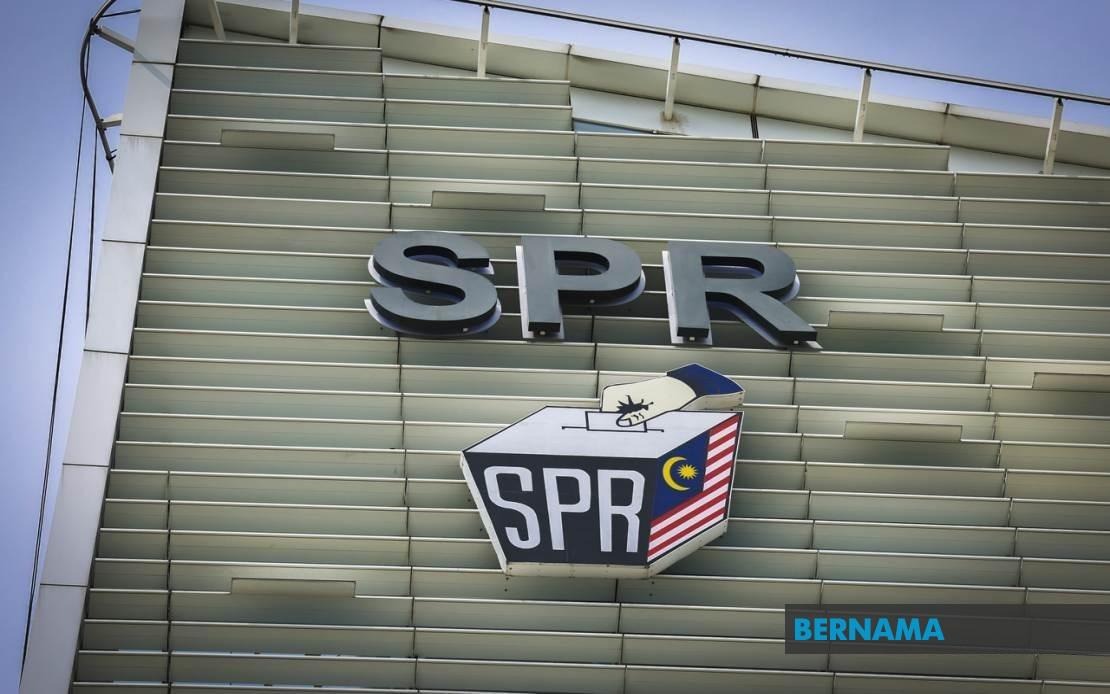
The race for control of Negeri Sembilan's State Legislative Assembly enters its decisive phase tomorrow when nomination day transforms the electoral landscape across eight centres throughout the state. With nearly 900,000 eligible voters and 36 contested seats, the contest represents a significant test of political strength for Malaysia's major coalitions just over a year after the 2023 state elections reshaped the peninsula's political map.
Prospective candidates have a narrow window to lodge their nomination papers between 9 am and 10 am tomorrow, after which returning officers will announce the complete roster of eligible contestants. This marks the formal commencement of a structured 14-day campaign period, allowing political parties precisely two weeks to mobilise supporters before voters head to polling stations on August 1. Early voting has been scheduled for July 28, providing voters unable to participate on election day an alternative opportunity to cast their ballots.
Pakatan Harapan has adopted an aggressive posture by committing to contest every single seat available across the state. The coalition's structure reflects its established division of labour: PKR will field 16 candidates, positioning itself as the largest contributor to PH's slate, while DAP provides 11 candidates and Amanah rounds out the coalition with nine nominees. This comprehensive approach signals PH's determination to build upon its 2023 performance, when it emerged as the state's largest bloc with 17 seats.
Barisan Nasional has adopted a more selective strategy, fielding candidates in 25 of the 36 contests. UMNO comprises the backbone of this effort with 16 candidates, while coalition partners MCA and MIC contribute seven and two respectively. The gap between BN's 25 nominations and PH's complete slate reflects the historical challenge that has confronted Barisan Nasional across multiple peninsular state elections, particularly as voter preferences have increasingly fragmented across multiple competing coalitions.
Perikatan Nasional's configuration demonstrates the evolving complexity of Malaysia's coalition politics. The bloc will contest 11 seats through a framework that highlights both stability and flux within its ranks. PAS provides the coalition's largest contingent with five candidates, while component parties Gerakan and the Malaysian Indian People's Party each field one candidate. Most notably, Parti Wawasan Negara, PN's newest addition, is making its electoral debut by contesting four seats, signalling the coalition's ongoing efforts to broaden its appeal beyond its traditional support base.
Bersatu's decision to contest independently rather than under the PN umbrella represents a significant complication within what should be a unified opposition-leaning bloc. The party's announcement that it will use its own logo rather than the PN symbol, with its candidate list expected to be unveiled on nomination day itself, introduces unpredictability into the electoral calculus. This move reflects the fractious relationship between Bersatu and other PN components, particularly PAS, raising questions about whether this independent approach will fragment anti-government votes or strengthen Bersatu's position.
The emergence of smaller parties adds additional texture to what might otherwise appear a three-way contest. Parti Orang Asli Malaysia and Parti Sosialis Malaysia will each field a single candidate, while Parti Barisan Jemaah Islamiah Se-Malaysia has indicated it will contest seven seats. Notably, three smaller coalitions—MUDA, Pejuang, and Bersama—have confirmed they will not participate, suggesting either strategic calculations about viability or explicit agreements not to fragment their respective support bases.
The eligible voter roll reflects Negeri Sembilan's moderate population base within the Malaysian electoral context. The Election Commission reports 889,490 eligible voters comprising 867,151 ordinary voters, with military personnel and their spouses accounting for 16,884 and police personnel and spouses totalling 5,455. These latter categories, though numerically smaller, can prove decisive in closely contested seats, particularly in constituencies where security forces maintain significant residential presence or where campaign margins prove narrow.
For Malaysian observers, the Negeri Sembilan contest carries implications extending beyond the state itself. As a mid-sized state with a moderate voter population, the result will provide a crucial barometer of shifting electoral preferences among peninsular voters. The state's position within UMNO's traditional heartland—Tuanku Muhriz Tuanku Munawir, the Yang Dipertuan Besar, dissolved the assembly on June 5—makes the performance of Barisan Nasional particularly significant for assessing whether the coalition can recover ground lost since 2020's political upheaval.
The 2023 result provides the benchmark against which observers will measure movement. Pakatan Harapan's 17-seat majority, combined with BN's 14 and PN's five, created a clear hierarchy that nonetheless left room for significant volatility. Whether that 2023 arrangement will hold, strengthen, or collapse remains the central suspense driving tomorrow's nomination process and the campaign that follows.
Weather forecasters have warned of generally fair conditions across most of the state Saturday morning, with the exception of Port Dickson and Seremban, where rain is expected. Afternoon thunderstorms are predicted statewide, presenting logistical considerations for returning officers managing nominations and for early-arriving campaign operatives preparing their ground operations. These meteorological details, while seemingly routine, can affect voter participation and campaign momentum across the 14-day period preceding election day.

