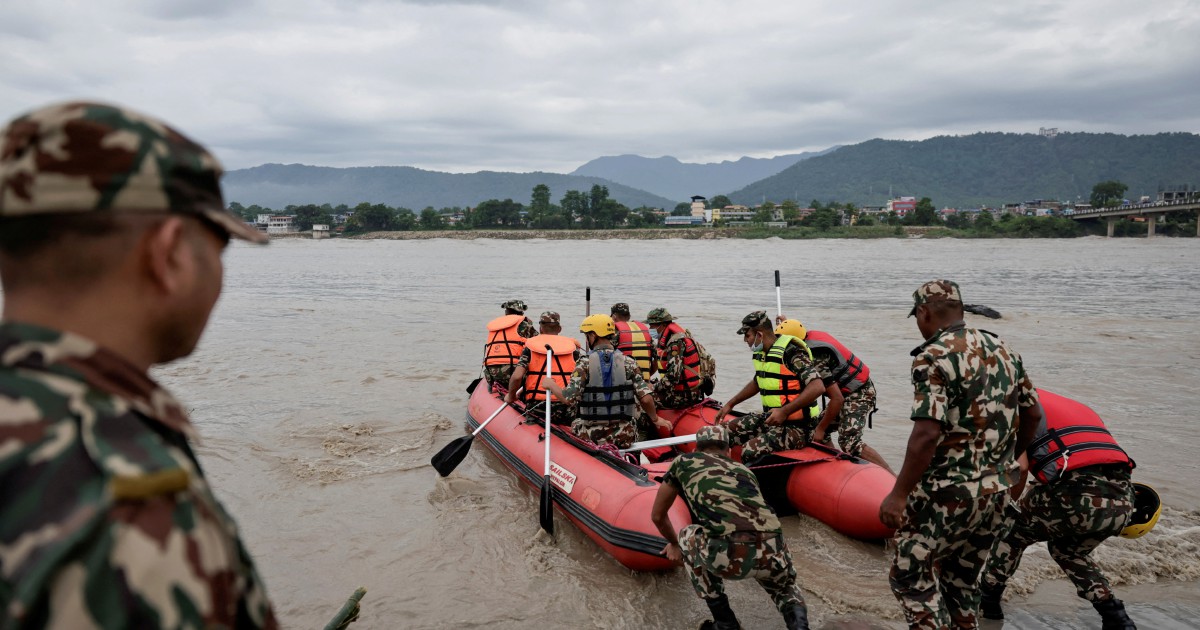
Nepal is grappling with a catastrophic natural disaster of unprecedented proportions, leaving government officials struggling to establish a complete picture of the devastation unfolding across the nation. Prime Minister Balendra Shah has characterised the ongoing flood crisis as both unimaginable and deeply heartbreaking, underscoring the gravity of the situation confronting the Himalayan nation. The flooding has already claimed hundreds of lives, whilst thousands of people remain missing as emergency responders work desperately to locate survivors across affected regions.
The scale of the humanitarian emergency has overwhelmed Nepal's capacity to respond swiftly, with authorities still in the early stages of conducting comprehensive damage assessments. The uncertainty surrounding the precise number of casualties reflects the chaotic conditions prevailing in flood-affected areas, where communication infrastructure has been severely compromised and access roads remain impassable in many locations. Officials have acknowledged that the true toll of the disaster will likely emerge over the coming days and weeks as search and rescue operations penetrate deeper into remote mountain communities.
Such catastrophic flooding represents a recurring threat for Nepal, a nation where monsoon weather systems and mountainous terrain combine to create conditions prone to landslides, flash floods, and widespread inundation. The country's geographical vulnerability—situated along major river systems that originate in the high Himalayas—means that extreme weather events can rapidly transform into national emergencies affecting millions. Previous flooding episodes have demonstrated Nepal's structural challenges in disaster preparedness, with limited early warning systems and underdeveloped evacuation infrastructure in many rural districts.
For regional observers and policymakers in Southeast Asia, Nepal's crisis carries sobering implications. The disaster underscores the mounting climate-related risks confronting the broader Asian continent, where monsoon patterns and glacial melt in the Himalayas create interconnected challenges affecting water security and flooding across multiple nations. Countries including Bangladesh, which lies downstream of major river systems originating in Nepal, remain vulnerable to cascading effects from such mountainous disasters.
The immediate humanitarian challenge demands urgent international coordination and material assistance. Nepal's emergency services, constrained by budgetary limitations and geographical obstacles, require substantial external support to conduct rescue operations, provide medical care to the injured, and deliver food and shelter to displaced populations. The Prime Minister's statement reflects both the emotional weight of the crisis and the recognition that domestic resources alone cannot address a disaster of this magnitude.
Searching through debris-strewn landscapes, rescue teams face immense difficulties in recovering survivors and recovering bodies. Monsoon conditions frequently worsen during crisis response periods, making helicopter operations treacherous and hindering ground transportation to isolated settlements. The flooding has severed communication links and destroyed infrastructure in critical areas, creating information vacuums that complicate coordinated response efforts and accurate casualty reporting.
The economic dimensions of this disaster will reverberate throughout Nepal's development trajectory for years ahead. Beyond immediate loss of life and injury, the floods destroy homes, agricultural land, and critical infrastructure. Communities already struggling with poverty face additional hardship as they confront reconstruction needs and economic disruption. The destruction of crops during peak growing seasons compounds food security concerns for vulnerable populations.
Nepal's experiences with disaster management provide instructive lessons for other developing nations facing similar climate vulnerabilities. The flooding highlights persistent gaps between theoretical disaster preparedness frameworks and practical implementation on the ground, particularly in ensuring that early warning systems reach remote populations and that evacuation routes genuinely function when crises unfold. Investment in resilient infrastructure remains inadequate across much of the country.
International humanitarian agencies have begun mobilising resources to respond to appeals from the Nepali government, though the coordination challenge remains formidable. Delivering assistance across mountainous terrain during adverse weather requires logistical sophistication that many aid organisations struggle to achieve. The window for rescue operations remains open but narrow, as survival rates diminish with each passing day for those trapped beneath debris or isolated by floodwaters.
The psychological trauma experienced by survivors and bereaved families will compound the visible physical destruction. Communities have witnessed the destruction of multi-generational homes and the loss of relatives, experiences that create long-term mental health burdens alongside material reconstruction needs. Nepal's limited mental health infrastructure will face unprecedented demand in the crisis aftermath.
As recovery operations unfold, policymakers must confront difficult questions about Nepal's long-term adaptation strategies. Climate change projections suggest that extreme weather events will intensify rather than diminish, necessitating fundamental shifts in how the nation approaches urban planning, agricultural practices, and infrastructure development. Building climate resilience requires sustained investment and international partnership.
The disaster also underscores regional interdependencies in South Asia. Nepal's water systems affect downstream nations, while monsoon patterns themselves reflect broader climatic trends affecting the entire subcontinent. Effective disaster response in the contemporary era requires transnational cooperation and shared commitment to understanding how environmental challenges transcend political boundaries.

