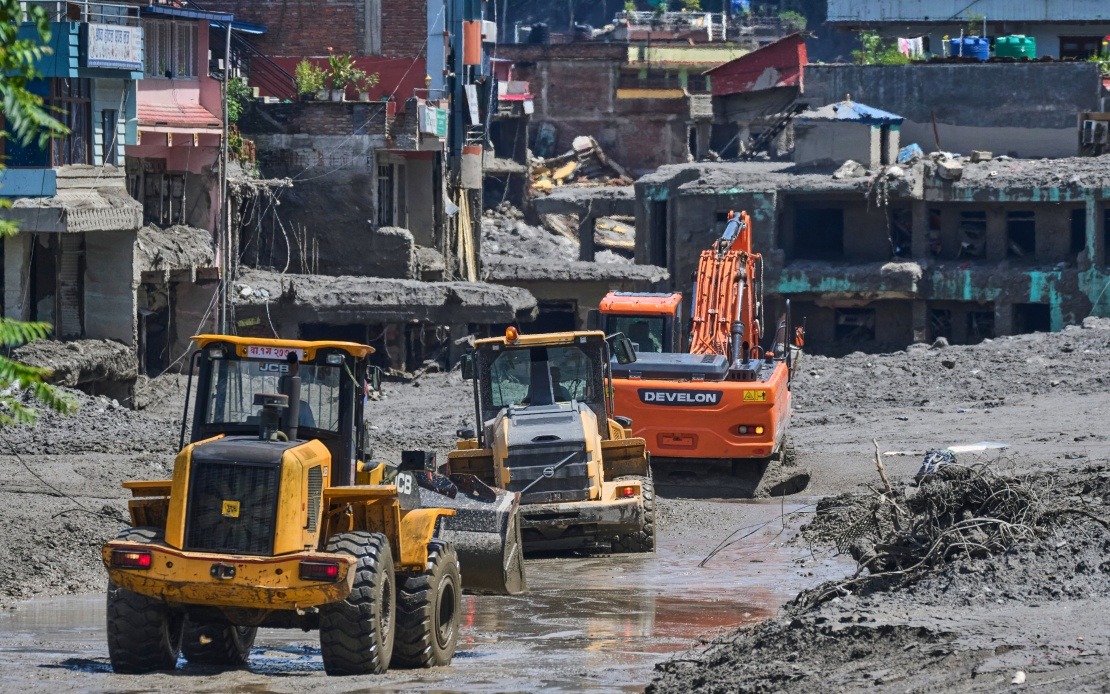
Nepal's government has elevated search and rescue operations to its highest priority following a devastating flood that struck the Bhote Koshi River on Wednesday, according to a statement from the Embassy of Nepal in Kuala Lumpur released Thursday. The disaster has inflicted severe casualties and widespread destruction across infrastructure and residential areas, leaving authorities racing against time to locate survivors and assess the full human and material toll across affected regions.
The catastrophic flooding has disproportionately impacted four districts in central Nepal: Rasuwa, Nuwakot, Dhading and Gorkha. These mountain districts, vulnerable to seasonal water surges due to their proximity to major river systems and challenging terrain, have borne the brunt of the inundation. Local government officials and emergency responders have been mobilised to these areas, where the combination of rugged topography and damaged access roads has complicated relief distribution and rescue coordination efforts.
The Office of the Prime Minister and Council of Ministers has initiated a coordinated national response, coordinating between security agencies, local authorities and humanitarian organisations. Search teams continue systematic operations to locate missing persons, while simultaneously providing immediate medical assistance and temporary shelter to those rescued from floodwaters. The dual challenge of ongoing rescue operations whilst gathering comprehensive casualty and damage assessments reflects the scale of the emergency unfolding across the affected zones.
Recognising the strain on national resources, Nepal's government has opened formal channels for international humanitarian assistance. The Prime Minister's Disaster Relief Fund and Prime Minister's Relief Fund have been designated as the official repositories for financial contributions aimed at supporting the affected population. These funds are specifically earmarked for enabling the safe relocation of displaced residents and funding the substantial rehabilitation and recovery programmes that will be necessary in the disaster's aftermath.
The Embassy of Nepal in Kuala Lumpur has made a direct appeal to Nepali diaspora communities residing in Malaysia to mobilise support for their counterparts affected by the disaster. This outreach extends beyond ethnic Nepali populations to encompass Malaysian businesses with interests in Nepal, social welfare organisations, and individual philanthropists positioned to contribute resources during this critical period. The diplomatic mission has positioned itself as a coordination hub for channelling assistance from the Malaysian region to affected communities.
Donations from Malaysia can be directed through two primary banking channels. The Rastriya Banijya Bank has established dedicated accounts for disaster relief (account numbers 1130100003762001 and 1130100000006006), whilst Nepal Bank Limited operates separate accounts (account numbers 00211600510039000003 and 00200100510039000001) for the same purpose. The embassy's social media platforms have published comprehensive banking details alongside QR code payment options, facilitating seamless digital transfers from Malaysian contributors unfamiliar with Nepal's banking infrastructure.
The disaster underscores the persistent vulnerability of Himalayan communities to hydrological catastrophes. Climate variability, glacial melt patterns and seasonal monsoon intensity have rendered river systems across Nepal increasingly prone to sudden flooding events. The Bhote Koshi, which flows through densely populated valleys connecting Nepal's interior to its southern plains, represents a particular risk corridor where rapid discharge can overwhelm warning systems and evacuation protocols.
For Malaysian readers with personal or professional connections to Nepal, the flooding represents a humanitarian reminder of regional interdependence and the need for cross-border solidarity during natural disasters. Malaysia's own experience with annual monsoon-related flooding provides valuable perspective on disaster preparedness and recovery methodologies that could inform mutual support arrangements between Southeast Asian nations and South Asian neighbours. The appeal for international assistance reflects not merely financial need but also the potential for knowledge-sharing regarding flood management and community resilience building.
The unfolding situation in Nepal also carries implications for regional stability and cross-border coordination. Transnational river systems linking Nepal, India and Bangladesh mean that flooding in Nepal can have downstream effects on Indian territories and flood-prone regions of Bangladesh. Coordinated warning systems and humanitarian logistics become essential when natural disasters transcend political boundaries. The early mobilisation of Nepal's government response apparatus suggests lessons may have been absorbed from previous flooding events that caused regional humanitarian complications.
The Embassy of Nepal's proactive engagement with diaspora communities and international partners represents a modern approach to disaster diplomacy. By leveraging networks of Nepali expatriates and sympathetic foreign organisations, Kathmandu is attempting to supplement insufficient domestic financial resources with international capital. This strategy recognises that disaster relief increasingly operates within globalised frameworks where transnational communities provide crucial humanitarian bridges between crisis zones and potential contributors.
For Malaysian policymakers and civil society organisations, Nepal's flood crisis offers a timely case study in rapid response coordination and international relief mobilisation. As climate impacts intensify across South and Southeast Asia, the capacity to rapidly activate cross-border assistance mechanisms becomes increasingly valuable. Malaysia's experience hosting multiple diaspora communities means the country possesses infrastructure and expertise for channelling international humanitarian aid—capabilities that could be systematised for regional benefit during future catastrophes affecting neighbours.

