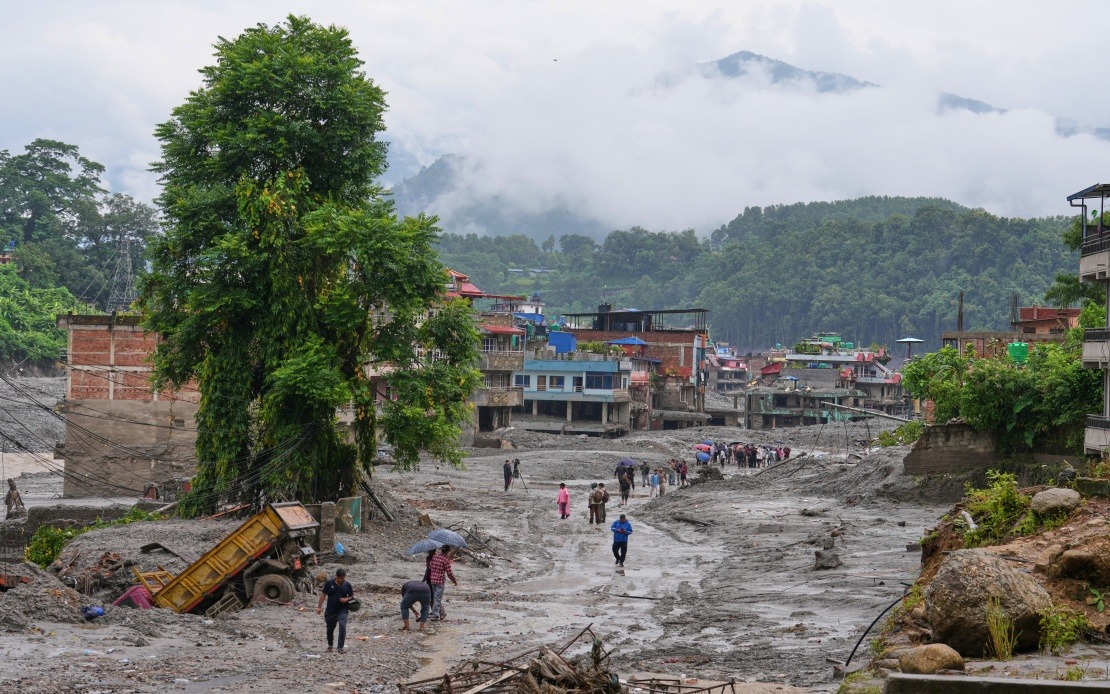
Nepal faces a mounting humanitarian catastrophe following devastating mudslides that have claimed 675 lives and left nearly 2,500 people unaccounted for, according to figures released by the National Disaster Risk Reduction and Management Authority. The scale of the calamity became clearer on Saturday evening as recovery teams continued their grim work across multiple districts in the Kathmandu Valley region and surrounding areas.
The disaster has created particular anxiety for the international community, with tourism authorities confirming that 753 foreign visitors lost contact during the mudslides as of Saturday afternoon. Among these missing tourists, 589 are foreign nationals representing dozens of countries, many of whom had been trekking or visiting Nepal's renowned mountain destinations. The loss of such significant numbers of overseas visitors underscores both the indiscriminate nature of the disaster and the challenges faced by search and rescue teams in accessing remote mountainous terrain where many tourists were stranded.
Three districts have borne the brunt of the calamity: Rasuwa, Nuwakot and Dhading, all located north and east of Kathmandu. These areas, popular with both local and international trekkers, were particularly vulnerable to the mudslides due to their steep topography and the concentration of settlements in river valleys. The sudden onset of the disasters appears to have given residents and visitors little time to flee to safety, contributing to the high casualty figures now being reported by authorities.
For Malaysia and other Southeast Asian nations with citizens present in Nepal, the situation carries immediate implications. Many Malaysians regularly visit Nepal for trekking expeditions and tourism, making the potential involvement of our nationals a matter requiring urgent diplomatic attention. The scale of missing persons—far exceeding the confirmed death toll—suggests that rescue operations remain fluid and that the true extent of casualties may not be fully known for days or weeks as recovery efforts continue in difficult terrain.
The Kathmandu District Administrative Office has issued a coordinated emergency appeal to various community organizations, businesses and individuals throughout the capital to mobilize relief supplies for the affected areas. This public call for assistance reflects the urgency of the humanitarian response required and suggests that official government channels alone may be insufficient to meet the immediate needs of survivors. The appeal specifically targets Rasuwa, Nuwakot and Dhading districts, indicating that these areas have been cut off or severely hampered in their ability to obtain basic necessities through normal channels.
Disasters of this magnitude strain Nepal's institutional capacities considerably. While the National Disaster Risk Reduction and Management Authority is coordinating the official response, the reliance on public appeals for relief supplies indicates the scale of destruction and the likely disruption to supply chains and infrastructure in affected areas. For neighbouring countries like India and for regional organizations, this may trigger requests for cross-border humanitarian assistance, medical supplies and technical expertise in rescue operations.
The mudslide disaster also raises important questions about infrastructure vulnerability in the Himalayan region, where climate patterns and geography conspire to create recurring hazards. Nepal, like other South Asian nations, has experienced increasing frequency of extreme weather events and geological disasters in recent years. This incident will likely reignite debates about development planning in mountainous areas, construction standards and early warning systems across the region.
For the tourism sector, which provides vital foreign exchange earnings for Nepal's economy, the disaster represents a significant setback. Beyond the immediate tragic loss of life and the traumatic experiences of survivors, the incident will inevitably affect tourist arrivals and investor confidence in Nepal's tourism infrastructure for months to come. International tour operators will likely reassess safety protocols and itineraries, potentially shifting business to competing destinations in the region including Bhutan and other Southeast Asian countries.
The international response is already mobilizing, with embassies in Kathmandu coordinating with their foreign ministries to account for missing nationals and organize evacuation or assistance operations. The large number of foreign tourists involved means that Nepal's government will face scrutiny over disaster preparedness and safety measures, particularly regarding how resorts, tour companies and local guides manage risks during peak season. Regional governments and international humanitarian organizations will be monitoring Nepal's response capacity closely, as the lessons learned may apply to similar vulnerabilities across the Himalayas and Southeast Asia.

