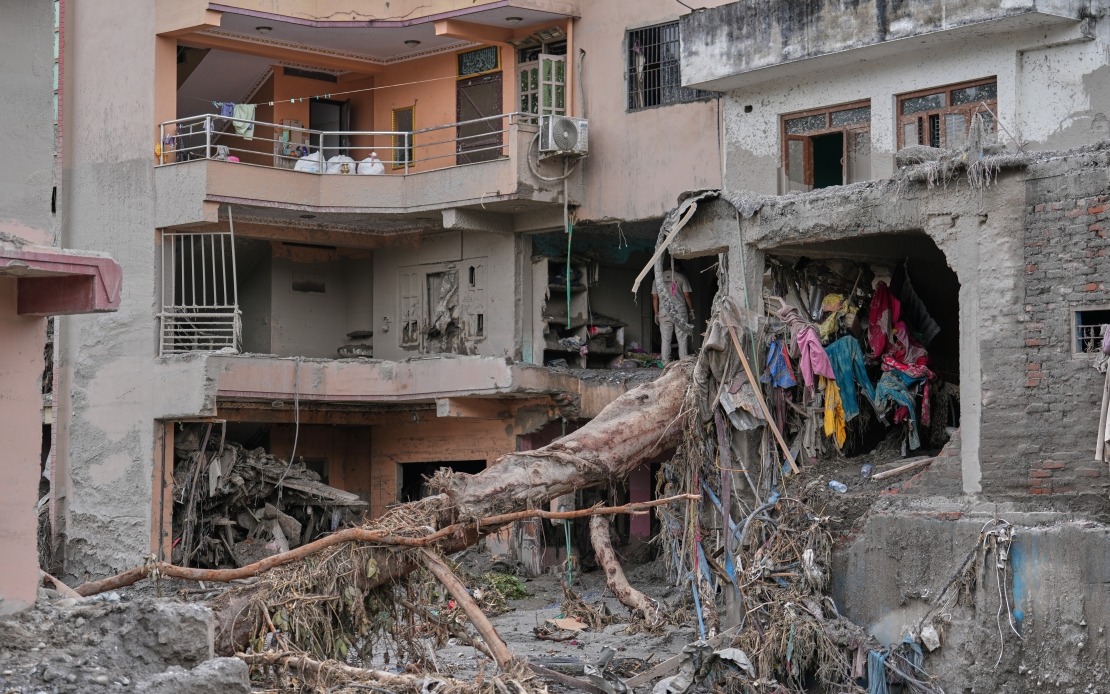
Nepal faces an enormous humanitarian challenge following catastrophic flooding that struck the Bhotekoshi River on August 26, with authorities now implementing protocols to preserve genetic evidence from hundreds of unidentified victims. Prime Minister Balendra Shah outlined the government's approach in a statement released Saturday evening, indicating that DNA samples and other identifying markers would be systematically collected and stored from bodies that cannot be immediately identified, thereby maintaining the possibility of future identification and allowing families to eventually claim and properly lay to rest their loved ones.
The scale of the disaster across Nepal's central regions remains staggering. Recovery operations have yielded 675 bodies so far, spread across a wide geographic area that encompasses eight districts: Rasuwa, Dhading, Nuwakot, Chitwan, Tanahun, Gorkha, Nawalparasi East, and Nawalparasi West. The flooding's reach demonstrates how the Bhotekoshi River's fury extended far beyond the initial impact zone, with disaster management teams working across multiple locations simultaneously to recover remains and provide emergency assistance to survivors and displaced populations.
The immediate aftermath of such flooding events typically creates enormous logistical and emotional complications for authorities and affected families. When hundreds of bodies are recovered in rapid succession, identification becomes exceedingly difficult, particularly when remains are damaged by water, debris, and the trauma of flooding. The Nepalese government's decision to preserve DNA evidence reflects international best practices in disaster management and represents a compassionate recognition that many families may not have immediate closure but deserve the opportunity for eventual identification and dignified burial practices.
For Southeast Asian nations including Malaysia, Nepal's approach carries significant implications. The region faces increasing vulnerability to severe weather events and flooding, as demonstrated by regular monsoon-related disasters across Thailand, Cambodia, Indonesia, and other neighbouring countries. Nepal's systematic preservation of genetic evidence offers a potentially valuable model for how governments can balance the urgent need to manage mass casualties with the longer-term imperative of providing families with answers and enabling proper funeral rites according to local customs and religious traditions.
The logistics of preserving DNA samples at scale present considerable technical challenges that developing nations often struggle to manage. Nepal must establish secure storage facilities, maintain chain-of-custody documentation, train personnel in proper collection and preservation procedures, and coordinate with international partners if domestic laboratory capacity proves insufficient. The government's commitment to this process indicates recognition that resources and expertise must be allocated not just to immediate rescue and recovery operations, but to the more prolonged work of victim identification that may extend months or years after the initial disaster.
The psychological toll on families searching for missing relatives cannot be overstated. In flooding disasters, some bodies may never be recovered, while others become impossible to identify through traditional means. The preservation of DNA evidence offers hope, however distant, that technological advances in the coming years might enable identification of remains that currently seem anonymous. This approach respects both the dignity of the deceased and the emotional needs of bereaved families who seek definitive answers about their relatives' fates.
Natural disasters in mountainous terrain like Nepal's present distinctive recovery challenges compared to flooding in lowland areas. The Bhotekoshi River corridor's geography means bodies may be scattered across difficult-to-access terrain, swept far downstream, or buried under debris and mud. Recovery teams require specialized equipment, extensive coordination between different agencies, and sometimes support from international rescue organizations. Each of these factors complicates the identification process and underscores why systematic collection of DNA evidence becomes essential rather than supplementary.
The international community recognizes that mass casualty events demand sophisticated response frameworks that balance immediate humanitarian needs with longer-term victim identification requirements. Nations in Southeast Asia would be wise to examine Nepal's protocols and consider whether their own disaster management systems include comparable provisions for preserving biological evidence. Regional cooperation on disaster preparedness could include sharing technical expertise, establishing regional DNA databases for identification purposes, and developing standardized procedures that can be rapidly deployed across borders if necessary.
Nepal's experience also highlights the strain that major disasters place on governmental institutions, particularly in countries where health infrastructure and forensic capacity may already face resource constraints. The decision to systematically preserve DNA evidence implies that the government recognizes the need for sustained institutional commitment beyond the immediate crisis phase. This reflects mature disaster management thinking that acknowledges how recovery operations extend far beyond initial rescue efforts and require resources and attention for extended periods.
The identification process itself will unfold gradually as families submit DNA samples for comparison and as genetic analysis proceeds. International organizations and forensic experts typically work alongside local authorities to manage this process, ensuring that identifications are accurate and that families receive definitive confirmation rather than presumptive conclusions. For Nepal, this represents work that will occupy resources and personnel for months or potentially years, serving as a sobering reminder of the disaster's enduring human consequences long after headlines fade.

