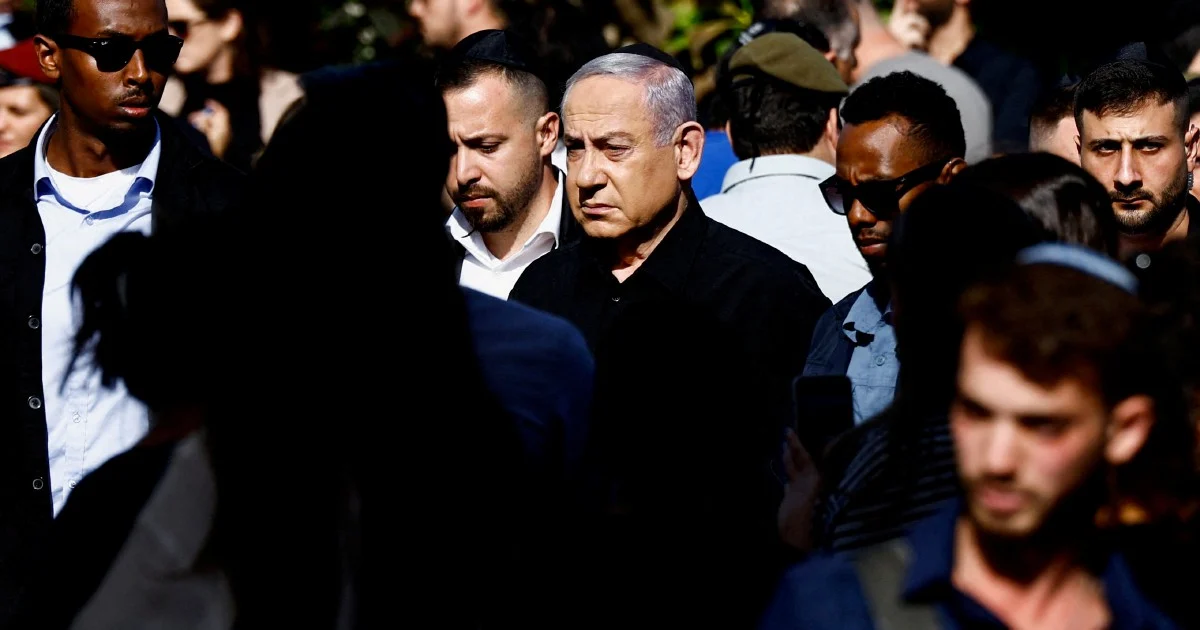
Israeli Prime Minister Benjamin Netanyahu has completed his testimony across his corruption trials, according to a spokeswoman from the justice ministry on Wednesday, marking a significant juncture in legal proceedings that have shadowed his political tenure. The conclusion of Netanyahu's personal testimony represents a transition point in cases that have subjected the Israeli leader to sustained judicial scrutiny, even as he navigates broader geopolitical challenges that threaten to reshape the regional security architecture.
The timing of Netanyahu's courtroom appearance underscores the precarious balance the Israeli government maintains between domestic legal obligations and international diplomacy. While the prime minister has been defending himself against charges of bribery, fraud, and breach of trust—allegations he has consistently denied—developments on the international stage have intensified pressure on his administration. The convergence of these internal and external pressures reflects the complexity of governance during periods of both institutional accountability and heightened regional vulnerability.
Israel's political establishment has expressed considerable alarm regarding ongoing negotiations between the United States and Iran over nuclear arrangements. Jerusalem views these diplomatic initiatives with deep apprehension, as they are widely perceived to offer Tehran a pathway to sanctions relief without sufficiently constraining its nuclear ambitions or military capabilities. For Israeli security strategists, any agreement perceived as lenient toward Iran represents a fundamental threat to national security, particularly given Iran's explicit antagonism toward Israel and its extensive support for regional proxy forces.
The distinction between what the Israeli government considers legitimate security concerns and what other international actors frame as pragmatic diplomacy has become increasingly pronounced. Israel's leadership maintains that any nuclear arrangement must impose stringent restrictions on Iranian enrichment activities, robust verification mechanisms, and severe penalties for non-compliance. The apparent divergence between these Israeli requirements and the direction of American negotiations has generated significant anxiety within both governmental and security establishment circles.
Netanyahu's legal battles have occupied considerable political capital throughout his tenure, creating a situation where the prime minister simultaneously operates as the country's chief executive while defending himself in court. This extraordinary circumstance has no parallel in Israeli history, raising constitutional questions about the separation of powers and the proper functioning of democratic institutions under such strain. The completion of his testimony signals movement toward resolution in at least the formal testimonial phases, though verdicts remain distant.
The corruption charges against Netanyahu encompass allegations spanning his previous tenure as finance minister and Jerusalem mayor, as well as during his current service as prime minister. These cases involve accusations that he allegedly received gifts, favorable media coverage, and business advantages in exchange for providing regulatory favors and government contracts to wealthy associates. Netanyahu's legal defense team has systematically challenged the evidence presented by prosecutors, arguing that the charges rest on flimsy foundations and represent a politically motivated persecution of the prime minister.
Israeli society remains deeply divided regarding Netanyahu's guilt or innocence, with public opinion frequently reflecting broader ideological and political fault lines. Supporters contend that the legal prosecution constitutes a dangerous assault on a legitimately elected leader, while critics argue that no individual, regardless of political status, should receive preferential treatment under the law. This polarization extends beyond the courtroom, influencing electoral politics, coalition negotiations, and the country's broader social cohesion.
For Malaysia and Southeast Asian observers, Netanyahu's simultaneous grappling with domestic legal jeopardy and regional security threats offers instructive parallels regarding governance during institutional crises. The region has witnessed comparable situations where political leaders have faced concurrent legal challenges while managing external threats, raising questions about institutional resilience and the proper balance between accountability and executive effectiveness. The manner in which Israel's judicial system continues operating independently despite the political prominence of the defendant provides one perspective on institutional strength.
The Iranian nuclear question carries implications that extend well beyond Israeli-Iranian bilateral relations. The entire regional security architecture—encompassing Arab Gulf states, Turkey, and broader international alignments—hinges partly on the trajectory of nuclear negotiations. Any agreement that fundamentally alters the strategic balance inevitably reverberates through Southeast Asia's own security environment, particularly regarding its relationships with both American and Chinese spheres of influence, as well as broader non-proliferation concerns that affect regional stability.
Netanyahu's completion of his courtroom testimony allows legal proceedings to advance toward evidentiary conclusions, though the path toward verdicts remains protracted. Meanwhile, his government continues engaging with Washington regarding nuclear diplomacy, attempting to influence American negotiating positions through diplomatic channels and public statements. The intersection of these competing demands on the Israeli prime minister's attention and political capital illustrates the extraordinary challenges facing democratic leaders when navigating simultaneously through multiple institutional crises.