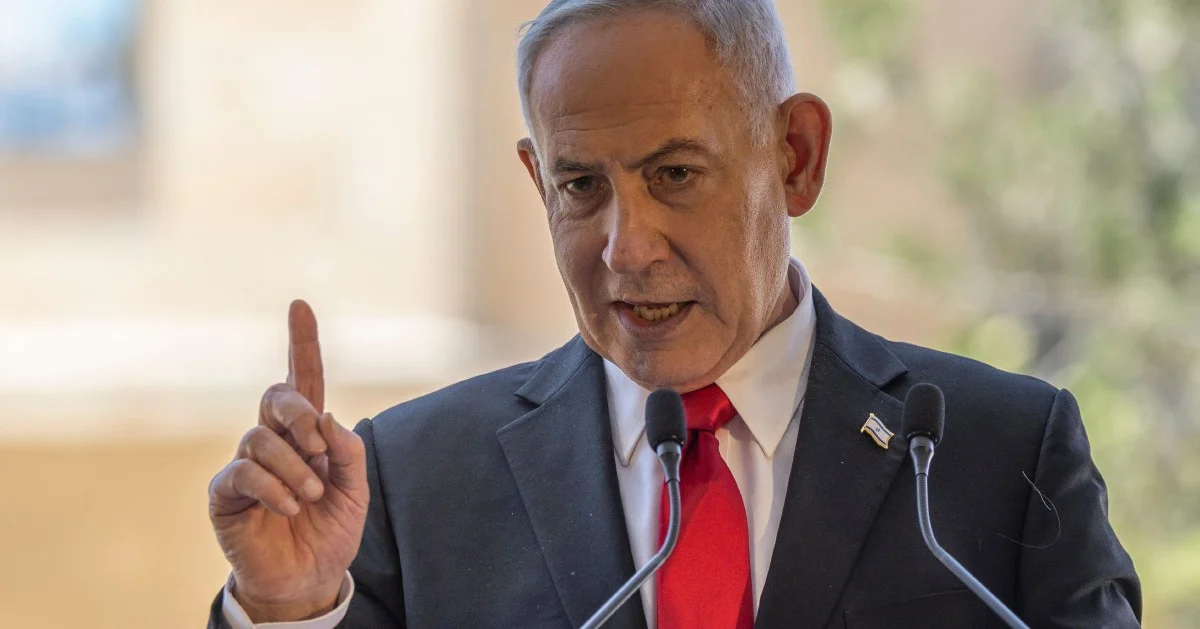
Prime Minister Benjamin Netanyahu's government is mounting an aggressive legislative campaign to pass a slate of controversial bills before Israel's parliament dissolves in the coming days, a move that has ignited fierce criticism from opposition parties and civil society groups across the political spectrum.
The timing of this legislative push comes as the Knesset prepares to wind down operations ahead of national elections scheduled roughly four months away. Political analysts suggest the administration's rush to enact measures now reflects strategic calculations about what may be achievable during a transition period, when parliamentary procedures are typically more fluid and public attention is often divided.
The specific measures being advanced cover a range of contentious policy areas that have long divided Israeli society. While the source materials do not enumerate each bill in detail, observers note that such legislative packages during pre-election periods often address issues that prove difficult to resolve through normal parliamentary processes, either because they lack broad consensus or carry significant political risk for individual lawmakers.
Opposition figures have characterized the government's approach as problematic on multiple grounds. Critics argue that rushing significant legislation during a transitional phase, when the full parliament is not operational and public scrutiny may be lower, undermines democratic accountability and public deliberation. They contend that fundamental policy changes deserve extended debate and transparent consideration rather than rapid-fire passage during institutional flux.
The political context matters considerably here. Netanyahu has led Israel's government through turbulent years marked by security challenges, social divisions, and internal coalition pressures. The approaching elections represent an opportunity for voters to assess his administration's record and choose new direction, making the current legislative sprint particularly significant for what it signals about governance priorities during uncertain times.
For regional observers including Malaysia and Southeast Asian nations that maintain diplomatic and economic ties with Israel, such internal political manoeuvres carry indirect relevance. Israeli domestic stability and the continuity of government institutions affect the country's international engagement and its capacity to pursue consistent foreign policies. Periods of transition or political instability can create uncertainty about Israel's position on regional matters and its ability to maintain established relationships.
The opposition's vocal resistance suggests these bills represent more than routine administrative measures. When multiple parliamentary factions mount coordinated criticism, it typically indicates the legislation touches on issues where fundamental values or interests diverge. Such divisions often persist across election cycles, creating potential complications for any subsequent government that must implement or manage the consequences of hastily-passed measures.
The parliamentary dissolution timeline itself deserves closer examination. In most democratic systems, the final weeks before a legislature formally ceases operations witness either routine business or last-minute consensus items. The fact that Netanyahu's government is pursuing multiple contested measures during this window suggests confidence in its capacity to secure sufficient votes despite opposition objections, likely reflecting its coalition configuration and the durability of supporting lawmakers' commitment.
Historically, governments worldwide have attempted to lock in policy preferences before losing power or facing electoral challenges. Such strategies carry risks, however, as they can alienate voters who view them as circumventing normal democratic processes or prioritising partisan advantage over broader national interest. The political costs of such actions often emerge during subsequent election campaigns when opponents highlight examples of what they characterise as governance overreach.
The Israeli experience reflects broader democratic tensions that resonate across the developed world. Balancing institutional continuity with electoral competition, managing transitions responsibly while advancing policy objectives, and maintaining public trust during periods of uncertainty remain perpetual challenges for any government. How Netanyahu's administration navigates these tensions in the coming days will likely influence both public perception before the elections and the legislative agenda's viability afterward.
For international observers tracking Israeli politics, including those in Southeast Asia monitoring Middle Eastern developments, the outcome of this legislative campaign and the subsequent electoral response will provide insights into both Israeli democratic resilience and the durability of Netanyahu's political project. The bills that pass or fail will shape the policy environment that incoming government officials must navigate, regardless of electoral outcome.

