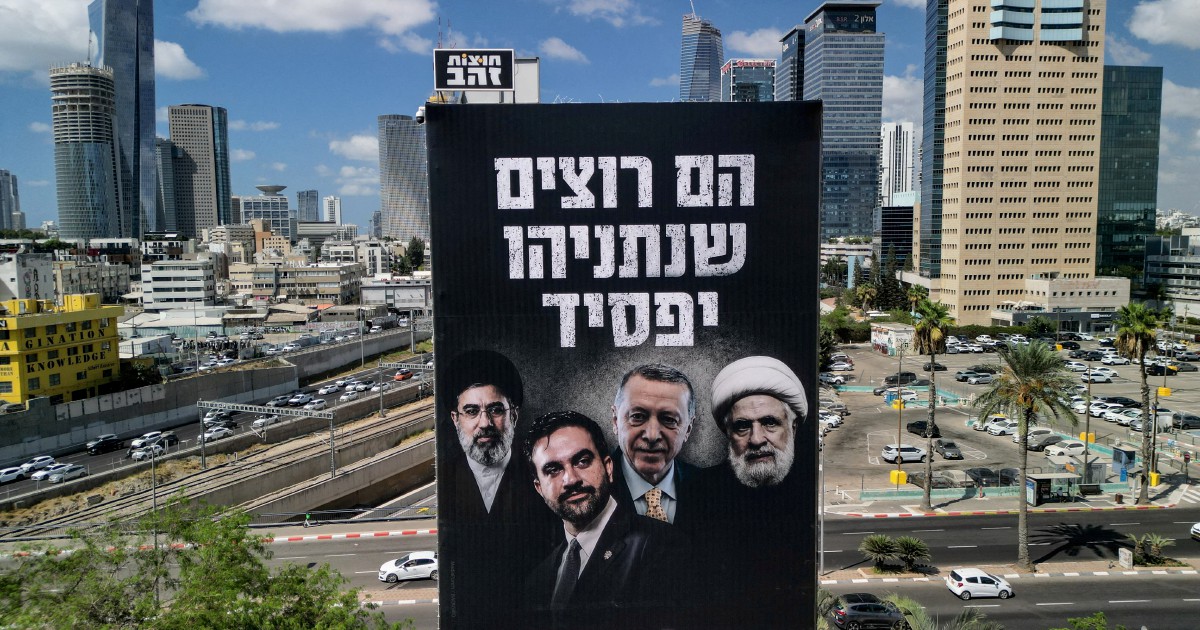
Prime Minister Benjamin Netanyahu's Likud party conducted its internal selection process on Monday to determine which candidates would represent the movement in Israel's general election scheduled for October 27, with the right-wing party confronting its most competitive electoral environment in recent memory.
The candidate selection by Likud members represents a crucial juncture in the party's preparation for a national ballot that polls suggest will produce a closely contested result. Unlike previous elections when Netanyahu's dominance ensured Likud's electoral dominance, current polling scenarios indicate multiple viable coalition configurations, reducing the traditional certainty of electoral outcomes in Israeli politics.
Likud's weakened positioning reflects broader shifts in Israeli politics over the past two years. The party has faced mounting pressure from both more hardline right-wing factions and centrist challengers, fragmenting what was once considered a stable voter base. Economic challenges, ongoing security concerns, and internal party tensions have collectively eroded some of the political capital Netanyahu previously accumulated.
For Malaysian and Southeast Asian observers, Israel's electoral dynamics carry significance beyond regional Middle East politics. The outcome of October's vote will influence Israeli foreign policy priorities, defence spending, and regional engagement strategies—factors that indirectly affect global economic conditions, energy markets, and international investment patterns that touch developing economies throughout Asia.
The candidate selection process itself demonstrates how internal party mechanics in democratic systems can signal electoral vulnerability. When established political parties must conduct intensive internal mobilization to prepare for elections, it often indicates underlying support challenges that public statements may not fully acknowledge. Likud's need for active member engagement in candidate selection contrasts with periods when the party operated with greater organizational certainty.
Netanyahu's personal position within the party remains secure despite external electoral pressures, but the quality and profile of candidates selected Monday will determine how effectively Likud can appeal to swing voters and consolidate support among its traditional constituencies. Candidate selection in proportional representation systems like Israel's carries particular importance, as voter attraction focuses substantially on individual personalities and reputations alongside party platforms.
The October 27 election emerges from a complex political landscape shaped by Israel's security environment, regional tensions, and domestic governance questions. Likud's campaign strategy will need to address both its traditional base expectations and broader electorate concerns, a balancing act complicated by the party's current competitive vulnerability.
Regional observers should note that Israeli election outcomes carry potential implications for broader Middle Eastern stability and international relations. Different coalition configurations emerging from October's vote could produce varying diplomatic postures toward neighboring states and international actors, affecting regional security calculations and political alignments.
The internal party voting process, while procedurally routine in democratic systems, takes on heightened significance when surrounding electoral uncertainty. Likud's membership is being asked to select representatives at a moment when traditional political certainties appear less assured than during previous electoral cycles when the party's dominance seemed more entrenched.
For investors and policymakers monitoring Israel's political trajectory, the October 27 election represents a potential inflection point in Israeli governance and policy direction. The tight race suggested by current polling means that relatively small voter shifts could produce notably different governmental outcomes, coalition compositions, and policy emphases than those currently operational.
As campaign season intensifies following Monday's candidate selection, Likud faces the challenge of translating internal party organization into external electoral appeal. The candidates selected will carry responsibility for articulating the party's vision to an Israeli electorate that appears more volatile and less predictable than in recent electoral history.
The competitive nature of the approaching election underscores how even established political movements in developed democracies remain subject to shifting electoral dynamics. Netanyahu's Likud, despite its significant historical influence on Israeli politics, now confronts circumstances requiring active engagement with voters and strategic candidate deployment—conditions suggesting that political dominance previously assumed cannot automatically transfer into future electoral success without contemporary effort and adaptation.

