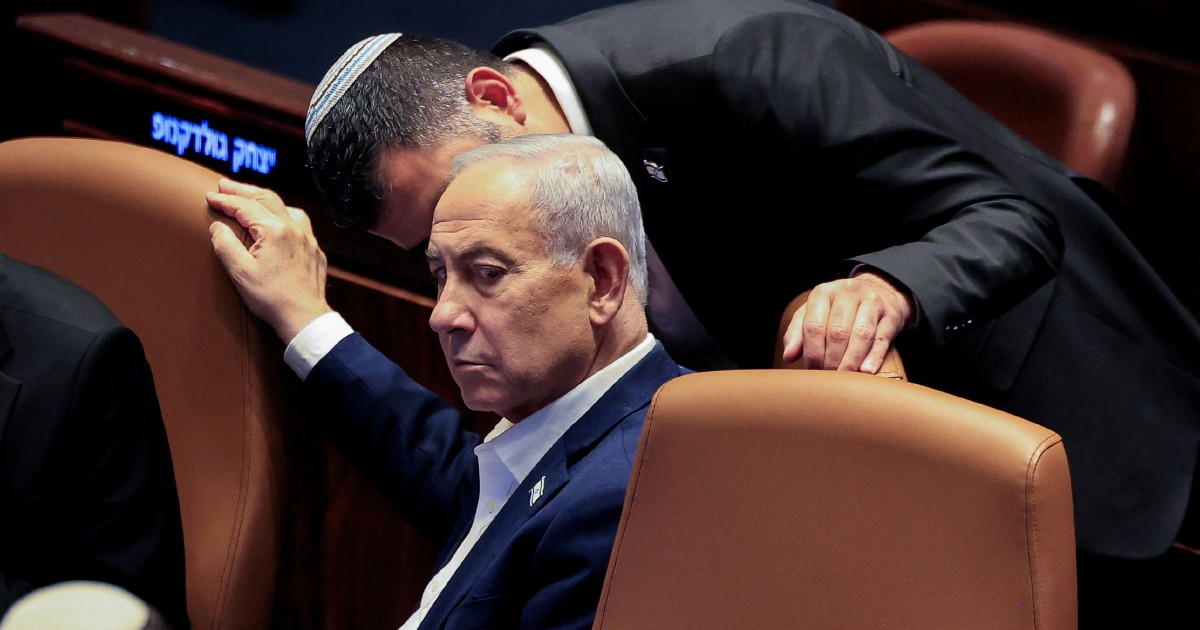
The office of Israeli Prime Minister Benjamin Netanyahu issued a strongly-worded denunciation on Sunday against New York Mayor Zohran Mamdani, after the American official publicly stated he was weighing the possibility of detaining the Israeli leader ahead of an international diplomatic gathering at the United Nations. The exchange marks a fresh flashpoint in increasingly fraught relations between Israeli leadership and certain figures within New York's political establishment, reflecting deeper divisions over Middle Eastern policy within American municipal governance.
Mamdani's remarks, made in connection with Netanyahu's planned participation in an upcoming UN assembly, touched on sensitive questions of international law and the immunity traditionally afforded to foreign dignitaries visiting New York to attend United Nations functions. The mayor's suggestion that he might explore arresting Netanyahu appeared to reference ongoing legal cases in other jurisdictions where the Israeli premier faces serious allegations. By publicly discussing such a possibility, even tentatively, Mamdani inserted New York City directly into a contentious global debate about accountability and diplomatic privilege.
The Netanyahu office's response underscores how seriously Israeli leadership takes any challenge to its international standing or the personal security of the prime minister abroad. Such statements from municipal officials, though lacking legal enforceability, carry symbolic weight in international relations and can strain diplomatic channels. The rebuke signalled that Tel Aviv views comments from a major American city's elected leader as particularly consequential, given the United States' central role in global politics and its historical alliance with Israel.
New York City's role as host to United Nations headquarters places mayors in an unusual diplomatic position. The city regularly receives visits from world leaders, many of whom operate under various degrees of international scrutiny or face legal challenges in different countries. However, precedent and longstanding agreements typically shield UN participants from arrest during their official visits, a principle that underpins the functioning of international diplomacy. Mamdani's comments therefore raised questions about whether such protections remain universally accepted among American elected officials.
The timing of this exchange, coinciding with Netanyahu's planned UN appearance, reflects broader American divisions over Israel-Palestine policy that have intensified in recent years. Prominent Democratic politicians and municipal leaders have increasingly articulated criticism of Israeli government actions, particularly regarding occupied territories and military operations in Gaza. These tensions, largely absent from mainstream American politics two decades ago, now influence municipal and state-level decision-making across the country.
For Malaysian and Southeast Asian observers, the incident illustrates how international law and diplomatic immunity remain contested concepts even among allies within the Western alliance. The notion that a mayor of a major American city would publicly consider arresting a foreign leader—something that would be virtually unthinkable in most regional contexts—reflects different cultural and political understandings of state sovereignty and leadership privileges. It also demonstrates how deeply polarized American domestic politics have become regarding Middle Eastern affairs, with implications extending far beyond direct Israeli-Palestinian concerns.
The controversy also highlights the precarious position that international diplomacy occupies in an era of declining institutional consensus. UN summits function on the assumption that participating nations and their leaders can traverse host territories freely and safely. When influential figures within host cities publicly question these arrangements, even rhetorically, they potentially undermine the entire architecture of international engagement. This matters especially for smaller nations and non-aligned countries that depend on reliable diplomatic access to global forums.
Israeli officials have previously expressed concern about the legal vulnerability of their leadership in various jurisdictions, particularly regarding investigations into settlement policies and military conduct. The International Criminal Court's actions have added urgency to such concerns. Netanyahu's potential attendance at UN events therefore requires careful coordination with security and legal advisors, and any public statements from American officials raising arrest possibilities would naturally trigger official responses intended to signal that such actions would be unacceptable.
For the Netanyahu government, maintaining international diplomatic channels remains critical despite ongoing military operations and contentious policy decisions. Isolation from global forums would represent a significant strategic setback. The forceful denunciation of Mamdani's comments served partly to reaffirm that Israel expects standard diplomatic courtesies and protections, and will respond robustly to any suggestion otherwise. This calibrated response also signals to other international interlocutors that such remarks carry consequences.
The incident ultimately reflects a broader pattern where local and municipal politics in Western democracies increasingly intersect with international relations and foreign policy. That a New York City mayor's statements about a foreign leader can generate diplomatic responses and international attention underscores how fragmented and multipolar decision-making has become, even within allied nations. For regional observers, it serves as a reminder that Western political unity cannot be presumed, and that internal divisions may create both challenges and opportunities for countries navigating global affairs.

