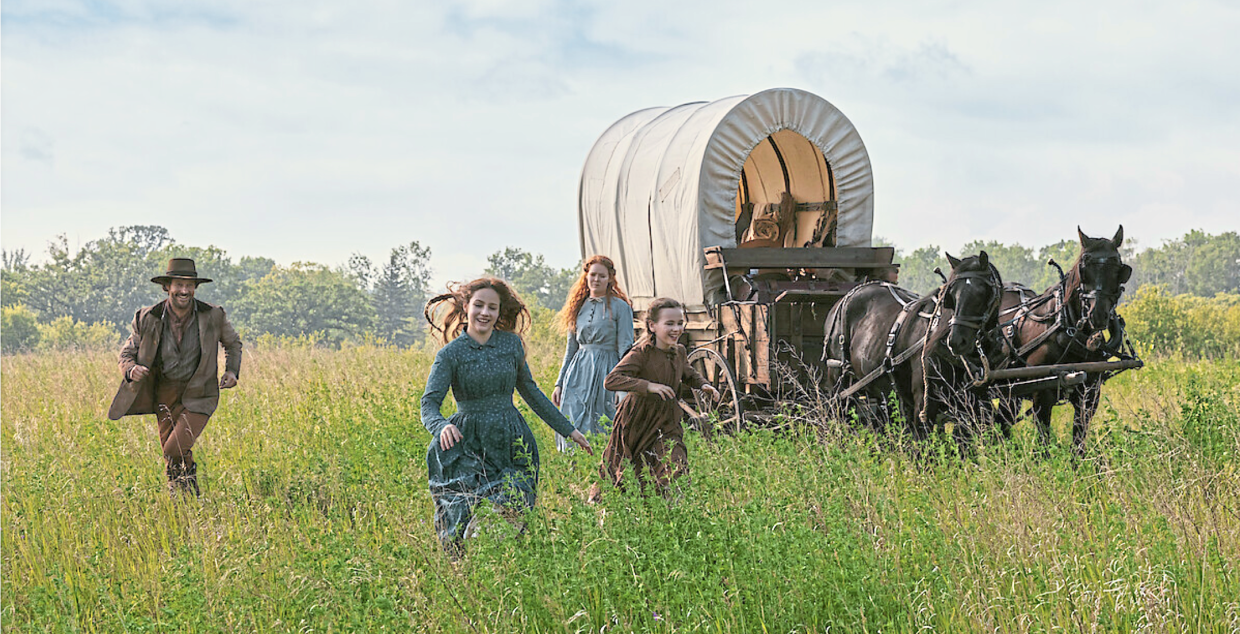
Netflix's upcoming 2026 adaptation of "Little House on the Prairie" aims to introduce Laura Ingalls Wilder's enduring tale of American frontier life to contemporary audiences, with Australian actor Luke Bracey anchoring the cast as family patriarch Charles Ingalls. The project represents a significant streaming investment in material that has captivated readers and viewers for nearly nine decades since the original 1935 novel's publication, suggesting that the central themes of familial resilience and love continue to resonate across generations and cultures.
Bracey's involvement signals Netflix's confidence in the property's international appeal, particularly given the Australian actor's growing prominence in global television and film. Speaking about his role, Bracey emphasised the durability of the story itself, noting that the Ingalls family's enduring popularity stems from something fundamental rather than coincidental. The narrative architecture—following a household through hardship and triumph while maintaining emotional cohesion—operates as a universal framework that transcends the specific historical period of the American West in which it unfolds.
The ensemble cast assembled for this version includes Alice Halsey as Laura Ingalls, the novel's central character whose perspective anchors much of the narrative; Crosby Fitzgerald portrays Caroline Ingalls, the family's mother; and Skywalker Hughes takes on the role of Mary, Laura's older sister. This casting structure preserves the family-centric storytelling approach that made previous iterations successful, while establishing a new visual and emotional identity for contemporary streaming audiences more accustomed to diverse ensemble narratives and complex character development.
Netflix's creative approach distinguishes itself from the 1970s NBC television series, which aired from the early 1970s until 1983 and achieved considerable cultural significance in American households. Where that adaptation focused primarily on the emotional and domestic dramas of frontier family life, the streaming version explicitly engages with broader historical complexities, incorporating narratives around settler-colonialism and Indigenous perspectives alongside the Ingalls family's journey. This shift reflects evolving standards in historical storytelling, where modern audiences and creators increasingly demand acknowledgment of how westward expansion affected Indigenous peoples and communities.
Halsey's reflections on Laura's experience as a female child in nineteenth-century America underscore this expanded narrative scope. She observed that the limitations placed upon girls during that era—restrictions on education, professional opportunity, and social agency—contrasted sharply with boys' considerably greater freedoms and possibilities. For Halsey as a modern woman, the exercise of inhabiting Laura's constrained world highlights how substantially gender equity has advanced, even as contemporary societies grapple with persistent inequalities in various sectors. This consciousness-raising dimension of period drama has become increasingly important to younger audiences evaluating historical narratives through contemporary ethical lenses.
The show's thematic architecture maintains the foundational elements that gave the original novel and previous adaptations their staying power. Viewers will follow the Ingalls family as they navigate the practical challenges, emotional complexities, and occasional triumphs of establishing themselves in frontier conditions. The emphasis on family bonds persisting through adversity remains central, yet the expanded storytelling now contextualises this intimate drama within the larger historical tableau of American expansion and its consequences for existing populations.
Under the creative direction of Rebecca Sonnenshine, who serves as creator and showrunner, the production has already secured renewal for a second season before the first season's premiere. This pre-premiere renewal represents significant confidence from Netflix's programming department and suggests that advance screenings or internal assessments indicated strong potential for sustained viewership. For creators and cast members, such early confidence provides both validation and pressure to deliver quality storytelling that justifies the platform's investment and audience expectations.
Skywalker Hughes, who portrays Mary, expressed enthusiasm about the production experience and the opportunity to extend the project into multiple seasons. Hughes noted the meaningful memories and creative relationships forged during the initial production period, and the prospect of returning to the material, suggesting a collaborative environment conducive to artistic growth and narrative exploration. This positive cast dynamic often translates into on-screen chemistry and authenticity that audiences intuitively recognise and respond to.
For Malaysian and Southeast Asian viewers, this adaptation offers several points of interest beyond its primary appeal as quality dramatic entertainment. The exploration of how families maintain emotional and moral integrity amid challenging circumstances carries universal resonance, particularly in societies where extended family networks and intergenerational bonds remain culturally significant. Additionally, the deliberate inclusion of settler-colonial and Indigenous perspectives models how international storytelling can acknowledge historical complexity while advancing contemporary values around inclusivity and historical accountability.
The revival of "Little House on the Prairie" also reflects streaming platforms' broader strategy of acquiring and reimagining established intellectual properties with built-in audience familiarity. For streaming services competing in saturated markets, material with demonstrated longevity and emotional resonance—particularly works that have already proven adaptable across different media—offers substantially lower risk than original concepts. Yet successful reimagining requires more than simply transplanting old stories into new formats; it demands creative reinvention that respects source material while speaking authentically to contemporary concerns and aesthetic expectations.
Netflix's decision to expand the narrative scope beyond the domestic dramas that characterised earlier adaptations positions this version within current television trends emphasising historical nuance and multiple perspectives. The willingness to interrogate nineteenth-century American expansion through Indigenous narratives and settler-colonial critique reflects industry-wide shifts in how prestige dramas approach historical subject matter. This approach may attract viewers interested in complex historical examinations while potentially alienating audiences seeking purely nostalgic recreations of earlier television's thematic simplicity.
The timing of the 2026 premiere positions the series to capitalise on continued strong demand for quality period dramas across streaming platforms. With audience appetite for this genre remaining robust globally, Netflix's willingness to invest in adapting classic literature suggests confidence that well-executed storytelling transcends demographic boundaries. The international cast composition, including the prominent role of Australian talent, further reinforces streaming's increasingly global production and talent acquisition strategies, moving beyond earlier models of primarily American content creation.

