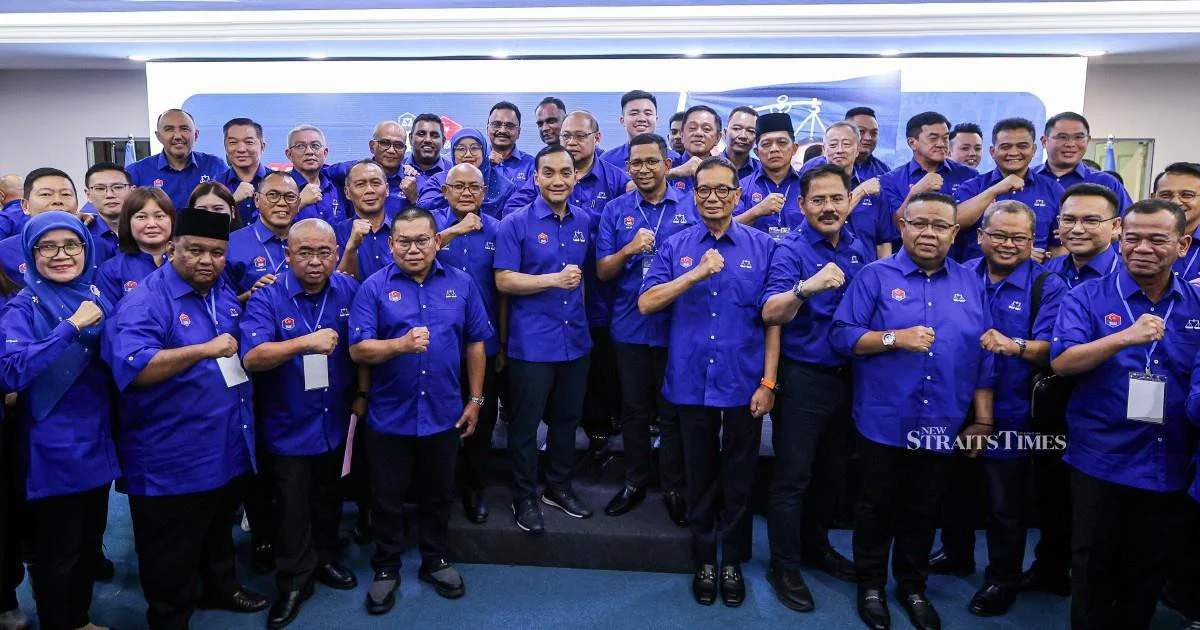
The Barisan Nasional coalition is banking on a new generation of political talent to recapture momentum in Johor, with freshly nominated candidates from the BN component parties expressing their commitment to securing a decisive victory in the state election scheduled for July 11. The determination demonstrated by these emerging political figures reflects the coalition's broader strategy to revitalise its presence across the state and connect with voters seeking change after consecutive electoral disappointments.
Johor has emerged as a critical battleground for Malaysian politics in recent years, with the state's electoral outcomes carrying significant implications for national coalition-building and parliamentary arithmetic. The decision by BN to field new candidates in key constituencies suggests a calculated approach to address voter fatigue and perception challenges that have dogged the coalition following recent electoral setbacks. These fresh faces represent BN's attempt to project an image of renewal while maintaining the institutional machinery that has traditionally anchored the coalition's strength in the state.
The deployment of new candidates across various Johor constituencies reflects BN component parties' recognition that retaining voter confidence requires more than cosmetic changes. These candidates bring different professional backgrounds and community connections, potentially offering alternative narratives to the electorate about governance, development priorities, and leadership renewal. The coalition's confidence in this lineup suggests internal polling and strategic assessments indicate receptiveness to fresh political voices among segments of the Johor electorate.
For Malaysian politics more broadly, the Johor state election carries outsized significance as the state constitutes the country's second-largest electoral bloc after Selangor. A decisive BN victory would substantially reshape the national political balance, potentially strengthening the coalition's position for future parliamentary arithmetic and federal policymaking. Conversely, weakened BN performance would further entrench opposition strength and complicate efforts to build stable governing coalitions at the federal level.
The campaign intensity signalled by these new candidates underscores the competitive nature of contemporary Malaysian electoral contests. Rather than assuming historical voter loyalties, BN recognises the necessity of active engagement and persuasive messaging to maintain relevance in constituencies where younger voters and urban populations increasingly demonstrate independent voting patterns. The emphasis on aggressive campaigning acknowledges that election outcomes are determined through sustained effort rather than presumed incumbent advantages.
Johor's political landscape has undergone considerable transformation over the past decade, with changing demographic patterns, rural-to-urban migration, and generational shifts reshaping voter priorities and political alignments. New BN candidates must navigate these evolving dynamics while addressing specific local concerns ranging from employment opportunities to infrastructure development and cost-of-living pressures. The candidates' ability to articulate coherent responses to these issues will substantially influence their electoral prospects.
The BN component parties' selection of new candidates also reflects internal party dynamics and efforts to balance representation across different communities and regions within Johor. The nomination process typically involves complex negotiations among coalition partners seeking to secure favourable candidate distributions while maintaining party equilibrium. Successfully navigating these internal arrangements while simultaneously building public support represents a substantial challenge for emerging political figures.
For voters in Johor, the influx of new candidates presents opportunities to evaluate alternative leadership approaches and policy visions for the state. Rather than defaulting to established political figures, constituents can assess whether fresh candidates offer genuine commitments to addressing accumulated governance challenges and delivering tangible improvements in service delivery and development outcomes. The quality and credibility of candidates ultimately determine whether new faces translate into meaningful political change or merely superficial personnel rotation.
The campaign period preceding July 11 will likely feature intense grassroots mobilisation by both BN and opposition coalitions, with new candidates leveraging digital platforms and community engagement strategies to establish their credentials and build voter rapport. These emerging political figures must quickly establish themselves as credible alternatives to opponents while demonstrating deep understanding of constituency-specific challenges. The effectiveness of their campaigns will substantially influence whether BN's renewal strategy succeeds in reversing recent electoral trends.
Regionally, the Johor election carries implications for Southeast Asian political observers tracking Malaysia's democratic trajectories and coalition dynamics. A BN resurgence would suggest the coalition retains capacity to maintain competitive viability despite structural changes affecting traditional political bases. The election outcome will provide insights into whether established political institutions can successfully adapt to evolving voter preferences through strategic renewal rather than fundamental restructuring.

