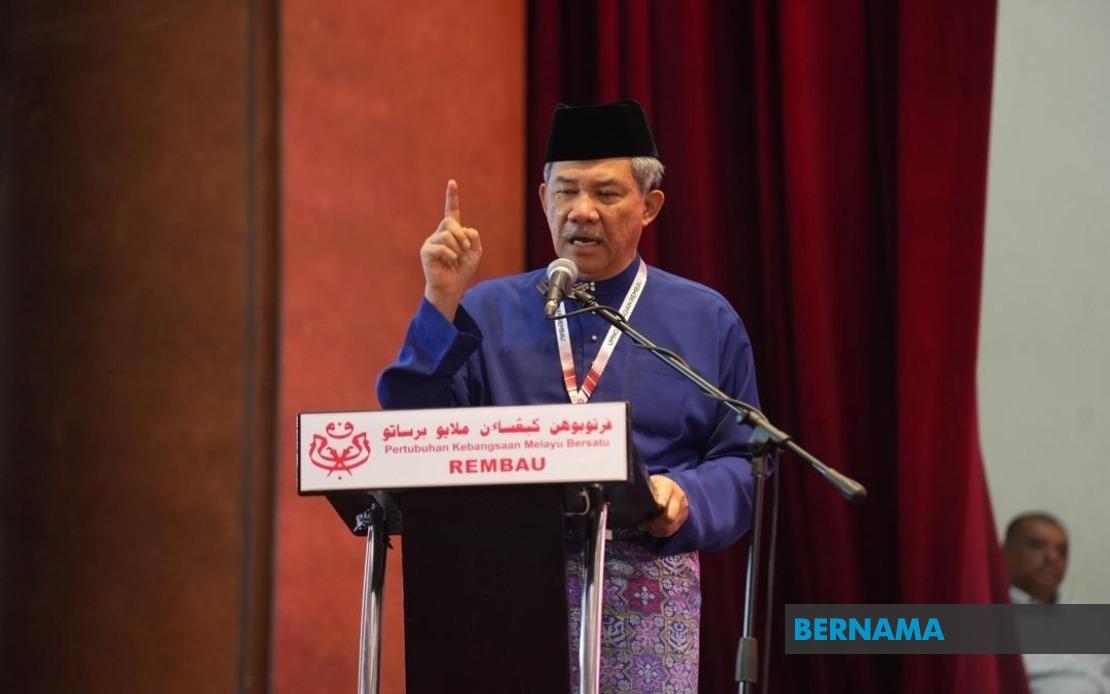
Barisan Nasional Deputy Chairman Datuk Seri Mohamad Hasan has voiced confidence in the ten newly appointed members of the Negeri Sembilan State Executive Council, asserting they possess the necessary capability to work alongside the Menteri Besar and effectively manage their assigned portfolios in service of the state's population.
Speaking in Seremban on August 7, Mohamad, who represents Rantau as a State Assemblyman, outlined the critical function that exco members discharge within the broader machinery of state governance. Beyond their formal administrative responsibilities, he stressed that these officials operate as vital conduits between the state apparatus and ordinary citizens, translating policy intent into community understanding while simultaneously channelling public concerns upward through government structures.
The role of an executive councillor, Mohamad elaborated, extends far beyond bureaucratic routine. Each member must actively communicate government initiatives to their constituents, ensuring policies are explained comprehensively and transparently. Simultaneously, they bear responsibility for aggregating community feedback—identifying problems, collecting suggestions, and collating diverse viewpoints from the populations they serve. This two-way information flow, he argued, strengthens governance by grounding administrative decisions in lived experience and emerging local challenges.
Recognising the complexity of their portfolios, Mohamad underscored the importance of intensive preparation for incoming exco members. He stressed that familiarisation with departmental structures and administrative frameworks falls within each member's purview during their initial period in office. By obtaining comprehensive briefings from civil service units operating under their jurisdiction, newly appointed councillors can quickly establish competency and navigate the technical requirements of effective portfolio management.
Maintaining robust working relationships between the exco tier and government departments represents another pillar of successful administration, according to Mohamad's assessment. Without such institutional cohesion, policy implementation faces friction and delays. The harmonious functioning of state government depends fundamentally on consistent, respectful engagement between political appointees and professional civil servants who execute decisions on the ground.
The occasion for Mohamad's remarks was the formal swearing-in ceremony held at Istana Besar Seri Menanti, where all ten exco members took their oaths of office before Tuanku Muhriz Tuanku Munawir, the Yang Dipertuan Besar of Negeri Sembilan. This ceremonial investiture marked their official transition into their new roles, completing the final procedural step required for them to commence their portfolios.
For Malaysian political observers and state-level administrators, the emphasis on bridging roles reflects broader structural challenges facing state governments across the peninsula. Negeri Sembilan, like other states, must balance centralised policy directives with the granular realities of constituency management. The exco structure serves as the critical intermediary layer that determines whether state initiatives gain genuine traction at grassroots level or languish as mere bureaucratic pronouncements. The quality and commitment of exco members thus substantially influences whether governance translates into tangible improvements in service delivery, infrastructure development, and responsiveness to public needs.
The appointment of fresh exco members also typically reflects the ruling coalition's efforts to rejuvenate its state-level leadership cadre and signal renewal to voters. In Negeri Sembilan's political context, where Barisan Nasional maintains control, the selection of capable administrators serves both immediate governance objectives and longer-term party positioning ahead of potential future electoral contests. Mohamad's public endorsement of these appointees carries implicit messaging about the coalition's confidence in its state government direction.
When questioned regarding the prospects for a Melaka State Election, Mohamad deferred to the timeline and institutional prerogatives established within Malaysia's constitutional framework. He noted that any decision to dissolve the Melaka State Legislative Assembly rests ultimately with the Chief Minister, who must first secure the consent of the Yang Dipertua Negeri to proceed. This procedural reminder underscores how state elections remain contingent on multiple stakeholders and constitutional procedures rather than unilateral political determination, a reality that shapes electoral calendars across the federation.
The composition and capacity of state-level executive councils carry particular significance for Malaysian voters and policymakers focused on devolved governance. As states assume expanding responsibilities across areas including education, health, agriculture, and local development, the calibre of exco members directly impacts implementation outcomes. Mohamad's emphasis on thorough briefing, community engagement, and administrative coordination reflects recognition that state government effectiveness ultimately depends on translating policy intent into coordinated action at the point of service delivery where citizens encounter government institutions most directly.

