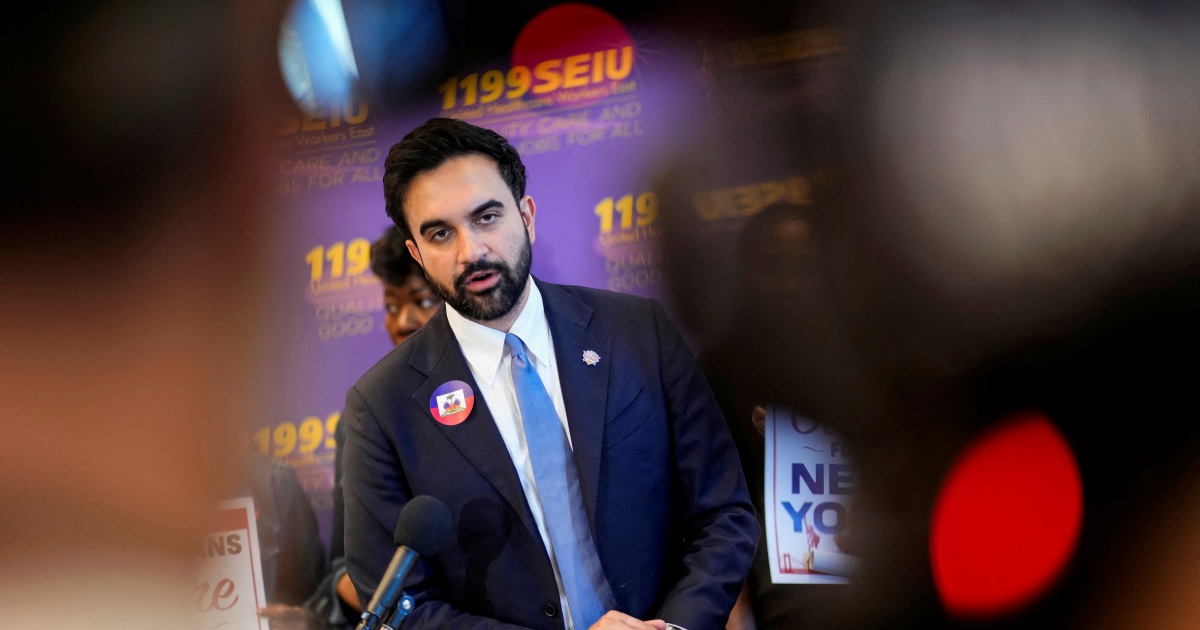
New York Mayor Zohran Mamdani has clarified that municipal authorities do not possess the legal jurisdiction to arrest Israeli Prime Minister Benjamin Netanyahu should he travel to the United States' largest city, marking a significant retreat from his earlier public statements suggesting he was exploring such a possibility.
Mamdani's reversal highlights the complex intersection of municipal authority, federal jurisdiction, and international legal frameworks that govern how American cities can respond to visiting foreign leaders. His initial statements had attracted considerable attention from pro-Palestinian advocacy groups in New York, who have grown increasingly vocal in demanding accountability measures against Israeli government officials. The mayor's acknowledgment of his administrative limitations, however, underscores how legal reality often constrains political rhetoric, particularly when mayors attempt to position themselves as enforcers of international law.
The question of arresting sitting heads of state or government on American soil touches upon fundamental principles of sovereign immunity and diplomatic protocol. Foreign leaders, including those formally accused of crimes, typically enjoy legal protections that prevent ordinary arrest procedures from being applied by local authorities. These protections stem from both longstanding customary international law and specific bilateral diplomatic agreements that govern state-to-state relationships. The United States, as a nation with extensive global diplomatic commitments, has particular interest in maintaining these protocols regardless of its own views on particular governments' conduct.
Mamdani's position reflects broader tensions within American cities with significant Palestinian diaspora communities. Cities including New York, Los Angeles, and others have experienced intensified activism following military operations in Gaza. Progressive municipal leaders have faced mounting pressure from constituents demanding visible action against Israeli officials, yet find themselves constrained by the realities of American law and international conventions that supersede local ordinances. This gap between constituent demands and legal capacity has become a defining challenge for mayors navigating deeply polarized geopolitical conflicts.
Federal law, rather than municipal statute, controls such matters in the United States. The State Department and federal courts maintain exclusive authority over questions of diplomatic immunity and the treatment of foreign dignitaries. A New York City mayor, no matter how progressive his political orientation, cannot unilaterally override these federal frameworks. Attempting to arrest a foreign leader could expose the city to serious legal liability and diplomatic consequences, outcomes that ultimately affect all residents, not just those with particular political views on Middle Eastern conflicts.
The incident also reveals how individual politicians sometimes test boundaries of their authority through public pronouncements before legal counsel forces clarification. Mamdani's initial consideration of arresting Netanyahu likely generated substantial grassroots enthusiasm among his supporters but proved untenable once examined through a legal lens. This pattern occurs regularly in municipal politics, where mayors face constant pressure to demonstrate responsiveness to constituent concerns while operating within constrained authority.
For Malaysian and Southeast Asian observers, the situation illustrates how even powerful mayors of major global cities must defer to national-level legal and diplomatic structures. Malaysia itself, as a nation with both domestic pro-Palestinian constituencies and significant international relations interests, navigates similar questions about balancing domestic political pressures against diplomatic protocols. The lesson extends to how emerging democracies and developing nations manage tensions between popular sentiment and international legal obligations.
The practical implications of Mamdani's clarification mean that Netanyahu could visit New York without facing arrest by local police, though federal authorities retain different powers based on potential violations of American law. This distinction—between municipal police authority and federal jurisdiction—represents a crucial architectural feature of American governance that Mamdani's earlier statements had implicitly questioned. Understanding these boundaries matters for any foreign leader, activist, or city official navigating American legal systems.
Mamdani's retreat also demonstrates how legal reality constrains political theater. While acknowledging lack of authority may disappoint activist supporters, it reflects honest governance. Politicians who maintain promises they cannot legally deliver ultimately damage public trust in institutions and in their own credibility. The mayor's willingness to publicly state his limitations, though politically costly, preserves both legal integrity and the rule of law itself.
Looking forward, this incident may prompt discussions about whether existing international legal mechanisms adequately address accountability for alleged war crimes. Frustrated with perceived gaps in the International Criminal Court's effectiveness, some activists advocate for municipal-level responses. Mamdani's experience demonstrates that such approaches face fundamental legal obstacles. Instead, pressure for accountability operates through diplomatic channels, federal law enforcement, and international judicial institutions designed specifically for such matters.
The controversy underscores how globalization and digital communication enable rapid mobilization around international conflicts within domestic American politics. Mayors of New York face constituent bases increasingly engaged with conflicts thousands of miles away. Yet American constitutional structure deliberately concentrates foreign relations authority at the federal level, preventing mayors from independently conducting what amounts to foreign policy through law enforcement.

