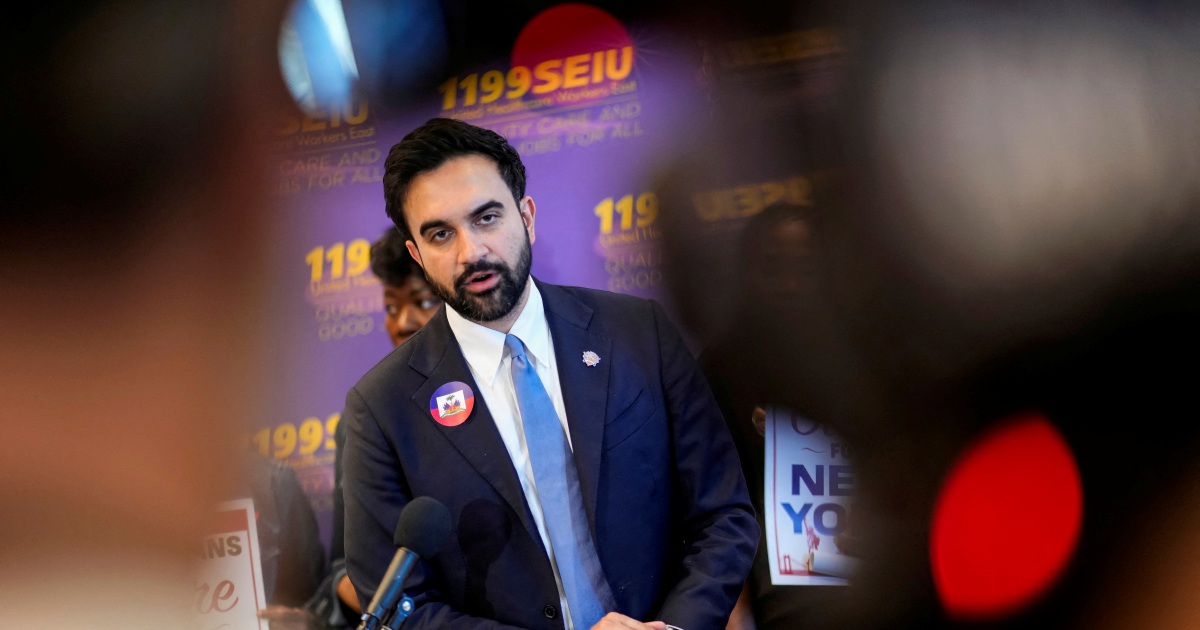
New York Mayor Zohran Mamdani has disclosed that officials in his administration are deliberating the possibility of attempting to detain Israeli Prime Minister Benjamin Netanyahu when he arrives in New York for a forthcoming United Nations gathering, according to remarks he made in an interview released on Saturday. The announcement has triggered an immediate and forceful response from Netanyahu's office, which has characterised the proposal as politically motivated interference.
The timing of Mamdani's statement comes amid growing international scrutiny of Netanyahu's military policies and ongoing military operations. The suggestion of a potential arrest reflects deepening tensions between municipal authorities in the United States and the Israeli leadership, centred on accountability for actions in conflict zones. Such a move would represent an extraordinary diplomatic incident, pitting a major American city's leadership against a sitting head of government of a strategic ally nation.
The International Criminal Court's role in these developments cannot be overlooked. Various civil society groups and legal advocates have argued that Netanyahu should face international accountability, citing concerns raised by the ICC regarding potential violations during military campaigns. However, the United States is not a signatory to the ICC's founding treaty, which complicates any formal legal framework for such proceedings on American soil.
New York's legal landscape adds another layer of complexity to the situation. State-level laws and municipal ordinances can sometimes intersect with international diplomatic obligations, creating ambiguous situations for city officials. Mamdani's indication that he is still deliberating the matter suggests that legal counsel has flagged potential obstacles or complications that must be resolved before any concrete action is contemplated.
From a diplomatic perspective, any attempt to arrest a sitting foreign leader visiting the United States would represent an unprecedented challenge to established protocols governing state visits and international gatherings. The United States Federal Government holds responsibility for honouring immunity provisions for heads of state, which typically shield them from legal proceedings while they are on official business. Federal authorities would likely intervene to prevent any municipal-level enforcement action.
The confrontation reflects broader divisions within American political discourse concerning Middle Eastern conflicts. Progressive factions within New York's political establishment have increasingly voiced criticism of Israeli military operations, while other constituencies maintain strong support for Israel. Mamdani's public consideration of arrest procedures appears designed to signal alignment with activists and constituents who demand accountability and pressure on the Israeli leadership.
For Malaysia and the broader Southeast Asian region, this development carries implications for how nations navigate complex relationships between domestic legal frameworks and international diplomatic obligations. Malaysia has historically supported Palestinian causes and criticised Israeli policies, and such precedents—whether ultimately pursued or abandoned—could influence how other countries weigh domestic demands for accountability against traditional diplomatic immunity.
The Israeli Prime Minister's office has not remained silent on these suggestions. Spokespeople have dismissed the proposals as misguided political theatre that misrepresents international law and undermines legitimate diplomatic channels. They have emphasised that Netanyahu's presence at the UN is official business protected by established international protocols.
Legal experts note that any attempt to detain Netanyahu would almost certainly face immediate challenge under principles of head-of-state immunity, which are codified in international law and consistently upheld by American courts. The scenario illustrates the persistent tension between activist demands for accountability and the practical realities of international law, which prioritises state sovereignty and diplomatic relationships.
Mamdani's ongoing deliberation suggests that a final decision has not yet crystallised. City officials may be weighing the symbolic value of a legal challenge against the near certainty of intervention by federal authorities. The public nature of his comments has already achieved substantial political impact, amplifying pressure on Israeli authorities even if no actual arrest attempt materialises.
Looking forward, the resolution of this matter will likely depend on guidance from Federal legal authorities and the U.S. State Department, which typically asserts primacy over diplomatic matters that could affect international relations. Whether Mamdani ultimately pursues this course or abandons it will signal how seriously American municipal governments intend to challenge established diplomatic protections in pursuit of accountability agendas.
The incident underscores the expanding role that cities and local governments are claiming in international affairs, challenging traditional assumptions that only national governments can meaningfully engage with foreign policy issues. This trend may have lasting implications for how diplomatic immunity is understood and applied in coming years, particularly as civil society organisations increasingly demand accountability from world leaders on matters ranging from military operations to human rights.

