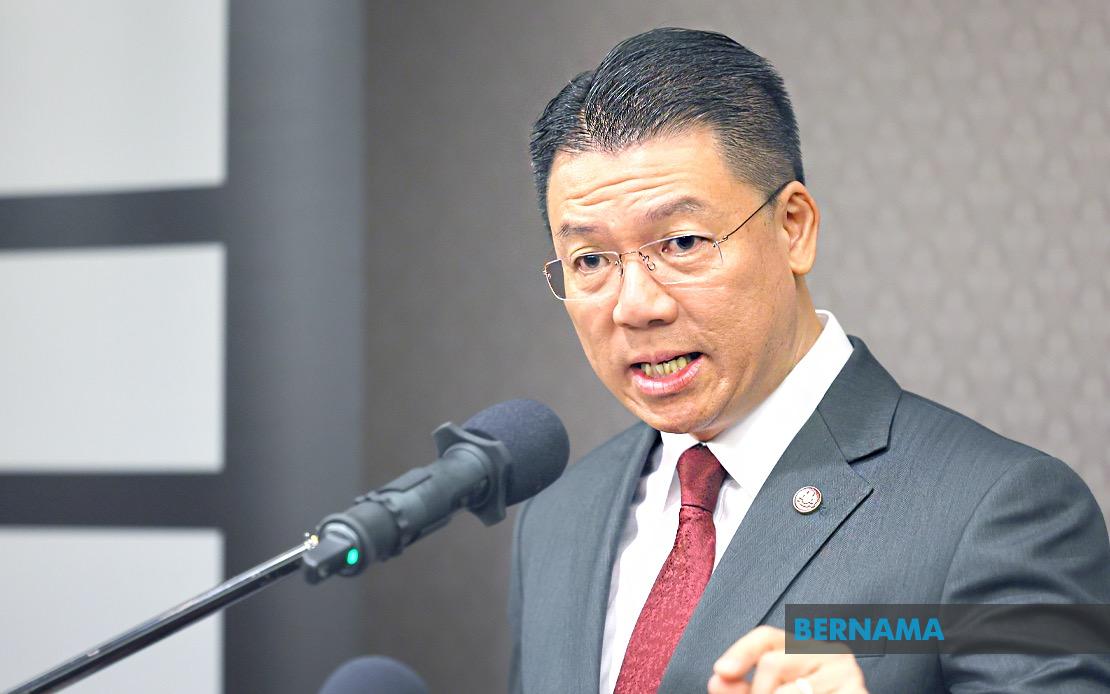
Malaysia's political landscape faces a critical juncture, according to Housing and Local Government Minister Nga Kor Ming, who has issued a forceful appeal to the nation's leadership to embrace moderation, mutual respect, and genuine national unity. Speaking from Putrajaya on July 27, Nga stressed that responsible stewardship demands bringing Malaysians together instead of weaponising communal tensions for partisan advantage.
The DAP deputy national chairman grounded his argument in Malaysia's foundational strength: its multicultural character and the intergenerational harmony achieved despite the country's diverse composition. He emphasised that this achievement reflects generations of coexistence across racial, religious, and cultural boundaries, all contributing meaningfully to the nation's collective advancement. For Nga, this historical accomplishment must command the respect and protection of all those in positions of influence, particularly elected representatives and institutional leaders.
Central to Nga's message is a distinction between authentic leadership and opportunistic politics. He argued that genuine leaders construct coalitions and identify common ground, whereas those pursuing narrow agendas often resort to fracturing communities along identity lines. This framing reflects growing concern among moderate voices that electoral calculations increasingly drive rhetoric exploiting group fears and resentments rather than addressing substantive governance challenges.
Nga identified the real preoccupations consuming ordinary Malaysians: tangible improvements in housing affordability, job creation and economic inclusion, public service quality, transport and connectivity infrastructure, and pathways toward better futures for younger generations. These concerns transcend the ethnic and religious categories often deployed in polarising discourse. His observation highlights a potential mismatch between the issues dominating parliamentary debate and campaign rhetoric versus the lived priorities of voters navigating inflation, homeownership barriers, and career prospects.
The minister's characterisation of race-based political messaging as fundamentally detrimental to Malaysia's trajectory carries weight in regional context. Throughout Southeast Asia, polarisation has corroded institutional resilience and policy effectiveness in several democracies. Nga's warning against manipulation of communal sentiment and deliberate cultivation of mistrust among communities reflects awareness that such strategies, once normalised, become difficult to reverse and damage the consensus-building capacity essential for addressing shared challenges.
Implicitly, Nga challenged voters to exercise discernment when evaluating political actors and movements. His appeal for Malaysians to recognise and reject those seeking electoral advantage through communal division represents an appeal to collective political maturity. The notion that voters possess agency to withhold support from divisive actors presumes—and seeks to reinforce—a preference for results-oriented, solution-focused governance.
The timing of Nga's statement occurs amid persistent undercurrents of tension in Malaysian politics, where different factions continue testing the boundaries of acceptable speech and behaviour. By explicitly contrasting forward-looking, pluralistic leadership with backward-looking, sectarian alternatives, Nga positioned moderation as the path aligned with Malaysia's interests and future progress. He rejected the premise that hatred-based or racially provocative politics belongs in a nation aspiring toward development and prosperity.
For regional observers, Nga's intervention represents a significant political figure articulating the case for inclusive, non-polarised governance at a moment when such voices remain essential yet contested. The challenge his message confronts is whether political incentives favour such unity rhetoric or whether structural pressures continue rewarding more divisive approaches. His framing suggests confidence that electorates ultimately prefer substantive, delivery-focused governance over identity warfare, though whether this optimism reflects political reality remains contested territory in Malaysia's ongoing democratic evolution.
The substance of his appeal—that Malaysia's future depends on leaders inspiring hope, fostering mutual understanding, and transcending racial divides—articulates a vision rooted in the nation's constitutional foundations and multi-communal social contract. Whether such appeals gain traction depends partly on whether alternative political forces embrace similarly inclusive positioning or whether they pursue strategies that directly contradict these principles. Nga's statement thus functions simultaneously as aspiration, warning, and invitation to Malaysian political actors and voters alike.

