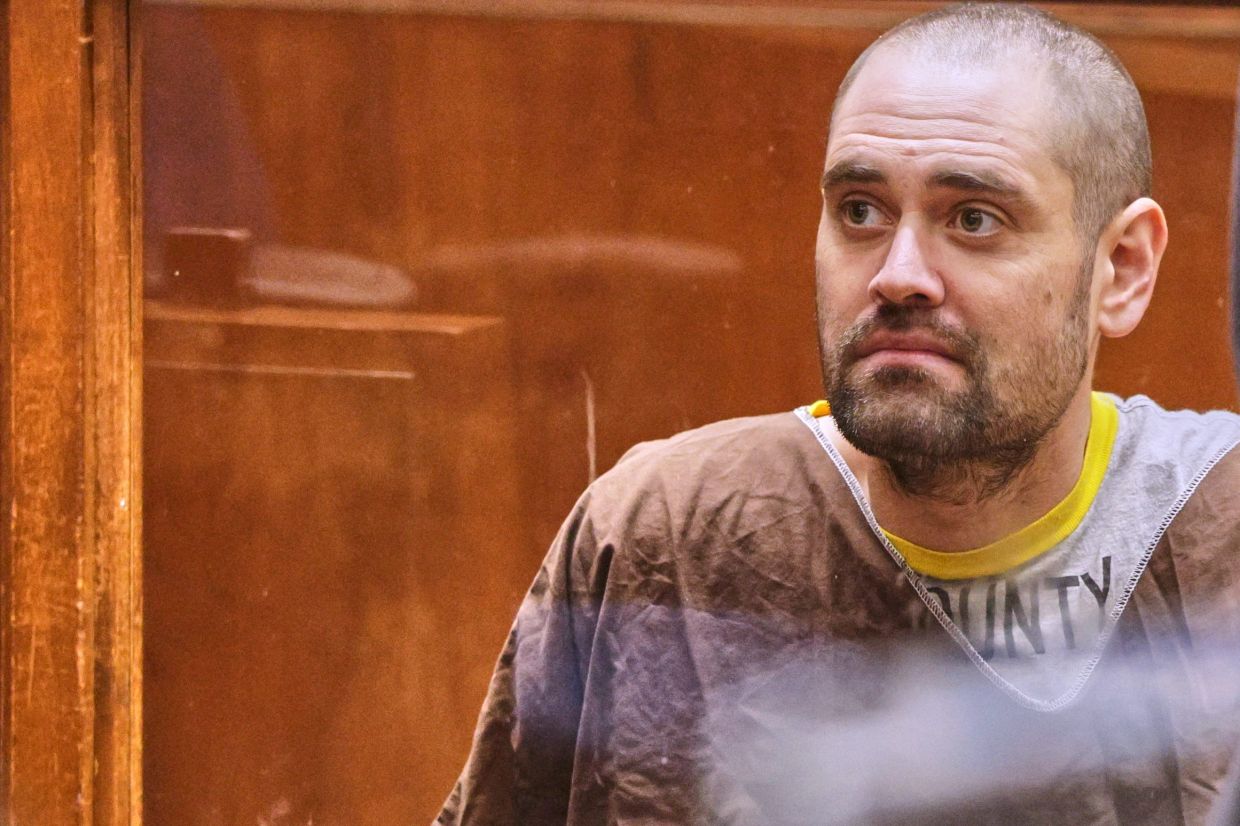
Nick Reiner, the 32-year-old son of acclaimed Hollywood director Rob Reiner, has initiated legal proceedings to compel trustees to release funds from a family trust he claims he is legally entitled to receive. His civil attorneys filed a petition with Los Angeles County court on Monday arguing that the trustees have unjustifiably withheld the money, which Reiner contends he urgently requires to mount a robust defence against two murder charges related to the December deaths of his parents.
The case presents an unusual and troubling intersection of criminal proceedings and family law disputes. Rob Reiner, the 76-year-old director known for helming iconic films throughout the 1980s and 1990s, and his wife Michele Singer Reiner, a photographer and producer, were found stabbed to death in their Brentwood home on December 14. Their son was arrested hours after the discovery and has since entered a plea of not guilty. The murder weapon has never been publicly disclosed, and authorities have maintained strict confidentiality regarding investigative details, with a court order sealing most autopsy findings.
Reiner's petition argues that he should not be denied access to resources that were explicitly designated for him under the terms of a trust his parents established in 1993. According to the legal filing, Rob and Michele Reiner created individual trusts for each of their three children—Nick, Jake, and Romy—with unambiguous instructions that Nick would receive fifty percent of his designated assets upon reaching age thirty and the remainder at age thirty-five. The filing asserts that the trust contains approximately 1.5 million dollars in assets, though the current trustee, attorney Paul R. Kanin, has declined to disclose the precise valuation.
The dispute over these funds carries particular significance given the challenges surrounding Reiner's legal representation. He initially retained high-profile criminal defence attorney Alan Jackson, who has maintained that his firm remains prepared to resume representation should funding materialise. However, Jackson withdrew from the case less than a month after his engagement under circumstances he declined to elaborate on publicly. The petition reveals that Reiner's siblings, Jake and Romy, had initially agreed to finance Jackson's services but subsequently reversed that decision, effectively leaving Reiner without counsel at a critical juncture in his case.
The petition's language emphasises that the trust dispute and the underlying murder accusations exist in separate legal spheres. "Nick loved his parents, and he is devastated by their deaths," the filing states. "But the facts about what did and did not happen to them are not at issue in this Trust litigation. Like anyone accused of a crime, Nick is presumed innocent, and he is entitled to mount his defence with the resources that are lawfully his own." This framing attempts to separate questions about Reiner's entitlement to inherited funds from questions about his culpability in the homicides.
Trustee Paul Kanin has provided what the petition characterises as shifting justifications for refusing to release the funds, including concerns about Reiner's competence. However, Reiner's lawyers contend that such concerns have no legal basis for withholding a mandatory distribution under the trust's explicit terms. According to the filing, Reiner never received the funds designated for him at age thirty, and the new trustee, appointed in February, has continued this withholding pattern. The petition argues that Reiner should now receive both the funds he was entitled to at thirty and those scheduled for age thirty-five, given both the legal clarity of the original instructions and his urgent need for resources to secure adequate legal representation and meet basic necessities while incarcerated.
The murder case itself remains shrouded in secrecy unusual even by the standards of high-profile homicides. District Attorney Nathan Hochman's office has not yet announced whether it will pursue the death penalty, despite Reiner's theoretical eligibility for capital punishment. Few details about possible motives, the circumstances surrounding the deaths, or other investigative findings have emerged into public discourse. Reiner is scheduled for a pretrial hearing in September, meaning the case is advancing at a measured pace through the criminal justice system.
The family dynamics underlying this situation add an additional layer of complexity. Reiner's brother Jake, in an April statement that marked his first detailed public account of the tragedy, described his experience as "a living nightmare" that is "too devastating to comprehend." The family's decision to initially fund Nick's defence counsel, then withdraw that support, suggests deep divisions within the household regarding how to respond to the charges. The trust petition may intensify these tensions while forcing the court system to address fundamental questions about the rights of criminal defendants to access lawfully inherited resources for defensive purposes.
The case raises important questions about the intersection of criminal justice and family wealth in America's legal system. Defendants' ability to secure competent legal representation often hinges critically on financial capacity, creating potential inequalities in outcomes. When family members are themselves the victims and other family members control the purse strings, such dynamics become particularly fraught. For Malaysian observers of prominent legal cases, this case illustrates how American courts must balance principles of criminal procedure, trust law, and family interests when addressing sensitive situations where accused individuals seek to access inherited wealth for defence purposes. The resolution may establish important precedent regarding how such disputes should be navigated.