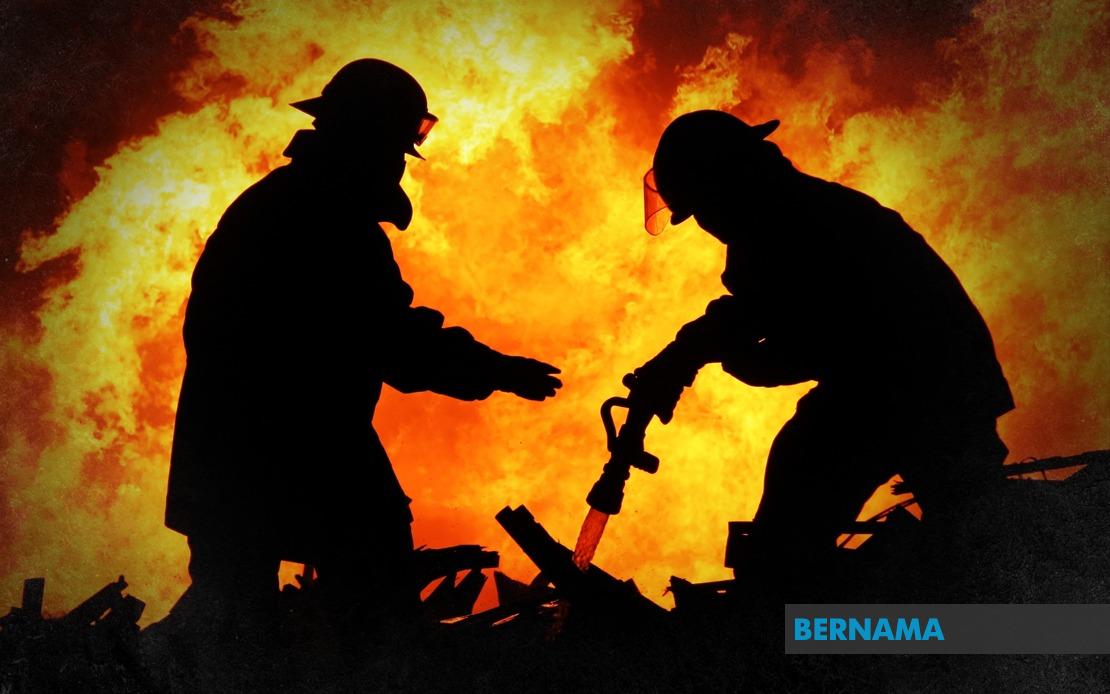
An explosion at a firecracker manufacturing plant in India's Gujarat state has resulted in nine fatalities and left six workers seriously injured, marking another tragedy in an industry plagued by persistent safety violations. The blast occurred at Talent Fireworks, situated in the Vastral area of Ahmedabad, with emergency responders arriving at the scene to handle the aftermath of Saturday's catastrophe. The incident underscores the ongoing hazards faced by workers in India's informal pyrotechnic sector, where corner-cutting and regulatory negligence remain widespread despite recurring disasters.
Local authorities determined that the facility had been functioning without the necessary operational permits required by Indian law. Police have arrested the factory owner as investigations into the explosion's cause commenced. The discovery of unlicensed operations raises critical questions about how such hazardous manufacturing was permitted to continue undetected in a densely populated urban area, particularly given Ahmedabad's status as a major city in one of India's most economically developed states.
Prime Minister Narendra Modi swiftly responded to the tragedy with a condolence statement, directing immediate financial assistance to the bereaved families. The Prime Minister's National Relief Fund will distribute 200,000 rupees—approximately RM8,490—to the next of kin of each deceased victim. This emergency compensation reflects the federal government's acknowledgment of the incident's severity and the need for rapid humanitarian response during such crises.
Complimenting the central government's intervention, Gujarat's Chief Minister Bhupendra Patel announced an additional relief package from the state exchequer. Each affected family will receive 400,000 rupees, roughly RM16,980, from the state government, bringing the total direct compensation to 600,000 rupees per family. This dual-tier assistance mechanism demonstrates the coordinated response typical of major industrial disasters in India, though it also highlights how compensation has become a standard—if inadequate—response to preventable tragedies.
The Talent Fireworks blast represents part of a troubling pattern within India's firecracker manufacturing sector. Such facilities proliferate across industrial zones, particularly in states like Gujarat, Tamil Nadu, and Odisha, often operating in violation of safety regulations and building codes. The industry's prevalence reflects both the cultural significance of fireworks during festivals like Diwali and the economic incentives that drive informal, unregulated production in regions where labour oversight remains minimal.
Working conditions in unlicensed firecracker factories are notoriously dangerous. Employees handle explosive chemical compounds in cramped, poorly ventilated spaces without proper protective equipment or emergency protocols. A single spark—from friction, static electricity, or negligent smoking—can trigger catastrophic detonation. The chemical mixtures used in firecracker production are inherently unstable and require precise handling, yet many facilities lack basic safety infrastructure, ventilation systems, or trained supervisory personnel capable of identifying hazardous practices.
For Malaysian readers and Southeast Asian observers, the Gujarat incident carries particular relevance. Transnational firecracker supply chains connect manufacturing hubs in India, China, and Indonesia to consumer markets across the region, including Malaysia. Explosions in production facilities abroad can influence local regulatory debates around firecracker safety and import standards. Additionally, migrant workers from Bangladesh and other South Asian nations frequently fill labour positions in Indian pyrotechnic manufacturing, creating humanitarian implications that extend beyond national borders.
The licensing regime in India requires firecracker factories to obtain permissions from multiple authorities—labour departments, environmental boards, and municipal corporations—before commencing operations. However, enforcement remains inconsistent, particularly in densely built urban areas where factories operate covertly within residential or semi-commercial zones. The Vastral area incident suggests that inspection mechanisms failed to detect an unlicensed facility operating amid a populated neighbourhood, raising accountability questions for local administration.
Regulatorsface ongoing pressure to balance economic considerations against safety imperatives. Firecracker manufacturing provides employment for thousands across India, particularly in rural and semi-urban regions. Strict enforcement of licensing and safety standards could displace workers or push operations further underground into less monitored areas. Yet the human cost of inaction—as evidenced by Saturday's tragedy—demonstrates that regulatory laxity carries devastating consequences that far outweigh short-term economic benefits.
Industry experts and safety advocates have long called for comprehensive reforms, including mandatory licensing linked to verifiable safety audits, worker training programmes, and surprise inspections by qualified personnel. International standards for explosives handling exist and have proven effective in regulated economies, yet implementation in India's informal sector remains fragmentary. The gap between regulatory frameworks on paper and compliance on the ground continues to enable preventable disasters.
Beyond immediate compensation, this incident should prompt reflection on systemic failures. How did Talent Fireworks obtain materials and operate without detection? Were there prior complaints from neighbours? Did municipal records identify the property's industrial use? Answers to these questions will determine whether Saturday's blast becomes merely another tragedy absorbed into India's industrial accident statistics or a catalyst for meaningful regulatory transformation in a sector that remains stubbornly resistant to safety culture change.

