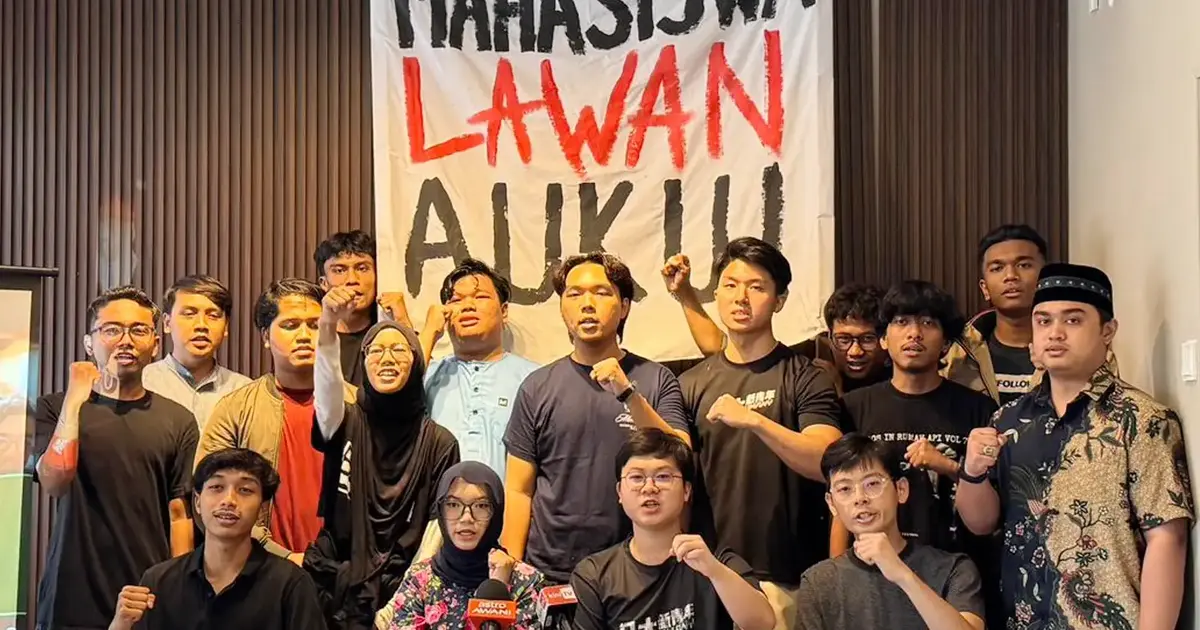
Prime Minister Anwar Ibrahim has given an undertaking that Malaysia will not see the introduction of fresh legislative measures designed to curtail student activism and freedoms in the aftermath of the Universities and University Colleges Act being abolished. His statement represents a significant commitment to preserving space for campus-based civic engagement at a pivotal moment for higher education reform in the country.
The Auku, which governed the conduct of students at public universities for decades, has long been a flashpoint in Malaysian politics and civil society. Enacted during an earlier era of governance, the legislation imposed strict regulations on student political activity, assembly rights, and expression, drawing consistent criticism from human rights groups and student organisations. Its repeal marks a watershed moment in the nation's approach to campus governance and the relationship between government and academic institutions.
Anwar's declaration against introducing restrictive successor legislation carries particular weight given the historical pattern of regulatory tightening following major legal changes. Previous transitions in Malaysian governance have sometimes seen authorities compensate for the removal of one restrictive framework by establishing alternative measures. The prime minister's explicit rejection of this approach suggests a genuine shift in official thinking about how universities should be managed and the role students should play in public discourse.
The implications of this stance extend beyond universities themselves. Student movements have historically served as incubators for broader democratic participation in Malaysia, with campus activists often progressing to leadership roles in civil society, journalism, and politics. By declining to impose new restrictions, the government appears to be acknowledging this developmental role and the potential for student engagement to strengthen rather than undermine democratic institutions.
Southeast Asia broadly has grappled with the tension between maintaining university autonomy and government oversight. While some regional peers have moved toward greater openness, others have implemented increasingly sophisticated mechanisms of control. Malaysia's choice carries significance not only domestically but also as a regional signal about the government's orientation toward academic freedom and youth participation in governance conversations.
The practical interpretation of Anwar's pledge will ultimately matter more than the statement itself. Successor arrangements for managing student conduct could take various forms—from internal university governance codes to less formal regulatory approaches—that might effectively replicate restrictions without explicit legislative backing. Civil society organisations and student groups will likely remain vigilant about how universities implement new frameworks and whether informal pressure replaces formal legal constraints.
The transition away from Auku also raises questions about what governance model should replace it. Universities require some framework for managing campus life, addressing disciplinary matters, and maintaining educational standards. The challenge lies in designing structures that protect institutional integrity and student welfare without recreating the heavy-handed restrictions that characterised the old system. Several Malaysian institutions have begun developing their own codes of conduct, offering a test case for whether decentralised governance can function effectively.
International observers and ranking bodies that assess university freedom and autonomy will likely view Malaysia's direction with interest. Global indicators measuring academic freedom have become increasingly important to universities seeking international partnerships, quality rankings, and research collaborations. A reputation for respecting student rights and campus autonomy can enhance Malaysia's standing as a regional hub for higher education and research.
The broader context of Anwar's government includes reform commitments across multiple sectors and institutions. The decision to repeal Auku aligns with stated objectives around democratisation and modernising governance structures. Whether this reflects deep institutional change or primarily symbolic gesture will become clearer as implementation details emerge and the government navigates inevitable tensions between institutional management and political pressures.
Student organisations and campus leaders have expressed cautious optimism about the Auku repeal but remain focused on ensuring that the government's commitment translates into tangible freedoms. Many have called for transparent consultation processes as universities develop new conduct frameworks, seeking to prevent behind-the-scenes reinstatement of restrictive policies under different nomenclature.
For Malaysia's higher education sector, the period ahead represents both opportunity and risk. Universities have a chance to develop mature governance systems that respect student agency while maintaining academic standards and institutional order. However, success requires genuine commitment from government, university administration, and student bodies to work collaboratively rather than defensively.
The prime minister's assurance will be tested in coming months as concrete policies emerge. Student activists, university administrators, and civil society observers are watching closely to assess whether the pledge represents a fundamental reorientation of Malaysia's approach to campus life or a temporary political gesture. The stakes extend beyond campus boundaries, touching on fundamental questions about how Malaysia envisions its young people's role in building a more open and participatory democracy.

