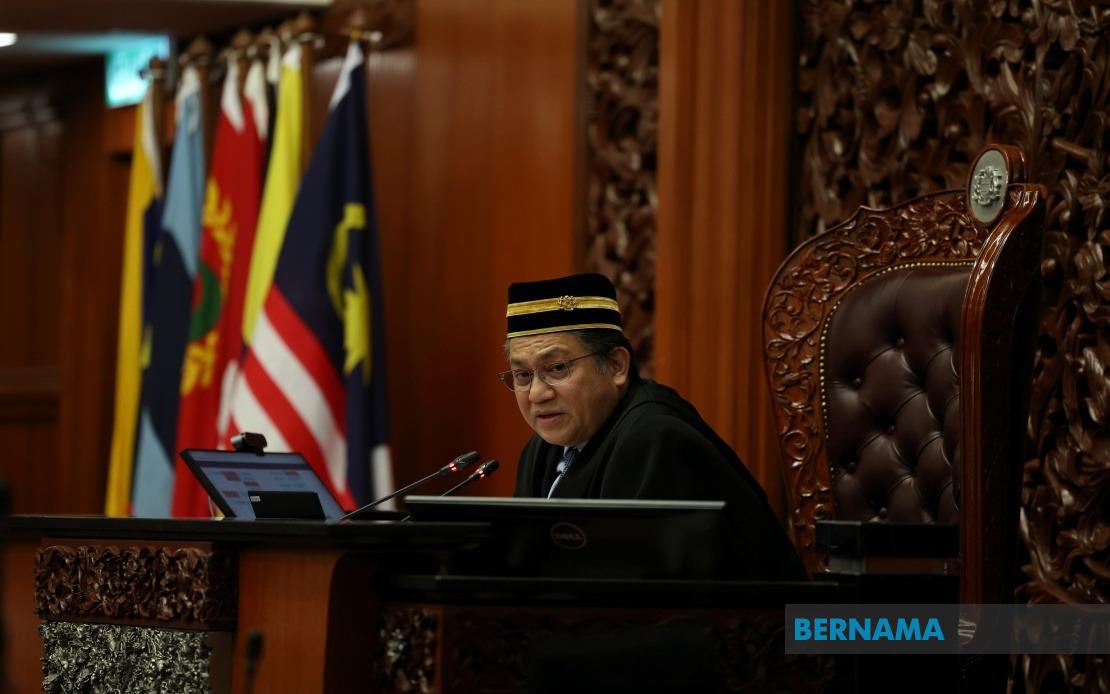
Senator Datuk Nur Jazlan Mohamed has been re-appointed to his second term as Deputy Speaker of the Dewan Negara, Malaysia's upper legislative chamber, in a move that signals continuity in parliamentary leadership. The decision, announced during proceedings in Kuala Lumpur, represents a formal reaffirmation of the 60-year-old politician's stewardship of the chamber's procedural operations, a role he has held continuously since June 2023.
The nomination came through formal parliamentary channels, with Higher Education Minister Datuk Seri Zambry Abd Kadir presenting the sole candidacy on behalf of Prime Minister Datuk Seri Anwar Ibrahim. This unopposed selection underscores broad consensus among the government coalition regarding Nur Jazlan's suitability to continue managing Senate debates and administrative functions. The absence of competing nominations reflects the stability of the current parliamentary coalition and its ability to secure institutional positions without contestation.
Nur Jazlan's reappointment by His Majesty the Yang di-Pertuan Agong extends his tenure for three years, running from June 15 2026 through June 14 2029. This timing aligns with the constitutional five-year parliamentary term structure, ensuring consistent leadership during a critical phase of the 15th Parliament's operations. His reappointment was accompanied by the sworn-in of fellow senator Mussodak Ahmad, who also secured a second term. Both ceremonies occurred before Dewan Negara Speaker Datuk Awang Bemee Awang Ali Basah.
The Deputy Speaker position carries substantial administrative responsibility within Malaysia's bicameral legislature. Beyond presiding over Senate sessions, the Deputy Speaker directs committee operations, facilitates legislative debate, and ensures procedural compliance with parliamentary standing orders. These functions prove particularly important given the Senate's role as a chamber of review, where the upper house examines bills passed by the Dewan Rakyat and provides second-round scrutiny of government legislation. Nur Jazlan's continuity in this role ensures institutional memory regarding complex procedural matters and established protocols.
Nur Jazlan brings considerable parliamentary experience to the position. The UMNO Supreme Council member previously served as Deputy Home Minister from 2015 to 2018 and represented the Pulai constituency in the lower house across four consecutive elections from 2004 until 2018. This background in executive government and parliamentary representation equips him with substantive understanding of both legislative and administrative perspectives, an advantage when mediating between these branches. Additionally, his role as Pulai Division UMNO chief demonstrates his continued influence within the ruling coalition's dominant party structure.
Mussodak Ahmad's concurrent reappointment reflects similar institutional continuity within the upper chamber's composition. The Kedah PAS secretary, who previously contested the Bayu and Guar Chempedak state seats, was initially appointed as a senator representing the Kedah State Assembly in March 2023. His reappointment for another three-year term—running from March 20 2026 to March 19 2029—demonstrates the government's confidence in his performance during the initial tenure. The staggered renewal of senatorial terms ensures institutional stability by preventing simultaneous wholesale changes in composition.
The parliamentary calendar reveals the immediate demands on Senate leadership. The Second Meeting of the Fifth Term commenced on July 20 and extends through August 4, spanning a ten-day sitting period. During such sessions, the Deputy Speaker oversees legislative proceedings, manages parliamentary debate scheduling, and chairs committee meetings where detailed examination of bills occurs. The upper house's review function proves particularly consequential for legislation affecting constitutional matters, state relations, and appointments to public institutions.
Senate proceedings remain crucial to Malaysia's governance architecture despite lower public visibility compared to lower house debates. While the Dewan Rakyat initiates financial legislation and dominates news coverage, the Senate provides proportional representation to all states and appointed expertise through nominated members. This chamber has increasingly challenged government bills, requested amendments, and drawn attention to implementation concerns—functions requiring skilled procedural management. Nur Jazlan's reappointment ensures experienced guidance of these deliberations.
The reappointments also signal the government's satisfaction with current parliamentary management structures. Leadership positions in both houses represent confidence votes in the individuals holding them. Nur Jazlan's unopposed reselection suggests that ruling coalition partners view his stewardship as effective and non-controversial. This stability contrasts with previous periods when Deputy Speaker positions generated internal coalition tensions or faced competitive elections, indicating a more cohesive coalition dynamic.
Looking forward, the expanded senatorial terms through 2029 establish consistency beyond the current parliamentary session. Many significant legislative items—from constitutional amendments to institutional reforms—extend across multiple sittings, requiring continuity in parliamentary procedures and institutional knowledge. Nur Jazlan's three-year mandate provides adequate tenure to implement procedural improvements, mentor younger legislators in Senate traditions, and shepherd complex bills through extended deliberations.
The reappointments also reflect patterns within Malaysia's upper house evolution. Increasingly, the Senate has become a repository for experienced political figures transitioning from electoral politics or serving in advisory capacities. This institutional development strengthens parliamentary committees and provides platforms for expertise in specialized areas. Nur Jazlan exemplifies this evolution, bringing ministerial and parliamentary experience to a chamber where such backgrounds enhance legislative scrutiny.
These administrative appointments, though sometimes overshadowed by executive branch announcements or lower house drama, prove fundamental to parliamentary functioning. Procedurally competent leadership facilitates efficient legislation, enables meaningful debate, and maintains institutional respect. Nur Jazlan's reconfirmation ensures that Malaysia's upper house maintains experienced stewardship during a period when legislative scrutiny and institutional checks remain particularly valuable to democratic governance.

