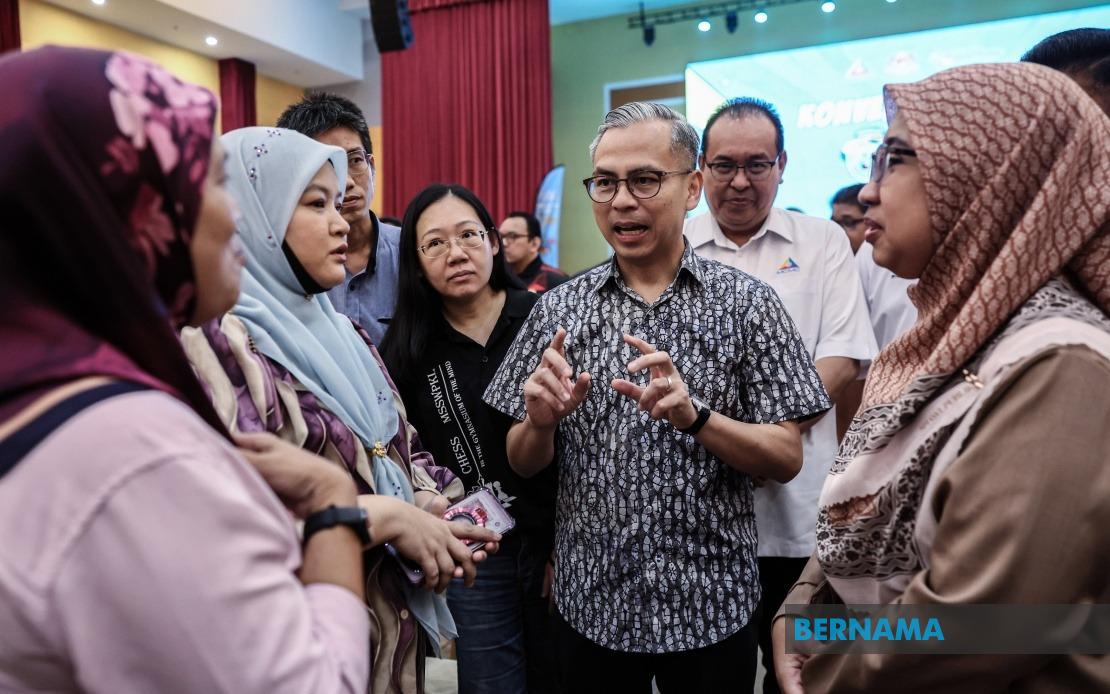
PKR's operations and internal structures will continue functioning smoothly despite Nurul Izzah Anwar stepping back temporarily from her role as deputy president, according to party Information Chief Datuk Seri Fahmi Fadzil. The communications minister made the assurance in Kuala Lumpur on August 8, emphasising that the party's administrative machinery and organisational priorities remain firmly on track as the country navigates what analysts see as a critical phase in government reform efforts.
Nurul Izzah, the daughter of Prime Minister Datuk Seri Anwar Ibrahim, has been granted leave rather than accepting her formal resignation, a distinction that underscores the party's preference to retain her membership during what the leadership describes as a temporary personal absence. The PKR Central Leadership Council rejected her outright resignation, viewing her departure as a hiatus rather than a permanent exit. This decision reflects a broader strategy within the party to maintain continuity and preserve the profile of one of its most prominent female politicians, particularly as Malaysia navigates questions about succession planning and the representation of younger leadership voices within political establishments.
The burden of Nurul Izzah's responsibilities has been transferred to Vice-President Datuk Seri Saifuddin Nasution Ismail, who has accepted the mandate to shoulder deputy presidential duties in her absence. This arrangement suggests careful attention within PKR's hierarchy to ensure no vacuum emerges in the party's senior leadership structure during a period when maintaining internal cohesion carries strategic importance. Saifuddin's elevation to acting capacity signals confidence in his administrative capabilities and provides a measured response to a situation that could otherwise have triggered speculation about leadership instability or factional tensions within the party.
Nurul Izzah's decision to focus on personal matters while pursuing doctoral studies reflects broader conversations within Malaysian politics about balancing public service with individual development and family commitments. Her temporary withdrawal comes at a time when political parties across the region increasingly face scrutiny over work-life integration and the sustainability of demanding leadership roles. The party's accommodation of her request, framed as a leave rather than a resignation, demonstrates flexibility in how political institutions can support members managing competing priorities without creating perceptions of instability or weakness.
When pressed on separate speculation regarding Subang Member of Parliament Wong Chen's potential departure from his parliamentary seat, Fahmi declined to confirm any information, stating that such matters require official channels and announcements through the Dewan Rakyat Speaker Tan Sri Johari Abdul. This measured response reflects standard protocol around parliamentary business while leaving observers uncertain about potential shifts in the party's parliamentary representation. The circumspection suggests ongoing internal discussions that have not yet crystallised into formal decisions.
Questions about the timing of the next general election, which some observers have suggested could occur earlier than currently anticipated, were similarly met with assurance from Fahmi that no accelerated timeline exists under current planning. The government, he indicated, anticipates holding elections by year-end 2025 at the latest, positioning this timeframe as the outer boundary for electoral activity. This framing provides both clarity to investors and civil society groups seeking predictability while leaving some flexibility for circumstances that might necessitate earlier polling.
Fahmi's broader comments about government priorities reveal a leadership team attempting to balance immediate administrative demands with longer-term reform agendas. The federal government's current focus centres on ensuring efficient governance delivery while consolidating support among component parties within the Unity Government coalition. This emphasis reflects awareness that political sustainability depends on demonstrating tangible benefits to constituents and maintaining the delicate coalition dynamics that currently underpin Malaysia's governing structure. The explicit appreciation voiced toward component parties' continued backing of Prime Minister Anwar suggests ongoing negotiations about ministerial portfolios, policy priorities, and the distribution of government resources.
Within Pakatan Harapan and the broader Unity Government framework, commitment to advancing systemic improvements and implementing the reform agenda remains a central narrative. These reforms, political observers note, require sustained effort across multiple institutions and carry implications for everything from corporate governance to institutional accountability. The emphasis on continuing these efforts signals that the administration views reform as essential to its political legitimacy and long-term viability, even as immediate governance challenges demand constant attention.
One matter requiring continued action, according to Fahmi, involves implementing recommendations from the Royal Commission of Inquiry examining Lembaga Tabung Haji's operations from 2014 to 2020. This commission's findings have become emblematic of broader discussions about institutional governance, sovereign wealth management, and accountability in Malaysia's religious endowment sector. The pilgrimage fund's challenges during this period attracted significant scrutiny, and following through on RCI recommendations carries symbolic weight beyond its immediate administrative implications, touching on public confidence in how state institutions manage resources entrusted to citizen pilgrims.
Fahmi hinted that Prime Minister Anwar would soon make several announcements expected to generate positive reception among the public and benefit the nation, though he refrained from elaborating on specifics. Such cryptic signals characterise Malaysian political communication, where advance positioning of policy announcements often precedes formal disclosure. The suggestion that meaningful developments loom on the horizon reflects the government's effort to maintain momentum and sustain public attention on positive initiatives, a particularly important consideration given the pervasive economic concerns and cost-of-living pressures affecting household budgets across Malaysia.
The broader context surrounding these developments involves a government attempting to consolidate its position while managing competing demands from coalition partners with varying priorities and constituencies. PKR's handling of the Nurul Izzah situation—balancing respect for her personal circumstances with organisational continuity—offers a microcosm of how Malaysia's ruling coalition navigates internal complexity while presenting unified governance to the electorate. The approach suggests both maturity in managing sensitive personnel matters and confidence that temporary adjustments in leadership structure will not undermine the party's fundamental organisational strength or its capacity to deliver government services.

