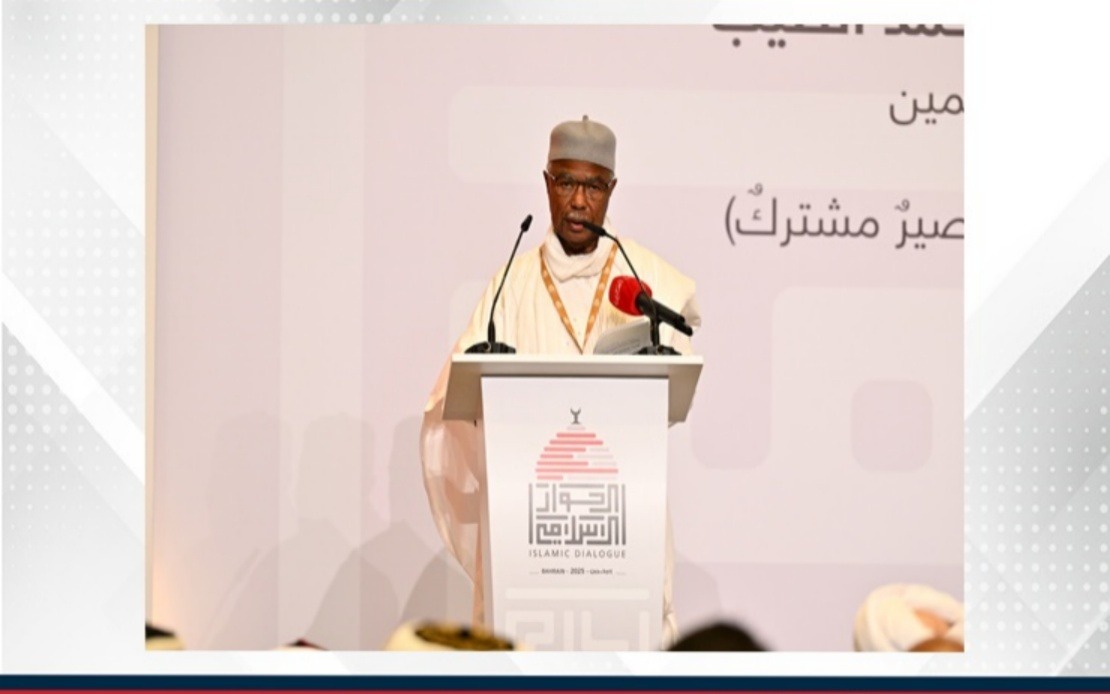
Turkey, Saudi Arabia, and Pakistan have cemented a significant regional security partnership with the signing of the Mecca Joint Defense Agreement, drawing immediate approval from the Organisation of Islamic Cooperation. The landmark accord, inked during a trilateral summit at Al-Safa Palace in Mecca, represents a rare convergence of three major Muslim-majority powers with substantial geopolitical influence across Asia and the Middle East. OIC Secretary-General Sharein Brahim Taha has publicly praised the initiative, characterising it as an instrumental development that underscores the three nations' shared commitment to advancing multilateral cooperation and addressing contemporary security challenges affecting the broader Islamic community.
The timing and composition of this defense arrangement carry particular significance for the region. Turkish President Recep Tayyip Erdogan, Saudi Crown Prince Mohammed bin Salman, and Pakistani Prime Minister Shehbaz Sharif jointly endorsed the pact, signalling a realignment of strategic priorities among three countries that have historically pursued divergent foreign policies. Turkey's role as a NATO member and regional power, Saudi Arabia's position as the custodian of Islam's holiest sites and a leading Gulf state, and Pakistan's status as a nuclear-armed nation with substantial military capabilities, combine to create a formidable trilateral framework. The convergence of these three actors on a common security platform reflects both the gravity of shared threats and a calculated effort to establish collective deterrence mechanisms.
According to information released by Turkish officials, the agreement is deliberately framed as a defensive arrangement with no hostile intentions toward any particular nation. Instead, the architects emphasise that the pact focuses on burden-sharing and coordinated security approaches designed to protect mutual interests. The agreement establishes a collective defense principle whereby military aggression directed against any single signatory is construed as an attack upon all three parties. This mutual defense clause mirrors traditional alliance structures but operates within the Islamic framework, potentially signalling an alternative model of regional cooperation outside traditional Western-centric security architectures.
OIC Secretary-General Taha highlighted how the agreement represents a cornerstone for enhancing security and stability not only within the Middle East and South Asia but across the entire Muslim world. His language underscores the OIC's perception that this pact extends beyond bilateral or regional concerns and carries implications for the broader transnational Islamic community. The organisation views the initiative as embodying a collective determination to tackle mounting security threats—ranging from terrorism and extremism to regional conflicts and geopolitical tensions—through institutionalised cooperation among major Muslim states. This perspective positions the agreement as part of a wider strategy to strengthen intra-Islamic solidarity and collective action.
The defense cooperation framework outlined in the agreement extends across multiple dimensions of security collaboration. The three countries have committed to deepening defense ties, which likely encompasses intelligence sharing, joint military exercises, coordinated procurement initiatives, and enhanced diplomatic coordination on security matters. Such arrangements are particularly significant given the divergent threat perceptions each nation faces. Pakistan confronts security challenges from militant groups and tensions with India; Turkey navigates complex dynamics involving Kurdish separatism, Syrian instability, and regional power competition; while Saudi Arabia addresses threats from Iran-aligned forces, Houthi attacks, and extremist organisations. A coordinated approach allows each party to leverage the capabilities and geographic advantages of its partners.
For Malaysia and Southeast Asia, this agreement merits careful monitoring as it reflects broader trends in how major Muslim-majority nations are repositioning themselves within global security architecture. The pact suggests that traditional bilateral relationships and Western-centric alliances are being supplemented—though not necessarily supplanted—by faith-based or civilisational frameworks of cooperation. This could have implications for how regional organisations like ASEAN engage with major powers and how intra-regional security arrangements evolve. Should the Mecca agreement prove durable and operationally consequential, it may inspire similar initiatives among other Muslim-majority nations seeking to assert greater agency in shaping their security environments.
The OIC's enthusiastic endorsement reflects the organisation's desire to present Islam-centric cooperation as a viable and principled alternative to traditional great-power competition. Secretary-General Taha's characterisation of the agreement as a "fundamental pillar" for regional security positions the OIC as a legitimising institution for such partnerships. This rhetorical investment suggests the OIC hopes this trilateral model might catalyse broader cooperation among its 57 member states, though practical implementation will depend heavily on whether the three signatories can navigate their own bilateral tensions and competing interests. The framework's success will largely hinge on how effectively Turkey, Saudi Arabia, and Pakistan can align their divergent strategic objectives without allowing the arrangement to become hostage to internal disputes.
The explicit non-hostile framing of the agreement warrants particular attention. By emphasising that the pact "targets no country," the signatories are attempting to preempt perceptions that the alliance is directed against Iran, India, or other regional actors. This diplomatic language reflects awareness that such a characterisation could trigger countervailing moves or inflame existing tensions. Nevertheless, the practical effect of a closer Turkey-Saudi-Pakistan security nexus inevitably reshapes regional power balances. Countries throughout the Middle East, South Asia, and even Southeast Asia will likely reassess their own strategic positioning in light of this new constellation of power.
Looking forward, the durability and operational effectiveness of the Mecca Joint Defense Agreement will determine its true impact on regional security architecture. Agreements signed with considerable fanfare sometimes fade into symbolic significance if not backed by sustained institutional commitment and tangible cooperative mechanisms. The three signatories will need to establish working mechanisms for intelligence sharing, military coordination, and crisis management. They must also demonstrate that the alliance can withstand inevitable periods of bilateral tension or divergent positions on specific regional issues. The agreement's success will ultimately be measured not by the enthusiasm of initial endorsements but by whether it produces observable changes in how the three nations approach shared security challenges and coordinate their responses to regional crises.

