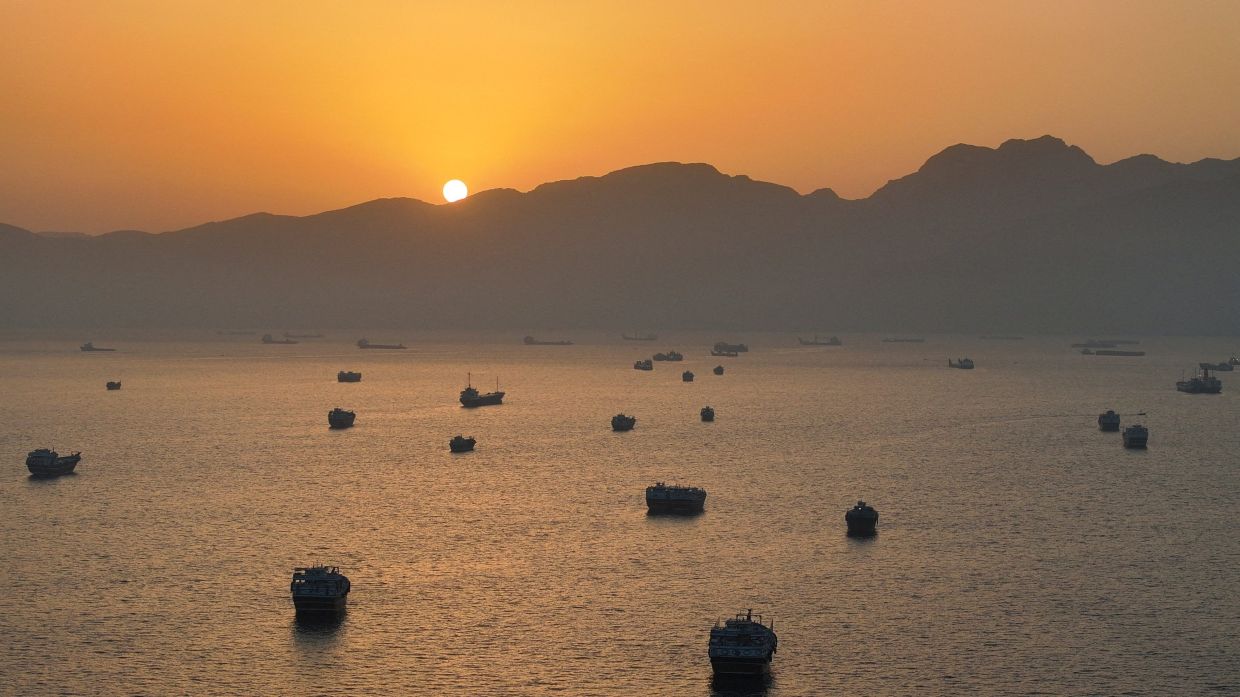
The flow of petroleum products through one of the world's most critical chokepoints is gradually resuming as geopolitical headwinds ease. Three crude oil tankers carrying approximately 5 million barrels departed the Strait of Hormuz on Wednesday, marking a notable shift after weeks of disruption caused by regional conflict. Two of these vessels are bound for Asian markets, signalling a return to normalcy that stands to benefit refiners across the region, particularly in South Korea and India. The movement comes on the heels of an interim agreement between Iran and the United States, which has begun unlocking petroleum supplies that accumulated in the Gulf during the period of heightened tensions.
The South Korean-flagged VL Breeze, a very large crude carrier owned by Hyundai Oilbank, led the exodus with 2 million barrels of condensate and crude sourced from Qatar and Abu Dhabi. Shipping tracking data confirmed the vessel cleared the strait and is now navigating toward the South Korean refining hub of Daesan. This particular shipment carries significance for Hyundai Oilbank's operations, which have been strained by the inability to secure regular supplies. Meanwhile, the Plata Carrier, operating under Indian Oil Corporation's charter, departed with 2 million barrels of Saudi Arabian crude. The Liberian-flagged Suezmax vessel Prudent Warrior simultaneously transited westward carrying 1 million barrels of crude from Iraq's Basrah loading terminal destined for the Omani port of Sohar.
The broader implications of this movement extend well beyond these three individual vessels. Maritime analysts at Kpler and Vortexa had previously estimated that close to 90 million barrels of crude oil remained trapped within the confines of the Persian Gulf region, unable to reach their intended destinations due to shipping disruptions and insurance complications. That figure represents a substantial inventory overhang with ramifications for global crude pricing, as supplies that would normally flow continuously to refineries worldwide have instead accumulated in storage facilities and aboard floating vessels. The gradual release of this backlog through the Strait of Hormuz should provide meaningful relief to crude oil markets that have been volatile throughout the conflict period.
South Korea's maritime administration confirmed on Wednesday that four vessels operated by South Korean shipping companies have successfully transited the strait, with one heading directly to South Korean ports and the others proceeding to unspecified third-country destinations. This represents partial progress in clearing a significant logjam; of the 26 vessels that have been stranded since the Middle East conflict commenced, 18 remain bottled up in the Gulf. The gradual nature of this departure, though encouraging, underscores the persistent challenges to normal shipping operations in what remains a fragile security environment.
The precise routing of these departing tankers through newly established maritime corridors remains somewhat opaque. Oman, in coordination with the International Maritime Organization, has designated two temporary shipping channels positioned north and south of the standard commercial route through the strait. These alternative passages were designed to provide vessels with safer transit options while current tensions persist. Oman has publicly committed to maintaining the strait's accessibility to international shipping without implementing any tolls or additional charges, positioning itself as a stabilizing force in regional maritime commerce. However, whether the three vessels mentioned had specifically utilised these safety corridors has not been definitively confirmed.
Perhaps most tellingly, the liquefied natural gas shipping sector is beginning to show signs of normalisation. Two empty LNG tankers—the Shandong Redwood and Milaha Qatar—have been observed west of the strait preparing to load cargoes from Qatar's export terminals. This brings the total number of empty LNG vessels actively transiting the strait to load Qatari gas to nine, the highest number recorded since the conflict began. The uptick in LNG vessel traffic signals that major suppliers and customers are gaining confidence in sustained passage through the waterway, a psychological threshold that often precedes broader resumption of normal trade flows.
Qatar, one of the world's largest LNG exporters, appears poised to substantially increase its output in the coming weeks. The Financial Times reported that Qatar's Prime Minister Sheikh Mohammed bin Abdulrahman al-Thani indicated the nation would return to normal production levels within a matter of weeks. This announcement carries weight for global energy markets, particularly for countries like Japan, South Korea, and India that depend heavily on liquefied natural gas imports. Any acceleration in Qatari production would help address energy supply concerns across Asia that have mounted during the period of restricted Gulf shipping.
For Malaysian readers and the broader Southeast Asian business community, these developments offer multiple layers of significance. The region's economy depends substantially on stable energy supplies and uninterrupted shipping lanes. Malaysia itself imports significant quantities of crude oil and natural gas, and major Malaysian companies operate refineries and petrochemical facilities that require steady feedstock supplies. The Strait of Hormuz remains the gateway through which much of Asia's oil transits, making any prolonged disruption to that waterway a direct threat to regional economic stability and industrial production. The easing of tensions signified by these vessel departures therefore carries strategic importance beyond immediate petroleum pricing.
The ripple effects of improved Hormuz throughput will likely extend to petrochemical markets and downstream energy-intensive industries throughout Southeast Asia. Malaysian refineries and petrochemical manufacturers operating on thin margins benefit when crude supplies become more readily available and prices stabilise. Conversely, prolonged disruptions push input costs higher and compress profitability. The interim Iran-US agreement and the resulting gradual unwinding of the supply bottleneck therefore represent a stabilising force for the region's industrial competitiveness. As more tankers successfully navigate the strait over coming weeks, shipping insurance premiums should decline, further reducing the effective cost of petroleum imports to regional buyers.
The situation remains fluid, however, and optimism must be tempered with caution. Eighteen stranded vessels remain in the Gulf, and geopolitical conditions that triggered the initial disruptions have not been entirely resolved. The interim nature of the Iran-US agreement suggests ongoing negotiations and the possibility of renewed tensions if negotiations stall or break down. Additionally, the humanitarian and political dimensions of the Middle East conflict continue to generate uncertainty that could affect shipping confidence and insurance availability. Maritime operators remain somewhat hesitant to commit capital and vessels to Gulf operations until greater certainty emerges about the sustainability of the current de-escalation.
Longer-term implications for energy supply strategies across Asia are also worth considering. The experience of being cut off from Gulf supplies, even partially and temporarily, has prompted serious reflection among regional governments and energy companies about diversification of supply sources and energy security planning. Some analysis suggests that this episode may accelerate investment in alternative energy infrastructure, including liquefied natural gas terminals, renewable energy capacity, and potentially renewed interest in domestic energy resources. These structural adjustments, if pursued seriously, could reshape regional energy markets in ways that outlast the current geopolitical episode.
As the week progresses, shipping activity through the Strait of Hormuz will likely provide the clearest indicator of whether the thaw in tensions represents a genuine, lasting shift or merely a temporary pause in ongoing turbulence. Additional vessel departures and a sustained acceleration in throughput would signal genuine market confidence in the durability of the interim agreement. Energy traders, shipping companies, and Asian refineries are watching intently, as the movement of these tankers carries profound implications for global oil prices, regional industrial competitiveness, and economic growth across Southeast Asia and beyond.