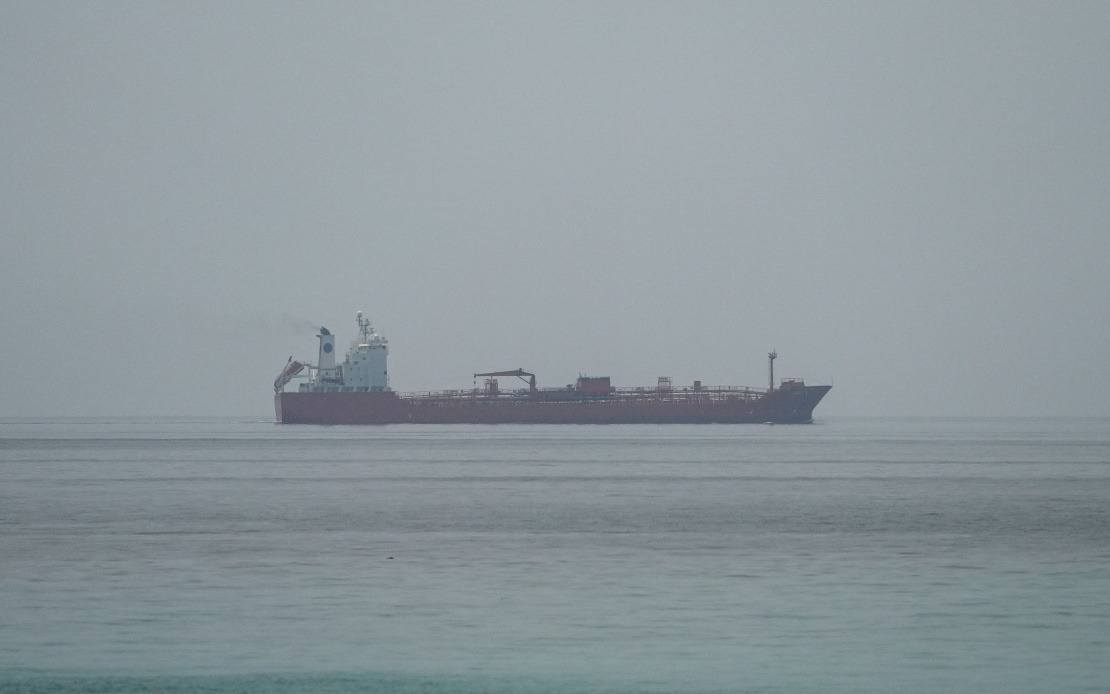
Oman has thrown its weight behind the memorandum of understanding reached between the United States and Iran, with Muscat providing reassurance that maritime passage through the Strait of Hormuz will remain open and without charge. The endorsement came during Thursday's joint ministerial gathering between the Gulf Cooperation Council and Washington in Bahrain, where Omani Foreign Minister Badr Albusaidi delivered remarks highlighting his nation's distinctive position in the regional security architecture. His statement carries particular significance given Oman's geographical location as a coastal power overlooking one of the world's most strategically vital maritime chokepoints.
Albusaidi framed Oman's commitment within a broader framework of international responsibility, emphasising that as a state bordering the Strait of Hormuz, Muscat shoulders special obligations to support global efforts aimed at safeguarding maritime navigation in accordance with established international conventions and the United Nations Convention on the Law of the Sea. This language underscores how Oman views itself not merely as a regional actor but as a guardian of international norms governing freedom of navigation. The minister's explicit pledge that future arrangements would not include transit levies represents a deliberate clarification, potentially addressing concerns that any restructuring of Hormuz governance might introduce new impediments to commerce.
The timing of Oman's statement reflects the broader significance of the Iran-US understanding, which represents a substantial shift in West Asian geopolitics after months of escalating military confrontation. The agreement, formally entering into force on June 18 following electronic signature by Iranian President Masoud Pezeshkian and US President Donald Trump, encompasses fourteen distinct provisions that address multiple sources of regional conflict. These measures extend beyond the Strait of Hormuz to encompass ceasefire arrangements across Lebanon and other theatres, the reopening of the critical waterway to shipping, and the lifting of the American naval blockade that had constrained Iranian maritime activities.
Pakistan's role as mediator in these negotiations underscores how regional powers beyond the Gulf are invested in reducing tensions in West Asia, given the implications for broader Asian stability and energy security. The framework emerged from a period of intense hostility triggered by coordinated US and Israeli military strikes against Iranian targets in late February, which prompted retaliatory Iranian attacks directed at Israeli positions and at American military installations throughout the region. These tit-for-tat escalations had raised alarm among regional governments and international observers regarding the potential for further deterioration.
Oman's diplomatic positioning in this context reflects its longstanding role as a pragmatic mediator and regional stabiliser. Unlike some GCC members with more confrontational postures toward Iran, Muscat has historically maintained diplomatic channels and pursued dialogue-based solutions to regional disputes. This characteristic approach became particularly evident during the earlier nuclear negotiations between Iran and world powers, when Oman provided a discreet venue for preliminary talks. Albusaidi's statements therefore represent continuity with established Omani foreign policy rather than a dramatic pivot.
For Malaysia and other Southeast Asian economies, the implications of sustained free passage through the Strait of Hormuz extend beyond abstract principles of international law. Approximately one-third of global maritime trade passes through this narrow waterway, with energy shipments representing a substantial proportion of that flow. Any disruption to Hormuz traffic creates immediate ramifications for Asian supply chains and energy costs. Malaysia's substantial role in regional trade and its dependence on Middle Eastern energy supplies mean that the stability of this crucial transit route directly influences domestic economic performance and inflation pressures.
The GCC-US consultative mechanism referenced in Albusaidi's remarks represents the formal institutional structure through which Gulf states and Washington coordinate on security matters. These regular meetings address not only immediate security challenges but also broader questions of economic cooperation and political alignment. The June gathering occurred against a backdrop of ongoing regional developments that required careful management, as various state and non-state actors adjusted to the new parameters established by the Iran-US understanding.
The explicit guarantee regarding transit fees deserves particular analytical attention, as it addresses a specific concern that may have circulated among maritime traders and policymakers. Some observers harboured anxieties that any Iranian involvement in Hormuz governance following the agreement might entail new financial barriers or procedural complications. Albusaidi's unambiguous statement, made in a multilateral forum with international media coverage, provides a formal diplomatic commitment that effectively forecloses this scenario. This reassurance carries weight precisely because Oman's reliability and diplomatic credibility depend on honouring such declarations.
The broader context of Omani-Iranian relations also informs the significance of Muscat's endorsement. Oman shares maritime boundaries and substantial commercial ties with Iran, and has long maintained friendly relations with its eastern neighbour despite geopolitical differences. Albusaidi's backing for the agreement therefore reflects genuine alignment with Iranian interests in securing regional stability, rather than merely deferring to American preferences. This authentic commitment from a GCC member carries greater credibility than might otherwise be expected.
Looking forward, the success of the Iran-US understanding will depend partly on whether regional powers such as Oman can sustain the diplomatic effort required to prevent backsliding or the emergence of new tensions. The memorandum's provisions require ongoing coordination and goodwill implementation across multiple domains. Oman's continued emphasis on the Strait of Hormuz as a shared regional responsibility, governed by international law rather than by bilateral great-power competition, suggests that Muscat intends to play an active role in cementing the agreement's success.
For maritime insurance companies, shipping firms, and energy traders operating across Asian markets, Oman's assurances regarding free passage provide important guidance for commercial calculations and risk assessment. The clarity that Hormuz transit will not incur new fees enables more confident planning of logistics networks and hedging strategies. Whether this commitment can withstand future political turbulence remains an open question, but Albusaidi's public statements establish a clear diplomatic expectation that subsequent Omani governments would find difficult to abandon without substantial cost to national credibility.

