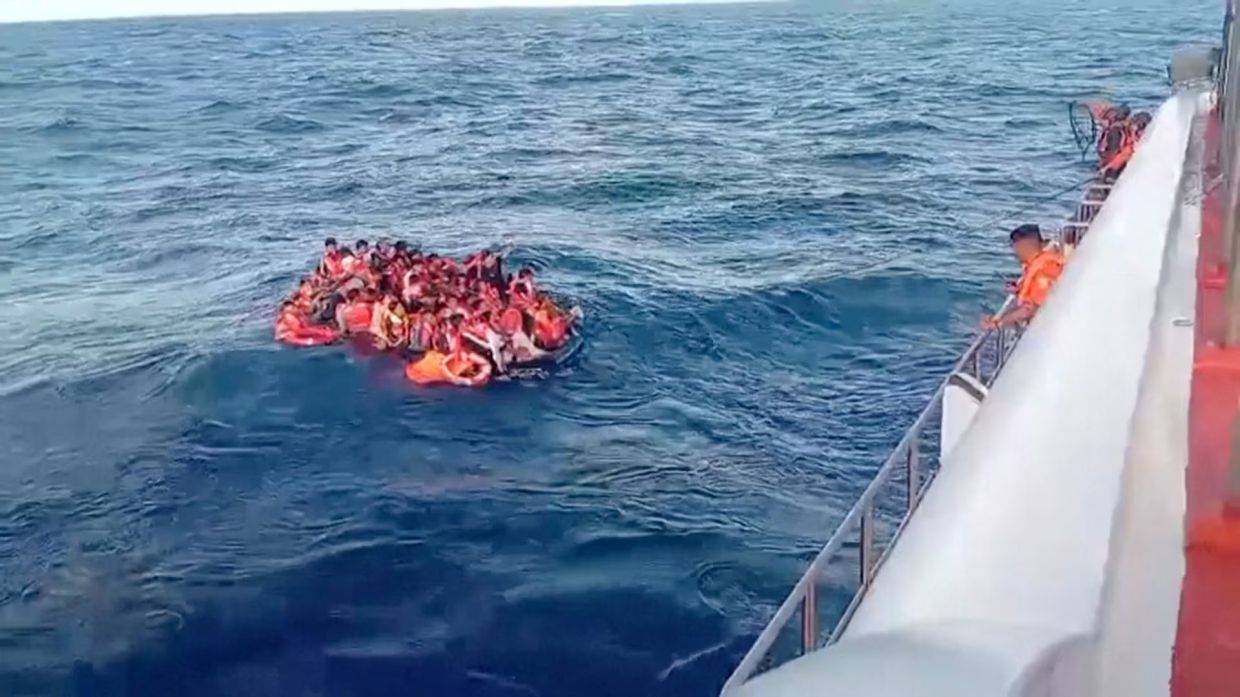
A passenger ferry erupted in flames off Bali on Wednesday morning, prompting one of the region's largest maritime rescue operations in recent months. The Putri Yasmin caught fire at approximately 4:15 a.m. local time while travelling from the holiday destination of Bali toward neighbouring Lombok, claiming the life of one Indonesian woman. A coordinated response involving Indonesia's National Search and Rescue Agency, the Indonesian Navy, maritime police, and vessels passing through the area managed to pull 211 people to safety, averting what could have been a catastrophic loss of life in what authorities described as a dangerous maritime incident.
Local Indonesian authorities confirmed the fatality through an official report released Thursday morning, though details about the victim and the exact circumstances surrounding her death remain limited. The successful evacuation of the overwhelming majority of those aboard stands as the bright spot in an otherwise troubling incident, with rescue teams executing coordinated operations that delivered survivors to reception points across both Bali and Lombok. Officials emphasized that the evacuation procedures were conducted "safely and smoothly," suggesting that existing maritime safety protocols, when properly activated, can still function effectively during emergencies.
However, the incident has exposed significant gaps in vessel management and passenger documentation systems. The ferry's official manifest contained the names of 131 passengers and crew members, including 17 crew aboard, but authorities later discovered that additional unregistered passengers had boarded the vessel at the time of the emergency. This discrepancy raises troubling questions about how accurately Indonesian maritime authorities track passenger numbers and enforce pre-departure regulations. For a nation composed of more than 17,000 islands where ferry transport forms the backbone of inter-island connectivity, such lapses in basic administrative oversight present genuine safety vulnerabilities that could complicate future rescue efforts and hamper casualty investigations.
The investigation into what triggered the blaze has been assigned to Indonesia's National Transportation Safety Committee, working alongside the Lembar Port Authority to determine root causes. Preliminary assessments indicate substantial material losses encompassing the vessel itself, vehicles stored aboard, and cargo in transit, though complete damage valuations are still being compiled. These findings will be critical for understanding whether the fire resulted from mechanical failure, inadequate maintenance, structural defects, or human error. Each possibility points toward different systemic issues within Indonesia's ferry operations sector that may require targeted regulatory intervention.
Ferrry transportation remains indispensable across the Indonesian archipelago, connecting isolated communities and supporting tourism to destinations like Bali and Lombok that anchor significant portions of the national economy. The sheer geographic scale of Indonesia—spanning three time zones and encompassing the world's largest collection of islands—means that maritime routes represent the only practical transportation corridors for millions of citizens. Yet this critical infrastructure has long struggled with inconsistent safety enforcement and operational standards that vary dramatically between vessels and operators, creating an unpredictable environment where travellers cannot be assured of equivalent safety measures regardless of which ferry service they select.
Weather patterns across the Indonesian maritime zone compound these structural vulnerabilities. The tropical waters and seasonal monsoon systems around Bali and Lombok can generate sudden squalls and rough seas that test vessel seaworthiness and crew competency. When combined with aging ferry fleets, insufficient maintenance budgets, and variable compliance with international maritime safety conventions, these environmental challenges create a compounding risk profile that regularly produces maritime disasters. The Wednesday fire near Bali represents merely the latest incident in a pattern that has claimed dozens of lives across Indonesia's ferry network over the past decade.
For Malaysian travellers and regional maritime observers, the incident underscores the importance of exercising caution when booking passage on smaller regional ferries, particularly in Indonesia's eastern provinces. While major carriers and newer vessels generally maintain respectable safety standards, the significant variation in ferry fleet quality across Southeast Asia means that due diligence in vessel selection remains prudent. Malaysian maritime authorities and insurance companies have long flagged the disparity between safety standards in Malaysia's ferry operations—subject to relatively stringent regulatory oversight—and those in neighbouring countries where enforcement remains sporadic.
The multi-agency rescue response demonstrates that Indonesian emergency services possess the capacity and coordination mechanisms necessary to respond effectively when disasters strike. The swift mobilization of naval assets, dedicated search and rescue personnel, and civilian cooperation prevented what easily could have become a mass casualty event. This capability provides some reassurance that despite systemic vulnerabilities in prevention and regulation, the nation's response infrastructure can still function under pressure. Whether these capabilities will translate into improved preventive measures, however, remains an open question.
Authorities must now grapple with whether the Putri Yasmin incident will catalyze meaningful regulatory reform or represent simply another tragedy absorbed into Indonesia's ongoing maritime safety challenges. The discrepancy between passenger manifests and actual boarding numbers suggests that enforcement of basic operational requirements remains inconsistently applied. Addressing these gaps would require sustained political commitment to maritime safety improvements, enhanced inspector training, stricter penalties for non-compliance, and perhaps most challenging, broader fleet modernization investments that many private operators view as economically burdensome. Until such systemic improvements materialise, Indonesian ferry passengers will continue to bear an elevated risk that their journeys across the archipelago might be interrupted by preventable accidents.

