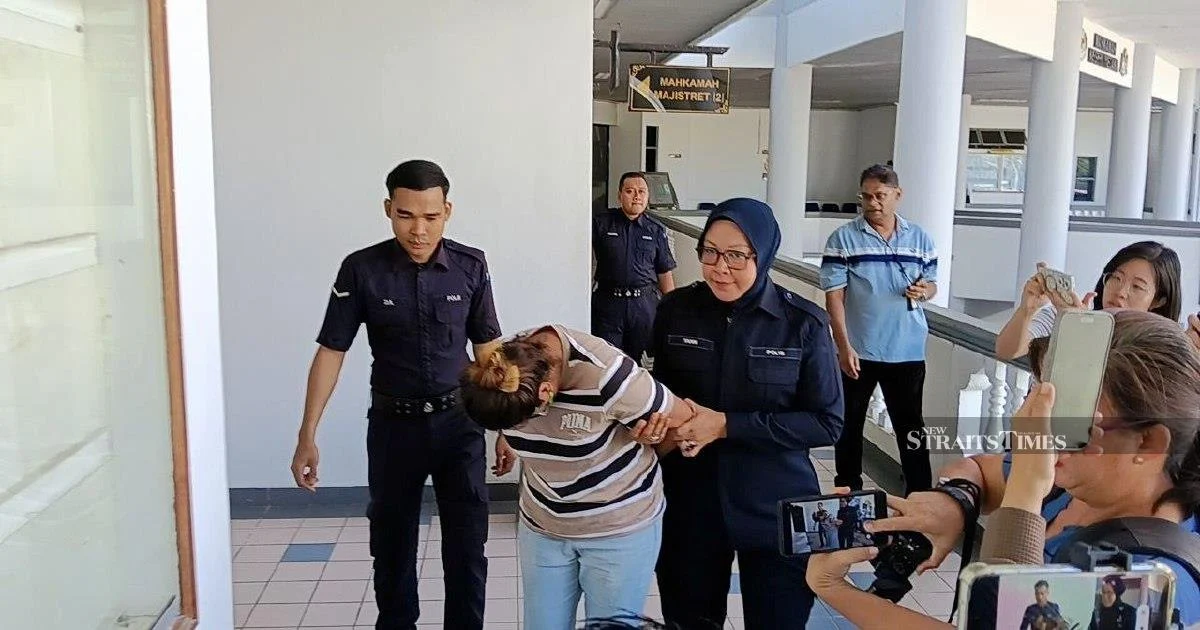
A woman operating an online retail business made her court appearance in Melaka today after authorities alleged she possessed pornographic material and circulated doctored photographs across social media platforms. The accused, who appears in the Ayer Keroh magistrate's court, is accused of distributing the manipulated images of another woman without consent during the preceding month, marking an escalating concern about image-based abuse in Malaysia's digital ecosystem.
The case highlights the growing intersection of cybercrime, image manipulation technology, and harassment through digital channels that increasingly characterises modern Malaysia. The charge encompasses two distinct yet interconnected offences: possession of obscene material and the deliberate sharing of non-consensual intimate imagery, whether authentic or artificially created. These categories of violations have become more prevalent as smartphone technology and AI-driven editing applications make the creation and distribution of fake intimate images progressively easier for perpetrators.
Digitally manipulated intimate imagery represents a particularly insidious form of harassment that leaves victims psychologically traumatised while presenting unique enforcement challenges for law enforcement agencies. Unlike traditional pornography offences that involve commercial distribution of pre-existing material, doctored nude photographs represent bespoke harassment tailored to specific individuals. The perpetrator must first obtain an existing photograph, then deploy editing tools to fabricate intimate content, and subsequently disseminate the manipulated images across social networks designed to maximise visibility and humiliation. Each stage compounds the violation and amplifies potential damage to the victim's reputation and psychological wellbeing.
Malaysia's legal framework addresses such offences primarily through provisions within the Communications and Multimedia Act 1998, which criminalises the transmission of obscene materials via electronic networks. However, the distinction between authentic obscene content and fabricated intimate imagery remains a complex jurisdictional question that courts continue to navigate. The charges brought against the accused suggest prosecutors are interpreting existing statutes broadly to encompass digitally altered intimate images, even when they depict individuals in circumstances that never actually occurred. This approach reflects judicial pragmatism in adapting older legislation to address contemporary forms of harassment that lawmakers could not have envisioned during previous legislative sessions.
The victim's experience represents a pattern that has become disturbingly commonplace across Southeast Asia, particularly as social media penetration expands and digital literacy remains inconsistent across demographic groups. Young women and girls represent the predominant targets of such harassment, though victims span all age categories and professional backgrounds. The psychological impact of discovering one's image has been doctored into explicit content and shared publicly creates lasting trauma, often accompanied by anxiety about future employment prospects, relationship stability, and public perception. In conservative societies like Malaysia, where stigma surrounding sexuality remains pronounced, such victimisation carries heightened social consequences compared to Western contexts.
The online seller's profession adds another dimension to the case, suggesting the accused may have possessed technical capabilities or platform access that facilitated wider distribution of the manipulated images. Online retailers operating through social media channels often maintain substantial follower counts and engagement metrics that amplify the reach of any content they share. This distinction carries serious implications for sentencing considerations, as courts increasingly recognise that perpetrators with significant digital platforms bear heightened responsibility for the dissemination and social impact of their illegal content. The defendant's commercial online presence may therefore be regarded as an aggravating factor rather than merely incidental background information.
Local authorities have intensified their focus on cybercrime cases involving image-based abuse, reflecting growing recognition of this violation's pervasiveness and psychological severity. The Royal Malaysia Police's dedicated cybercrime units have expanded investigative capacity and inter-agency coordination with the Malaysian Communications and Multimedia Authority to identify perpetrators operating across multiple platforms. However, enforcement remains hampered by jurisdictional complexity when images cross state boundaries or international borders, technical challenges in tracing anonymous accounts, and resource constraints limiting comprehensive monitoring of social media networks. The decision to prosecute this particular case suggests investigators prioritised the matter based on the severity of distribution and identifiability of both perpetrator and victim.
The Ayer Keroh magistrate's court proceedings will likely establish precedent for how Malaysian courts treat artificially generated or manipulated intimate imagery within the pornography and obscene materials framework. Whether courts classify such doctored images as equivalent to authentic pornography carries significant implications for sentencing severity, victim compensation assessments, and future legislative clarification. Advocacy groups working on digital safety and women's rights issues have called for Parliament to enact dedicated legislation specifically addressing non-consensual intimate image abuse, rather than relying upon existing communications regulations designed for broader categories of obscene material. Such legislation could establish clearer standards, enhanced penalties, and explicit victim protection measures that existing statutes do not adequately provide.
The case also raises important questions about platform responsibility, as social media networks through which the doctored images were distributed have faced increasing scrutiny regarding content moderation and prevention of harassment. While major international platforms maintain community standards prohibiting non-consensual intimate imagery, enforcement remains inconsistent and often reactive rather than proactive. Malaysian authorities and civil society organisations have begun engaging directly with technology companies to improve detection algorithms, faster removal processes, and cooperation with law enforcement investigations. The upcoming trial may pressure platforms to implement more sophisticated filtering systems and stricter verification requirements before permitting image uploads in certain categories, balancing accessibility with safety imperatives that remain contested among different stakeholder groups.

