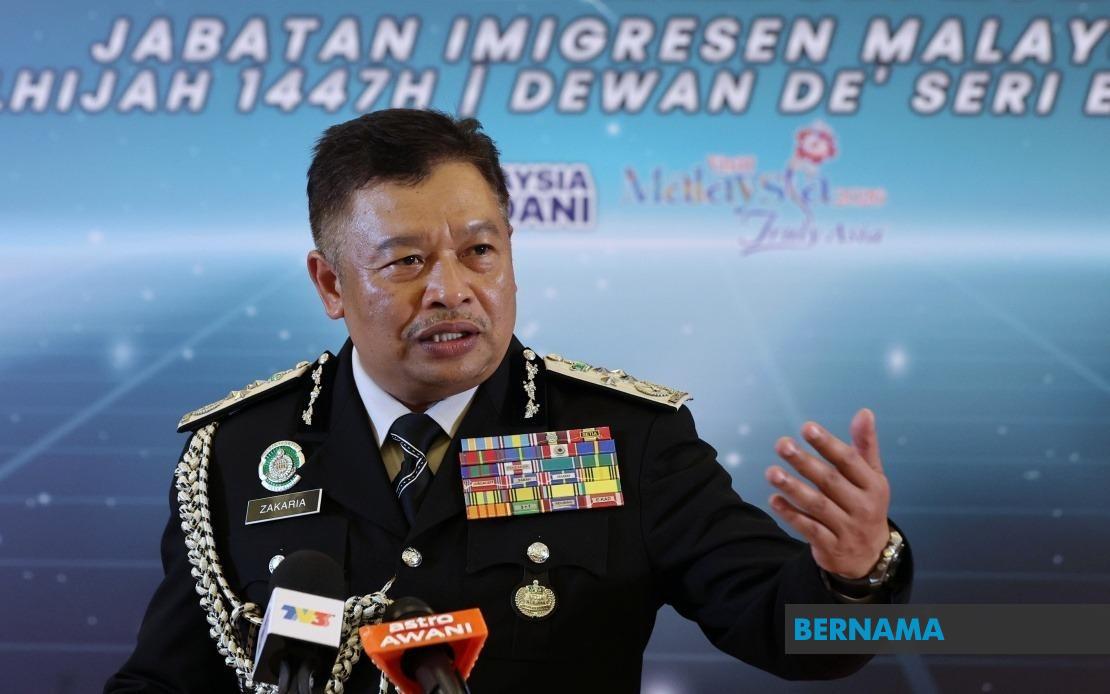
The temporary suspension of extended validity periods for Malaysian International Passports affects a relatively small segment of the travel ecosystem, with Immigration Director-General Datuk Zakaria Shaaban confirming that merely two airlines have reported technical difficulties when processing documents valid beyond the standard decade. Speaking at a press conference in Putrajaya, Zakaria emphasised that the constraint reflects operational challenges within specific carrier systems rather than any international policy shift that would see nations or carriers rejecting Malaysian travel documents outright.
The distinction between the root causes of this technical hiccup is crucial for Malaysian passport holders seeking clarity. Airlines typically deploy global standardised systems for document verification at check-in and boarding gates, and when incompatibilities arise, they affect only those carriers operating with outdated or incompatible software architectures. By contrast, many competing airlines have demonstrated no difficulties whatsoever in processing the extended-validity documents, suggesting the problem is neither widespread nor systemic across the aviation industry.
Malaysia's Immigration Department had previously implemented a pragmatic passenger benefit: when Malaysians renewed their passports while their existing documents still contained substantial validity—more than six months, specifically—the new passport would receive an additional six months tacked onto the standard ten-year term. This practice sought to prevent citizens from unnecessarily losing unexpired document validity during the transition to a fresh passport. However, the simultaneous emergence of airline system incompatibilities prompted the department to suspend this supplementary extension with immediate effect, pending resolution with the affected carriers and coordination with the International Civil Aviation Organization.
The fundamental distinction Zakaria drew between the suspension and the core passport validity scheme deserves emphasis for anxious travellers. The standard ten-year validity period for Malaysian International Passports remains entirely operative and has never experienced discontinuation. What has been temporarily mothballed is solely the additional six-month buffer that the department previously granted to applicants whose old passports retained unexpired time. This targeted approach minimises disruption while the technical glitches are resolved.
From a regional and international perspective, the issue reflects broader challenges within aviation's aging infrastructure. Global standardised systems, while designed for universal interoperability, sometimes struggle when deployed across vastly different technological environments and legacy platforms. The International Civil Aviation Organization, which establishes worldwide standards for travel documents and passenger processing, will play a pivotal role in facilitating dialogue between Malaysia's Immigration Department and the two affected airlines to engineer a solution that ensures seamless processing.
The proactive response from Malaysia's Immigration Department to offer complimentary passport replacement for citizens who have already received documents with the extended ten-year-and-six-months validity period demonstrates administrative responsibility and passenger-centric governance. Rather than leaving affected Malaysians navigating uncertainty, the department is absorbing the administrative and fiscal cost of reissuing travel documents to eliminate potential boarding complications. This approach mitigates travel disruptions and reinforces confidence in the national passport system's reliability.
The implications for Malaysian business travellers, tourists, and migrant workers warrant attention. While only two airlines currently report difficulties, uncertainty about whether other carriers might experience similar challenges could create anxiety during the booking and travel phases. Malaysians planning international journeys should verify with their chosen airline whether passport validity periods exceeding ten years will be processed without impediment, rather than assuming universal compatibility.
The technical nature of this challenge also illustrates the intersection between government policy and commercial aviation operations. Immigration departments design passport systems to facilitate legitimate travel, while airlines bear responsibility for ensuring their document-scanning and verification infrastructure can accommodate valid credentials presented by passengers. When misalignment occurs, neither party is inherently at fault; rather, the situation demands collaborative troubleshooting to restore seamless operations.
Looking ahead, this incident underscores the imperative for aviation stakeholders across Southeast Asia to audit their systems' compatibility with evolving passport specifications. As nations implement security enhancements and validity innovations, carriers must ensure their infrastructure can accommodate these changes without introducing operational friction. The International Civil Aviation Organization's involvement in facilitating this resolution may establish precedents for preventing similar incompatibilities within the region's aviation ecosystem.
For Malaysian citizens currently holding passports with validity periods exceeding ten years, the practical guidance remains straightforward: check directly with their airline before travel to confirm whether their document will process without complications. The temporary suspension affects new passport applications going forward, not existing valid documents in circulation. This phased approach allows the Immigration Department to resolve the underlying airline system issues while minimising retroactive inconvenience to passport holders who have already obtained documents under the previous rules.

