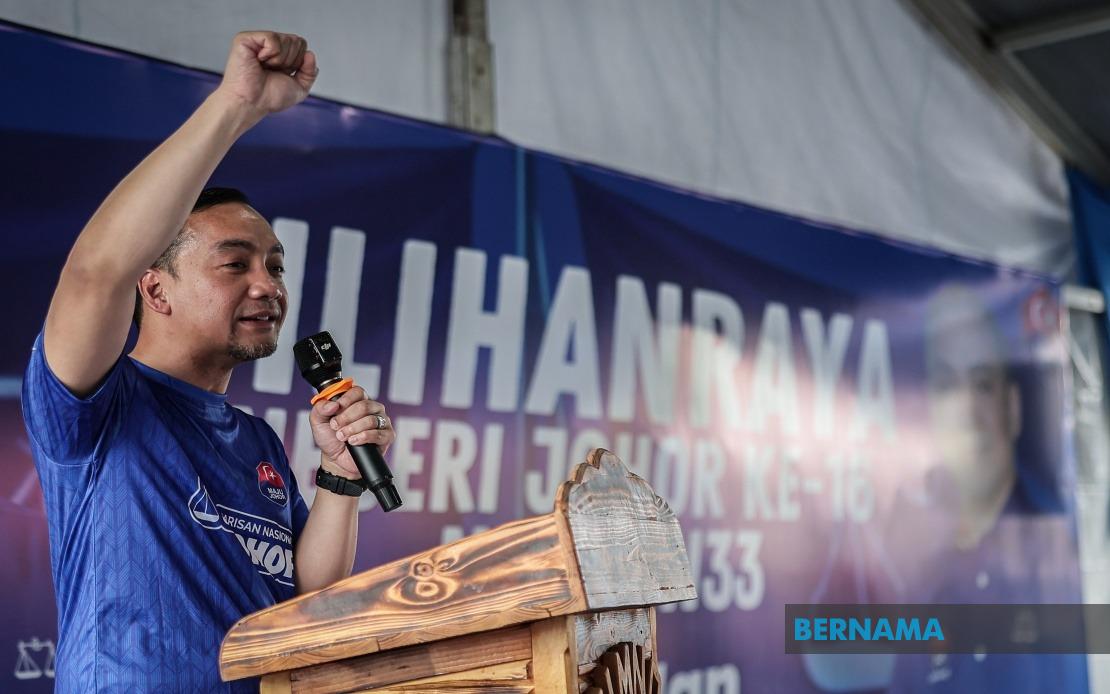
The Barisan Nasional coalition is banking on strengthened campaign momentum in the final stretch before Johor voters head to the polls on July 11, with the party machinery reporting enthusiastic public backing for its candidate in the Endau seat. Speaking during a campaign event in Mersing, BN chairman Datuk Onn Hafiz Ghazi highlighted the notably positive reception that Alwiyah Talib, affectionately referred to as "Kak Awi" by constituents, has received as she contests for the coalition. The warmth from the local community, he suggested, represents a significant morale boost for BN operatives as they intensify their ground operations in the final week before voting.
Alwiyah's candidacy carries particular symbolic weight for the BN, as her decision to return to the coalition's fold after several years with the opposition embodies the spirit of what UMNO president Datuk Seri Dr Ahmad Zahid Hamidi has termed the "Rumah Bangsa" concept. This philosophical framework emphasises bringing together politicians and supporters across the political spectrum into a unified coalition structure. For BN strategists, Alwiyah's migration back to the coalition represents not merely a personnel shift, but rather a broader statement about the BN's capacity to rebuild itself by welcoming back members who had previously ventured into rival political camps.
As Johor's Menteri Besar, Onn Hafiz positioned Alwiyah's nomination as indicative of the BN's pragmatic approach to governance and coalition-building. He acknowledged her extensive track record of community service during her time with other political vehicles, suggesting that the BN harbours no lingering reservations about her previous political affiliation. This messaging appears designed to neutralise potential criticism from within BN ranks about bringing back a defector, while simultaneously attempting to appeal to swing voters who might view such cross-party movements as evidence of flexibility and inclusivity rather than political opportunism.
The context of Alwiyah's electoral history adds another layer to her current candidacy. In the 2022 Johor state election, competing under the Perikatan Nasional banner, she successfully retained the Endau seat with a majority of 3,041 votes in a five-cornered contest—a respectable margin that demonstrated her personal electoral appeal transcends party labels. Before that, she had captured the constituency under the BN's own colours during the 14th General Election, giving her a track record of victory across multiple electoral cycles and political alignments.
Onn Hafiz's remarks about the state campaign proceeding without "any untoward incidents" point to a broader concern within the BN's strategic calculations. The Johor state election, scheduled just weeks after the broader national political context has shifted, carries implications for how the coalition will position itself heading into future federal-level contests. A decisive BN performance could provide psychological momentum and demonstrate organisational capability at the state level, factors that often translate into confidence among party grassroots and donor networks.
The campaign machinery in both Endau and the neighbouring Tenggaroh constituency, represented by BN candidate Mohd Youzaimi Yusof, reportedly stands at high alert. According to the party leadership, operatives are fully mobilised and committed to achieving victories in both seats. This twin-seat focus reflects how BN is structuring its Johor campaign around specific battlegrounds where it believes conditions are favourable. Early voting is scheduled for July 7, giving the party an additional opportunity to gauge voter sentiment and mobilise supporters who might otherwise be unavailable on polling day.
The broader significance of this election for Malaysian politics extends beyond the immediate contest in Johor. The state has historically served as a testing ground for electoral strategies, given its size, demographic diversity, and political volatility. A strong showing would vindicate BN's approach to rebuilding through figures like Alwiyah, while setbacks could prompt recalibrations in how the coalition calibrates its messaging about unity and inclusivity. For observers tracking BN's trajectory after its earlier electoral setbacks, the Johor outcome will offer early signals about whether the party's rehabilitation efforts are resonating with voters.
Alwiyah's candidacy also reflects broader demographic and generational dynamics within Johor politics. As a woman candidate leading a significant constituency, her prominence within the BN slate potentially appeals to female voters who have shown increased electoral engagement in recent cycles. The "Kak Awi" moniker itself—using the affectionate abbreviation of her name—suggests strong personal brand recognition within Endau, an asset that typically proves decisive in state-level contests where personal relationships and community ties often outweigh national political narratives.
Looking ahead to the July 11 polling day, Onn Hafiz's expressed confidence reflects the BN's internal assessment that current trajectory favours the coalition. He framed the party's prayer that "this momentum continues right up to polling day" as both a spiritual invocation and a recognition that campaign dynamics remain fluid. The three-week window separating his remarks from actual voting provides time for external events or opposition counter-offensives to potentially shift voter sentiment, underscoring why BN leadership is emphasising the need to sustain rather than take for granted the apparent enthusiasm they believe they have generated.
For Southeast Asian observers tracking Malaysia's political evolution, the Johor state election exemplifies how coalition politics continue to reshape the region's electoral landscape. The willingness of established candidates to shift party affiliations and the corresponding flexibility of major coalitions to accommodate such movements suggests a more fluid, pragmatic political environment than existed in earlier decades. Whether this portends increased political instability or represents a healthier evolution toward candidate-centred rather than ideology-centred politics remains a subject of ongoing debate among Malaysian political analysts.

