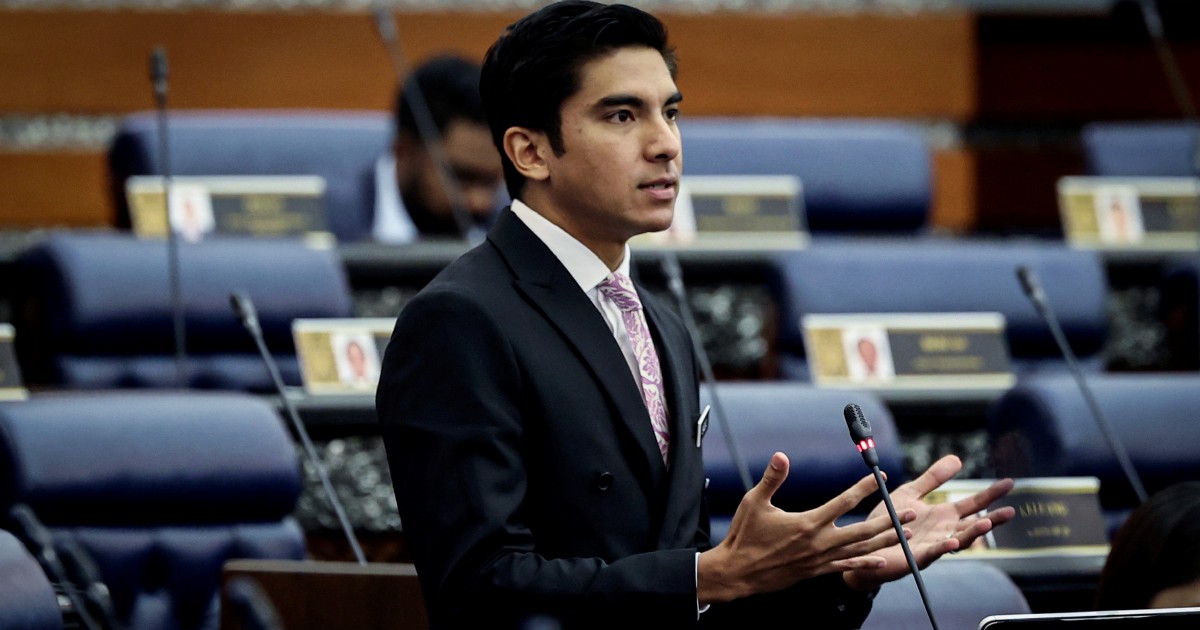
Syed Saddiq Syed Abdul Rahman, the Muda MP representing Muar, has launched a pointed criticism at opposition parties for their decision to absent themselves from a crucial parliamentary debate on the Tabung Haji Royal Commission of Inquiry report. The boycott, according to the legislator, represents a failure to represent the interests of more than 10 million Tabung Haji depositors who have been affected by the Islamic pilgrimage fund's various controversies and financial challenges.
Tabung Haji, officially known as the Lembaga Tabung Haji, serves as Malaysia's primary vehicle for facilitating savings and investment specifically for Muslims intending to perform the Hajj pilgrimage. The institution manages deposits from millions of Malaysians who contribute regularly to ensure they can afford the significant expenses associated with performing the Islamic religious obligation. Over the years, the fund has faced scrutiny regarding its management, investment decisions, and financial transparency, prompting the establishment of a royal commission to investigate the matter.
The Royal Commission of Inquiry was tasked with examining the governance, management practices, and operational decisions within Tabung Haji, potentially uncovering systemic issues or mismanagement that may have affected depositors' interests. The report emerging from this investigation holds considerable significance for those whose savings are held within the institution, as it could provide clarity on how their funds have been managed and what reforms might be necessary going forward.
Syed Saddiq's assertion that the opposition's absence during the parliamentary debate constitutes a betrayal of depositor interests underscores a broader tension in Malaysian politics regarding the scrutiny of major institutions. Parliamentary debates on such matters are traditionally viewed as opportunities for elected representatives to voice concerns, seek accountability, and contribute to public discourse on issues affecting substantial portions of the population.
The decision by opposition MPs to boycott the proceedings raises questions about their strategic priorities and approach to parliamentary engagement. While boycotts are occasionally employed as protest mechanisms against perceived injustices or undemocratic procedures, critics argue that such tactics can inadvertently harm the very constituencies the opposition claims to represent. In this instance, the affected community—millions of Hajj savers—arguably needed vigorous parliamentary advocacy regardless of the broader political context.
Tabung Haji depositors represent a cross-section of Malaysian society, spanning various income levels and occupations, united by their religious obligation and aspiration to perform the Hajj. Many contributors view their deposits as sacred savings set aside for a fundamental religious duty rather than conventional financial investments. Consequently, any mismanagement or governance failures within the institution carry both material and spiritual significance for these individuals.
The criticisms directed at Tabung Haji management have included concerns about investment performance relative to market benchmarks, questions surrounding executive remuneration, and allegations of inadequate transparency in fund deployment. The Royal Commission investigation was intended to provide definitive answers regarding the extent and nature of any irregularities. A parliamentary debate on the resulting report would typically serve as the mechanism through which legislators interrogate findings and discuss corrective measures.
The opposition's boycott strategy may reflect their assessment of broader parliamentary dynamics or their objections to specific procedural aspects of how the debate was being conducted. However, Syed Saddiq's criticism highlights a legitimate tension: regardless of opposition parties' grievances with the government or their preferred tactics, the depositors themselves remain direct stakeholders requiring robust parliamentary attention to their concerns.
Muar, the constituency represented by Syed Saddiq, is predominantly Muslim and likely contains significant numbers of Tabung Haji contributors. His intervention in this debate carries particular weight given his direct accountability to voters with tangible interests in the institution's governance and future direction. His criticism also reflects Muda's positioning as a centrist political force that occasionally criticises both government and opposition based on specific policy positions rather than purely partisan considerations.
The broader implications of this controversy extend to questions about parliamentary effectiveness and the responsibility of elected representatives across party lines to prioritise public interests over tactical political positioning. When institutions affecting millions of citizens come under investigation and scrutiny, the expectation among many voters is that parliament will function as an effective check on power and guardian of accountability, irrespective of partisan divides.
Moving forward, the debate's absence from opposition participation means that only government-supporting legislators substantially shaped the parliamentary record on this significant matter. This creates a documentation gap regarding potential alternative perspectives on the RCI report's findings and recommendations, leaving affected depositors without a comprehensive parliamentary record reflecting diverse viewpoints on how their institution should be reformed.
The incident underscores ongoing challenges within Malaysian politics regarding how opposition parties balance protest tactics with substantive advocacy for their constituents' material welfare. For the millions of Tabung Haji depositors awaiting clarity on institutional governance and the protection of their savings, parliamentary debates on the RCI report represent concrete opportunities for their concerns to be formally articulated and addressed, making the stakes of such political decisions considerably higher than routine procedural matters.

