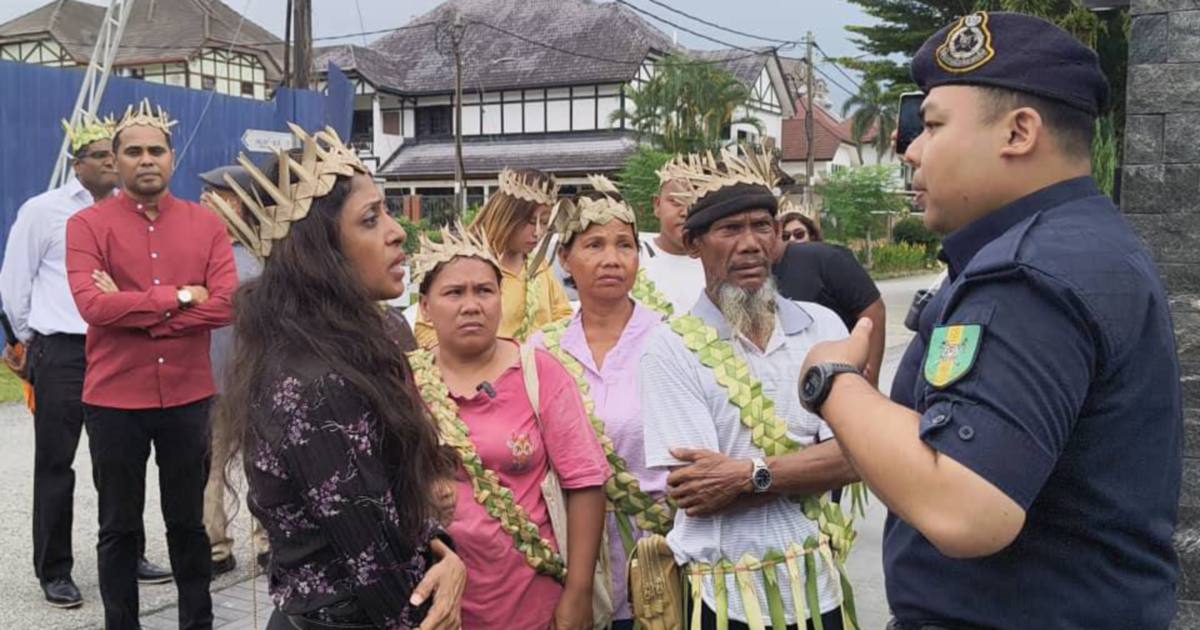
Residents of Kampung Sungai Cot in Maran are holding onto fresh hopes of finally breaking through a generational impasse over their ancestral lands. During a recent engagement in Kajang, Prime Minister Datuk Seri Anwar Ibrahim committed to bringing the community's grievance directly to Pahang's attention, signalling a shift in momentum after years of unsuccessful attempts to secure recognition and restitution.
The plight of Kampung Sungai Cot exemplifies a broader crisis facing Malaysia's Orang Asli communities, whose claims to traditional territories have historically been sidelined by state-level development policies and bureaucratic inertia. For decades, families in this settlement have documented their presence on the disputed land, yet systemic barriers have prevented formal acknowledgement of their customary rights. The absence of centralised coordination between federal and state authorities has compounded their difficulties, leaving indigenous groups to navigate a fragmented governance structure with limited resources and legal recourse.
Anwar's personal intervention represents a departure from the hands-off approach that has characterised federal handling of such disputes. By pledging direct engagement with the Pahang government, the Prime Minister has elevated the matter beyond the routine channels where similar cases often stall. This move acknowledges both the legitimacy of the community's grievances and the urgency with which such long-standing issues demand political attention. For Orang Asli advocacy networks and rights organisations across Southeast Asia, the signal carries weight: Malaysia's top executive is prepared to prioritise indigenous land rights in his diplomatic dealings with state counterparts.
The specifics of Kampung Sungai Cot's situation reflect challenges endemic to Malaysian federalism. While the Federal Constitution recognises the Orang Asli's special position, substantive protection of their lands falls primarily to state governments. Pahang, like most states, has historically prioritised commercial development and resource extraction over indigenous land claims. This structural tension has left communities caught between federal acknowledgement of their status and state-level policies that effectively marginalise their territorial interests. Resolving the dispute will require genuine cooperation across levels of governance, a feat that has eluded many previous attempts.
For the residents themselves, the psychological weight of Anwar's assurance cannot be overstated. Prolonged uncertainty about land tenure undermines not only economic stability but also cultural continuity. Indigenous communities' relationship to ancestral lands encompasses spiritual significance, subsistence practices, and identity formation in ways that transcend conventional property frameworks. Each year of unresolved claims erodes the community's capacity to plan for the future, invest in infrastructure, and transmit traditional knowledge to younger generations. A breakthrough would signal that such intangible dimensions of indigenous rights are finally receiving institutional recognition.
The path from pledge to resolution remains uncertain, however. Malaysian governments have a mixed track record in translating high-level commitments into concrete outcomes for Orang Asli communities. Political will at the federal level, while necessary, does not automatically translate into state-level cooperation or legislative action. Pahang would need to be persuaded that acknowledging Kampung Sungai Cot's claims serves its broader interests—a conversation that will likely involve complex negotiations over land use, compensation mechanisms, and future governance arrangements. The Prime Minister's intervention may open doors, but sustained pressure and strategic follow-through will determine whether those doors lead to genuine resolution.
The case also intersects with Malaysia's international standing on indigenous rights. As a signatory to various protocols recognising indigenous peoples' land rights, Malaysia has committed to standards that demand more robust protections than currently exist in practice. Resolving disputes like Kampung Sungai Cot's would demonstrate governmental sincerity in honouring those commitments and improving the country's human rights record. This dimension may amplify the political cost of inaction, potentially incentivising faster progress than similar cases have achieved in the past.
Regional observers will be watching closely. Southeast Asia contains multiple indigenous populations facing comparable land pressures, and Malaysia's handling of Kampung Sungai Cot may influence how other governments approach such disputes. A successful resolution could establish a template for federal-state cooperation on indigenous rights, potentially benefiting hundreds of Orang Asli communities throughout the peninsula. Conversely, failure would reinforce the perception that institutional barriers remain insurmountable, dampening hopes for systemic reform.
The residents of Kampung Sungai Cot have endured decades of frustration and uncertainty. Anwar's commitment offers a tangible sign that their voices have reached the highest echelons of power and that federal leadership is willing to act as an advocate. Yet optimism must be tempered by realism: promises require implementation, and implementation demands political capital, legal clarity, and sustained commitment from multiple stakeholders. The coming months will reveal whether this moment represents a turning point or merely another cycle of raised expectations followed by disappointment. For now, the community waits—hopeful, but cautiously so.

