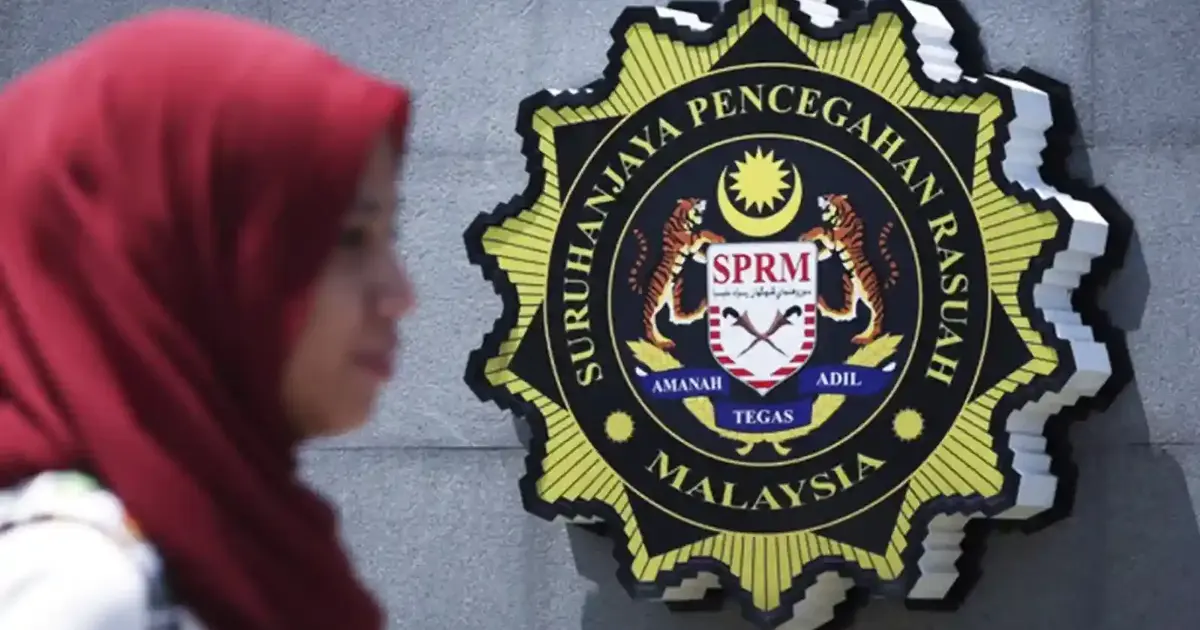
The Malaysian Anti-Corruption Commission has signalled a major crackdown on systematic fraud targeting the Social Security Organisation (Perkeso), with more than 100 suspects expected to face criminal charges as investigations intensify across the country. The disclosure underscores growing concerns about organised schemes to misappropriate social security benefits through false and fabricated claims, a problem that threatens the financial integrity of Malaysia's welfare system and erodes public trust in government-funded safety nets.
As of the announcement date, 29 individuals have already been formally charged in connection with the investigation, with proceedings initiated across several states. The staggered approach to prosecution suggests that the MACC has been methodically building cases, gathering evidence, and coordinating with state-level authorities to ensure watertight charges. This measured pace reflects the complexity of tracing fraudulent claim chains and identifying all parties involved in what appears to be a sophisticated web of deception.
The investigation reveals the vulnerability of administrative systems to coordinated abuse. Perkeso, which provides invaluable income protection and medical benefits to Malaysian workers, operates on trust-based mechanisms that criminal networks have allegedly exploited. False claims may involve fictitious workers, inflated injury reports, or fake documentation designed to extract payments from the organisation's coffers. Such schemes ultimately shift financial burden onto legitimate contributors and force genuine beneficiaries to endure stricter eligibility verification procedures.
For Malaysian workers and employers, this investigation carries immediate practical implications. Enhanced scrutiny at Perkeso may slow claim processing times as administrators implement tighter verification protocols to prevent future fraud. The fallout extends beyond individual cases—once trust in a system erodes, recovering public confidence requires sustained transparency and visible enforcement actions, making MACC's public confirmation of charges strategically important for demonstrating institutional accountability.
The geographical spread of charges across multiple states indicates that the problem is not isolated to one region but embedded within Malaysia's social security landscape at a systemic level. This distribution pattern suggests either coordinated criminal networks operating across state lines or independent cells discovering similar vulnerabilities and exploiting them simultaneously. Either scenario demands sophisticated investigative capacity and inter-agency collaboration that MACC has clearly mobilised.
The broader context matters here. Malaysia's Perkeso system, established to protect workers during periods of inability to work due to injury or illness, operates on annual contributions from employers and employees. Fraudulent claims directly diminish resources available for legitimate beneficiaries and can destabilise the actuarial assumptions underlying contribution rates. If fraud has reached the scale suggested by more than 100 pending charges, it raises uncomfortable questions about whether current administrative safeguards are fit for purpose.
The legal pathway from investigation to conviction in fraud cases typically involves proving intent to deceive, submission of false documentation, and knowledge of ineligibility—elements that investigators must establish through documentary evidence, witness statements, and financial trails. The fact that charges have already been filed for 29 suspects suggests MACC has overcome initial evidentiary hurdles and believes it possesses sufficient grounds to proceed with prosecution, a threshold that implies substantive proof of wrongdoing rather than mere suspicion.
For the broader Southeast Asian context, Malaysia's willingness to prosecute Perkeso fraud aggressively positions the country as serious about tackling welfare-system abuse. Comparable social security systems across the region face similar vulnerabilities, and MACC's visible enforcement could incentivise regional peers to strengthen their own oversight mechanisms. This enforcement action also signals to criminal networks that operating schemes targeting social security remain high-risk endeavours with significant legal consequences.
The involvement of MACC rather than routine law enforcement agencies underscores the seriousness with which authorities treat the matter. The Commission's focus on corruption and misconduct suggests that the investigation may extend beyond simple fraud to encompass allegations of complicity by government officials, Perkeso administrators, or intermediaries who may have facilitated claims processing in exchange for bribes or other inducements. Such corruption layers compound the damage and necessitate institutional reforms beyond prosecuting individual fraudsters.
Moving forward, the MACC's commitment to charge over 100 suspects will serve as a important test case for Malaysia's capacity to pursue large-scale white-collar crime through the courts. Media attention to ongoing prosecutions will likely deter opportunistic fraud attempts while signalling that the Perkeso system, despite past vulnerabilities, remains under active protective oversight. The challenge for authorities lies in completing investigations and securing convictions while simultaneously implementing preventive measures to close exploited administrative gaps and restore worker and employer confidence in the system's integrity and security.

