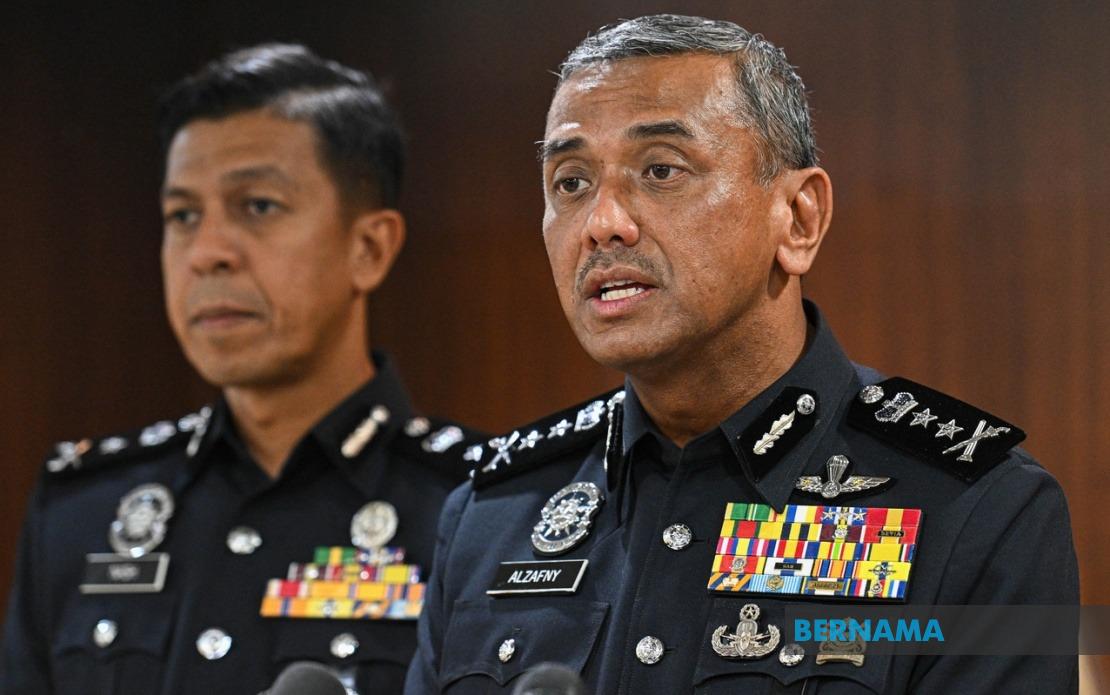
Negeri Sembilan's security apparatus is gearing up for a significant early voting exercise ahead of the state election, with over 22,000 officers and military personnel scheduled to cast their votes on July 28. The figure encompasses 5,455 Royal Malaysia Police (PDRM) members and their families, while the remaining 16,884 comprise Malaysian Armed Forces (ATM) personnel and their spouses eligible for early voting, according to Negeri Sembilan police chief Datuk Alzafny Ahmad.
The scale of this early voting participation underscores the logistical challenges inherent in managing electoral processes involving large institutional bodies across multiple constituencies. When security and defence forces vote early, it allows these personnel to remain on standby for their regular duties without disrupting their schedules during the main polling day on August 1. This arrangement is standard practice in Malaysian elections, reflecting the need to balance democratic participation with operational readiness.
Police deployment will be carefully calibrated across the election calendar. On early voting day itself, 1,796 PDRM officers will be positioned across all designated zones to maintain order and facilitate the voting process. This deployment represents approximately 33 percent of the total PDRM personnel voting early, suggesting that security preparations will be neither negligible nor overwhelming.
The broader security picture extends across the entire electoral timeline. When nomination day arrives this Saturday, 2,393 personnel will be on duty to monitor proceedings and ensure compliance with electoral regulations. During the campaign period stretching between nomination and polling day, 1,685 officers will maintain a presence, while the largest deployment of 4,788 personnel will be mobilised on August 1 itself, when all voters exercise their franchise.
Beyond sheer numbers, Datuk Alzafny has articulated clear expectations regarding conduct and comportment. Political parties contesting the 16th Negeri Sembilan state election have been reminded that their supporters must remain disciplined and measured throughout the campaign period. The police chief explicitly flagged concerns about unauthorised processions, disinformation campaigns, inflammatory rhetoric targeting sensitive issues, and material that could inflame social divisions. These warnings reflect long-standing concerns about electoral integrity in Malaysian democracy, where communal sensitivities around race, religion, and the monarchy remain potent.
The emphasis on religious, racial, and institutional sensitivities is particularly noteworthy given Malaysia's plural society and constitutional protections for Islam and the Malay-Muslim community. Police have specifically prohibited political messaging that touches on these "3R" areas—religion, race, and the Royal Institution—whether delivered through speeches, campaign materials, media statements, or social media. This boundary is intended to ring-fence the electoral process from broader identity politics that could undermine public cohesion.
Falsity and rumour-mongering present acute challenges in contemporary elections, especially as digital platforms enable rapid dissemination of unverified claims. The directive against spreading false information and slanderous content reflects recognition that electoral competition, when unmoored from factual grounding, can erode public trust in democratic institutions themselves. By flagging these concerns preemptively, authorities are signalling that they will scrutinise campaign conduct seriously.
Equally significant is the police chief's reminder that candidates, supporters, and citizens must accept election outcomes gracefully once official results are declared. This message targets a critical vulnerability in democratic systems: the transition of power and the acceptance of defeat. The admonition that legitimate grievances must be channelled through proper legal mechanisms, rather than through protest or confrontation that risks public order, underscores the authorities' determination to protect institutional stability.
For Malaysian and Southeast Asian observers, the Negeri Sembilan election carries implications beyond a single state contest. Negeri Sembilan's political composition, demographic profile, and geographic position within Peninsular Malaysia make it a bellwether for broader national trends. The state's electorate comprises both urban and rural voters, while its proximity to the Klang Valley and Kuala Lumpur means it intersects with national political currents. How this election unfolds—the turnout rates, the competitiveness of contests, and the tenor of campaigning—will offer signals about the state of Malaysian democracy and voter sentiment ahead of potential national-level contests.
The elaborate coordination of police and military personnel in the electoral process also illustrates the institutional depth required to administer elections in a country with Malaysia's geographic spread and institutional complexity. The security forces are not merely bystanders but active facilitators, tasked with safeguarding the process, preventing disorder, and ensuring that voters can exercise their franchise without fear or coercion.
Election Commission procedures set nomination day for Saturday, with early voting concentrated on July 28 and final polling on August 1. This compressed timeline—from nomination to final vote in less than two weeks—places time pressure on campaign activity and requires security agencies to pivot quickly between different operational modes.
As Negeri Sembilan heads toward this electoral milestone, the success of the exercise will ultimately depend not only on police and military professionalism but also on the maturity and restraint demonstrated by political competitors and voters themselves. The 22,000-strong security personnel deployment represents capacity; the challenge lies in whether all participants—candidates, supporters, and citizens—will honour the implicit social contract that elections embody.

