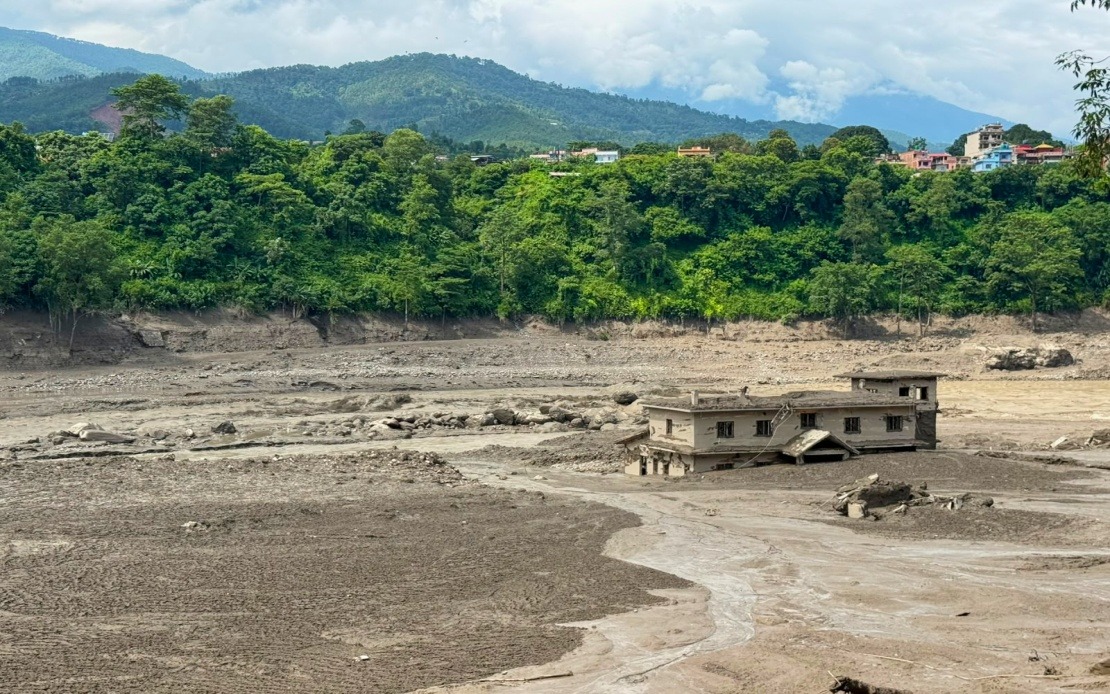
A humanitarian crisis has unfolded in Nepal following devastating floods that have left more than 380 tourists unaccounted for, casting a shadow over one of Asia's premier trekking and tourism destinations. The Nepal Tourism Board revealed the alarming figure on Wednesday, identifying 384 travellers from around the world who have gone missing in flood-affected areas, presenting a complex search and verification challenge for authorities navigating difficult terrain and communication disruptions.
Among the missing are 291 foreign nationals representing a truly international cross-section of travellers. The breakdown reveals the truly global nature of Nepal's tourism industry: Indian citizens comprise the largest group with over 100 unaccounted for, followed by 17 Malaysians, 12 British tourists, four South Africans, three United States citizens, plus one Australian and one Dutch visitor. An additional 111 people remain unidentified, their nationalities still to be determined as authorities consolidate information from fragmented sources across the disaster zone. The presence of significant numbers of Malaysian tourists underscores how popular Nepal remains among Southeast Asian visitors, particularly those seeking adventure tourism and cultural experiences in the Himalayas.
The verification process itself highlights the challenges that contemporary disaster response faces. The Nepal Tourism Board emphasised that the missing persons count represents preliminary data collected from tourism operators and travel companies working in the region, with information still being cross-checked and validated. This methodical approach, while necessary for accuracy, means the true scale of the crisis may take days or weeks to emerge fully. Officials are coordinating with travel agencies, experienced mountain guides, local authorities, and security agencies to piece together what happened to each missing person and determine their current status.
The inclusion of 93 Nepali nationals in the missing persons count reflects how tourism-dependent communities throughout Nepal have been affected. Local guides, porters, hospitality workers, and staff at mountain lodges form the backbone of the trekking industry, and their disappearance raises concerns about the human toll beyond foreign visitors. These Nepali workers, often from economically vulnerable backgrounds, face particular risks during natural disasters as they guide expeditions through increasingly treacherous conditions in pursuit of their livelihoods.
For Malaysian families and the tourism industry at home, the situation presents an urgent concern. With 17 nationals missing, Malaysian authorities and the foreign ministry are likely coordinating with Nepali officials and travel operators to obtain updates on those unaccounted for. The geographic and logistical challenges of searching mountainous regions during flooding create additional obstacles, as roads become impassable and communications infrastructure fails. Malaysian tour operators specialising in Nepal trekking packages will face pressure to clarify the status of their clients and provide support to affected families seeking information.
The authorities' issuance of a high alert for downstream communities signals that the flooding danger remains active rather than historical. Rivers swollen by intense rainfall continue to pose risks to villages and settlements located in low-lying areas, with the potential for further casualties and disruptions. This ongoing threat complicates rescue operations, as teams must balance the urgency of locating missing persons with the safety of their own personnel navigating unstable terrain and unpredictable water flows.
Nepal's vulnerability to monsoon flooding and landslides is well documented, yet the scale of this incident demonstrates how quickly disaster can overwhelm even established tourism infrastructure. The timing during what is typically trekking season compounds the impact, as the region would normally be populated with expeditions heading to base camps at Everest, Kilimanjaro's regional equivalent, and other major peaks. Tourist groups, often spread across multiple lodges and remote locations without reliable communication links, would have been particularly vulnerable when flooding struck suddenly.
The regional implications extend beyond immediate rescue efforts. This incident will inevitably affect tourism patterns across Nepal for months to come as both international travellers and tour operators reassess safety. Countries whose citizens are missing will likely issue travel advisories, and insurance claims will proliferate. The long-term economic impact on Nepal's tourism sector, which generates crucial foreign exchange and employment, could be substantial if confidence in the destination's safety infrastructure erodes significantly.
Southeast Asian nations like Malaysia have substantial populations engaged in adventure travel to Nepal, making such incidents personally resonant for many families and communities. The disappearance of 17 Malaysians will generate significant media attention domestically and may prompt discussions about the adequacy of pre-travel safety briefings, emergency response protocols, and travel insurance coverage for adventure tourism. Tour operators will face scrutiny regarding whether clients were adequately informed about seasonal risks and whether contingency plans were in place for extreme weather scenarios.

