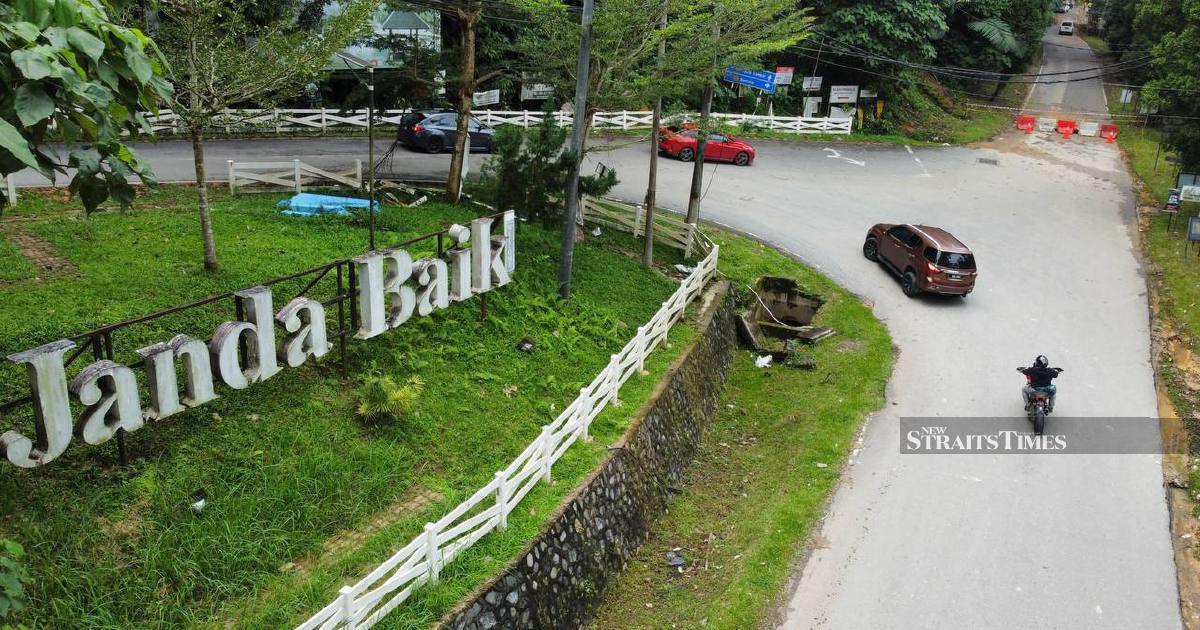
The Pahang State Health Department has initiated a formal probe into allegations that a cluster of visitors experienced sudden illnesses following recreational activities at a river location within the popular Janda Baik tourist precinct near Bentong. The investigation represents a swift response to public health concerns that emerged after the incident, which has renewed attention to food safety and water quality standards at outdoor recreation destinations in Pahang.
Janda Baik, located in the Bentong district, has long served as a favoured retreat for city-dwellers and families seeking natural attractions and riverside activities. The area's accessibility from Kuala Lumpur and reputation for scenic beauty have made it a regular destination for weekend visits and group outings. However, the reported outbreak of illness among multiple visitors has cast scrutiny on hygiene conditions and potential contamination sources affecting both food preparation and water quality at the site.
The nature of the reported illnesses—attributed to food poisoning in initial accounts—suggests that investigators are examining multiple pathways through which visitors may have become unwell. Waterborne pathogens from the river itself represent one investigative avenue, whilst contamination of food served at nearby stalls or facilities presents another. The concurrent nature of multiple cases points toward either a common food source or exposure to contaminated water, both of which fall squarely within the Health Department's remit.
Such incidents carry particular significance in Malaysia's tourism context, where riverside and nature-based attractions draw substantial domestic and international visitor numbers annually. Janda Baik's reputation as a family-friendly destination could suffer reputational damage if underlying sanitation issues prove widespread or systemic. Local authorities recognise that rapid, transparent investigation and remedial action are essential to maintaining public confidence in the venue's safety standards.
The Health Department's investigation protocol typically involves interviewing affected visitors to establish a detailed timeline of exposure, documenting symptoms and onset periods, collecting samples from suspected food sources and water sources, and examining facility conditions at food preparation areas. Environmental health officers will likely inspect waste management systems, food storage facilities, and any potentially contaminated water sources that visitors may have encountered during their visit.
Waterborne illness outbreaks, whilst less common than foodborne incidents, remain a persistent public health concern at recreational water sites throughout Southeast Asia. Exposure to bacteria such as E. coli, Vibrio species, or parasites can occur through ingestion of contaminated water during swimming or wading activities. The timing of symptom onset among visitors becomes a critical diagnostic tool for determining whether the infection source was food consumed before river exposure or water ingestion during recreational bathing.
Beyond the immediate investigation, this incident highlights the importance of maintaining robust public health surveillance systems at popular tourist destinations and recreational venues. Regular water quality testing, vendor hygiene certification, and visitor education about safe food consumption and water safety practices form the foundation of effective outbreak prevention. Many Southeast Asian countries have strengthened such measures following past waterborne illness clusters, yet consistent implementation varies considerably across different localities and facility types.
The Bentong district authorities will likely coordinate closely with the Health Department to support the investigation and implement any remedial measures identified as necessary. This may include temporary closure of specific food vendors, enhanced water quality testing protocols, or infrastructure improvements to sanitation and waste disposal systems. Such actions, whilst potentially disruptive to local businesses and tourism operations in the short term, prove essential to preventing recurrence and protecting future visitors.
Stakeholders in Pahang's tourism industry are keenly observing how authorities handle this investigation. The state's reputation for tourism facilities and outdoor attractions depends partly on demonstrated commitment to visitor safety and transparent response to health incidents. Media coverage and social media discussions surrounding the outbreak will likely influence visitor confidence in Janda Baik and similar destinations in the region over coming weeks and months.
For Malaysian travellers, incidents such as this underscore the value of practising standard personal hygiene measures when visiting unfamiliar recreational areas. Carrying hand sanitisers, avoiding drinking untreated water, ensuring food is freshly prepared and hot when consumed, and maintaining awareness of one's physical condition become especially prudent at outdoor venues with limited formal sanitation oversight. Families and organisers of group outings may also wish to verify basic hygiene standards before scheduling visits to such locations.
The investigation's findings, once concluded, will likely inform recommendations for enhanced oversight of food and water safety at Janda Baik and potentially serve as a case study for improving standards at comparable recreational areas throughout Pahang and neighbouring states. Health authorities have indicated their commitment to identifying root causes and implementing preventive measures to ensure visitor safety remains paramount.